Last updated November 23, 2026
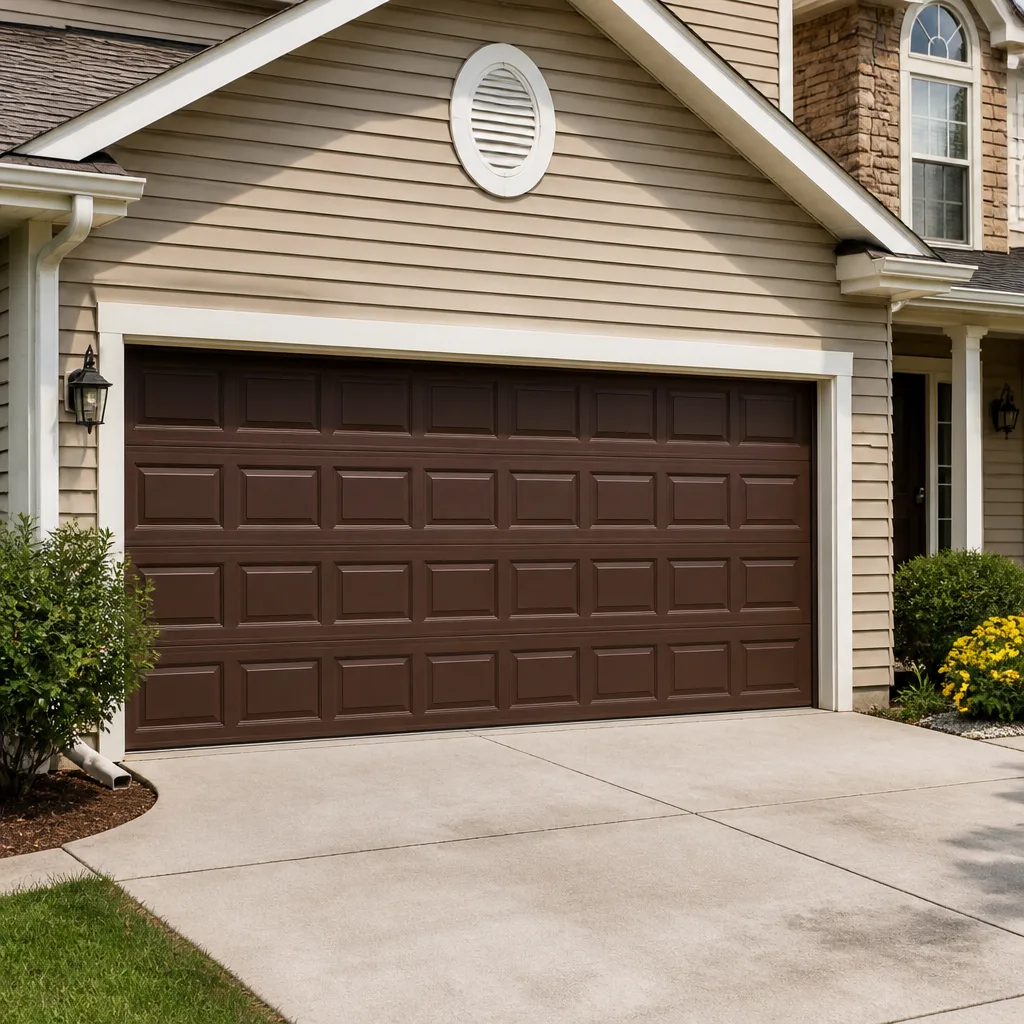 Raised-panel steel
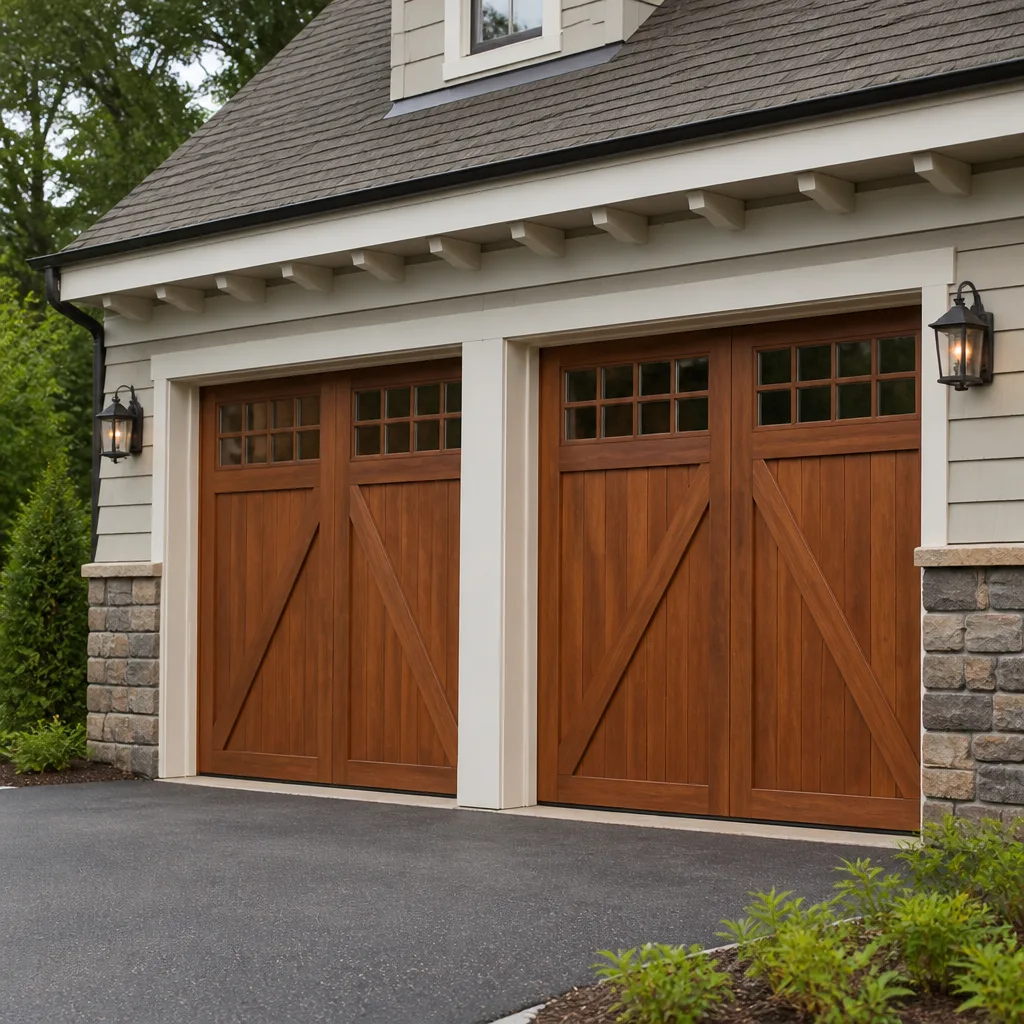 Carriage house
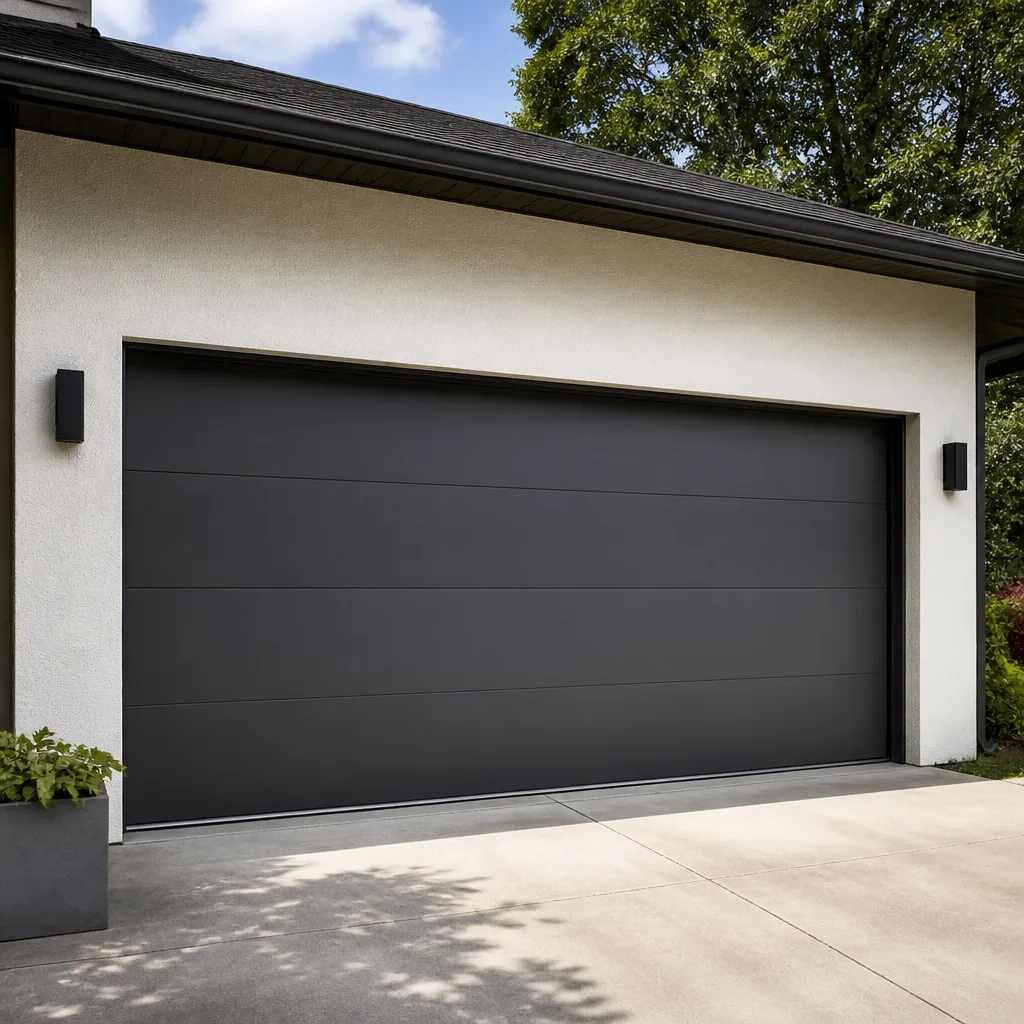 Modern flush
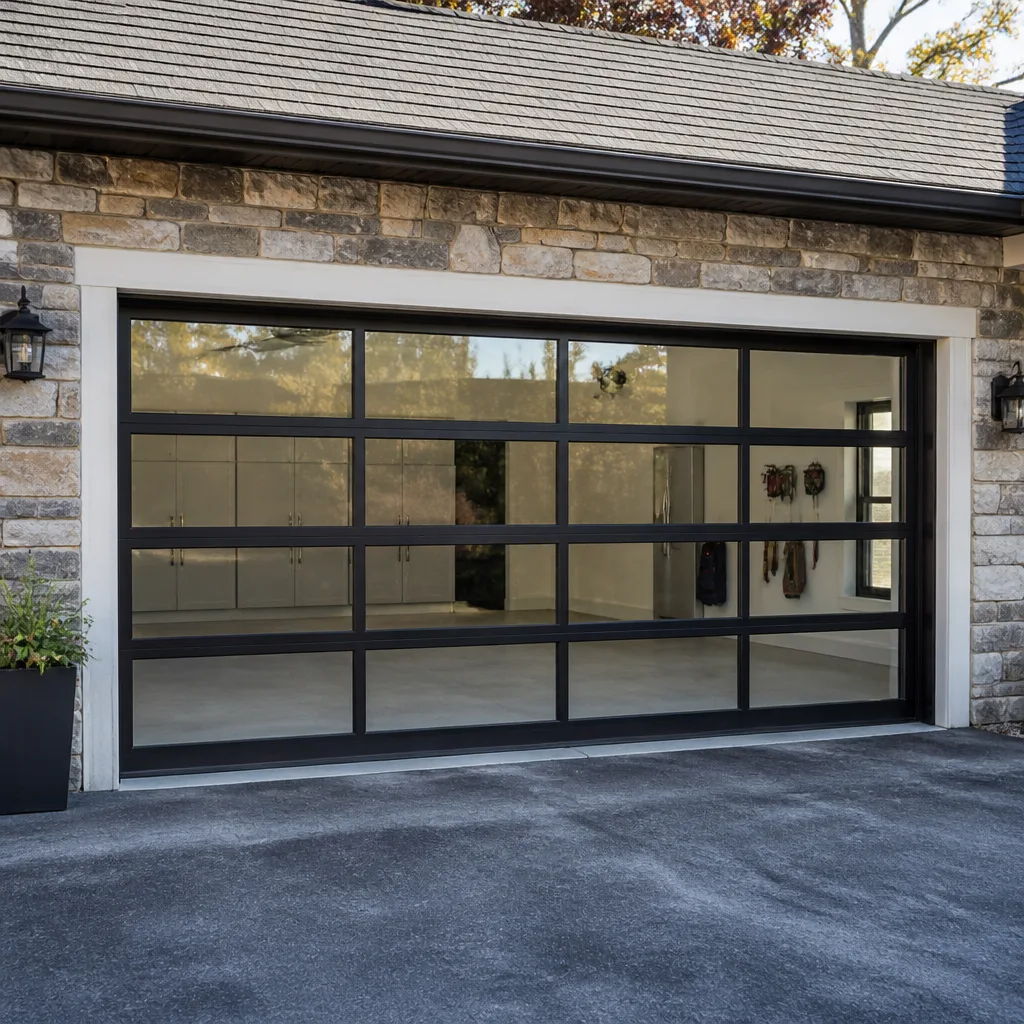 Full-view glass
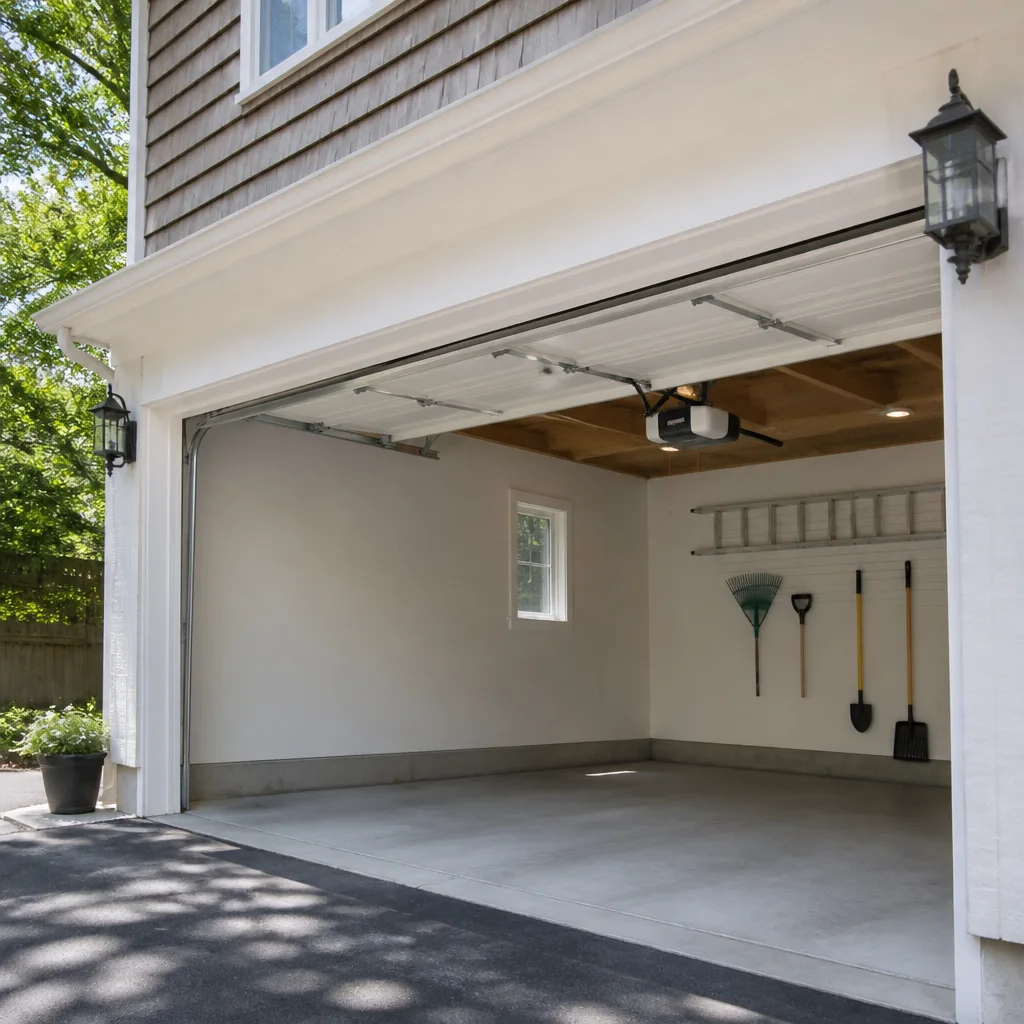 LiftMaster openers
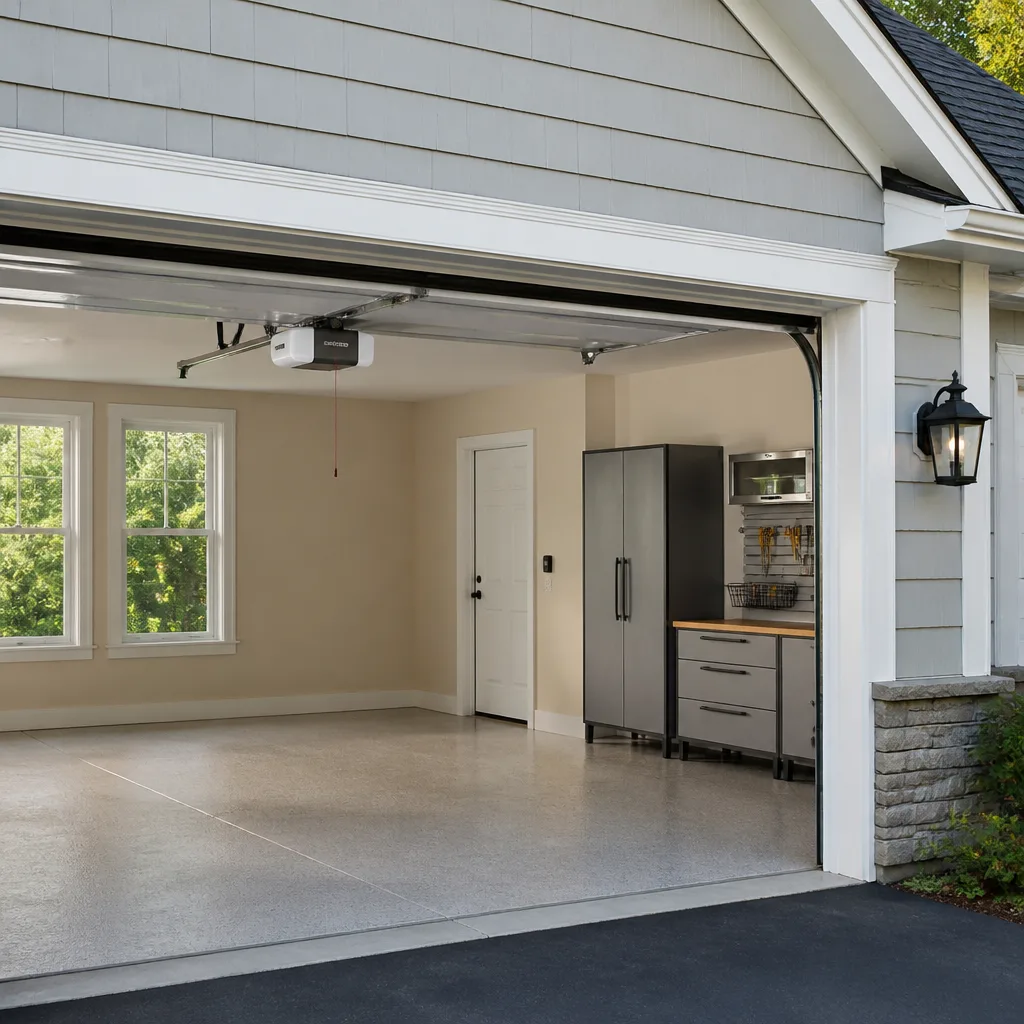 Chamberlain openers
Full 25-point door and opener safety check with every visit - springs, cables, rollers, tracks, and your LiftMaster or Chamberlain opener included
You get a price before we start. It does not change when the pro arrives.
Get your free estimateDIY vs Professional Garage Door: The Dakota Ridge Homeowner’s Decision Guide
Most homeowners who ask whether they can fix their own garage door are asking the wrong question. The real question isn’t “How handy am I?” It’s “Which component am I touching?” A torsion spring can hold roughly 100 foot-pounds of torque when it’s wound. That energy doesn’t leak away slowly. When a spring breaks or is handled wrong, it releases in a fraction of a second with enough force to break bones or worse. The rest of the door – hinges, rollers, sensors, weather seals – is a different story, and a competent homeowner can handle much of it. This guide draws that line clearly for Dakota Ridge homeowners, task by task. You’ll learn what’s genuinely safe to do yourself, what never is, what the tools really cost, and how our high-altitude foothills climate changes the math.
Styles & brands we work with
- Raised-panel steel
- Carriage house
- Modern flush
- Full-view glass
- LiftMaster openers
- Chamberlain openers
Quick Answer
In Dakota Ridge, you can safely DIY low-energy garage door jobs: lubricating hinges and rollers, aligning safety sensors, reprogramming a remote, and replacing a bottom seal. You should never DIY high-tension work – torsion or extension springs, cables, and the drums they wind around – regardless of your skill level. A garage door professional handles springs, cable replacement, track realignment, opener diagnostics, and full installation, because those jobs involve stored energy and system geometry that a mistake turns into injury or accelerated wear on the whole door.
Table of Contents
- The Line: What Separates a Safe DIY Job From a Dangerous One
- What a Homeowner Can Safely Do Themselves
- Why Spring Work Is Categorically Different From Any Other Home Repair
- The Hidden Cost of DIY Mistakes
- What Tools a DIY Garage Door Job Actually Requires
- How Dakota Ridge’s Climate and Altitude Change the Math
- What a Professional Brings Beyond Muscle
- Common Mistakes to Avoid
- When to Call a Professional
- Frequently Asked Questions
- The Bottom Line
The Line: What Separates a Safe DIY Job From a Dangerous One
Garage door systems are unusual in home repair because they combine two entirely different risk classes inside one machine. The panels, hinges, rollers, tracks, and sensors are mechanical parts that move at low speed and carry almost no stored energy. The springs and cables are what hold the whole weight of the door. That weight – as much as 200 pounds or more on a two-car door – is collected and stored in the spring system so the opener only has to nudge the door up and down.
So the dividing line isn’t difficulty. It’s stored energy. A task that involves springs or cables requires you to release, capture, or adjust that stored energy, and the tools that do that job require you to stand directly in the path of it. A task that involves a hinge or a sensor involves no stored energy at all – the worst-case outcome is a door that doesn’t close, not a hand that doesn’t work.
Here’s how we draw the line for the homeowners who call us in Dakota Ridge:
- Low-energy, DIY-appropriate: Lubrication, sensor alignment, remote and keypad programming, bottom seal replacement, visual inspection of cables and springs, cleaning photo-eye lenses.
- High-energy, professional only: Torsion spring replacement, extension spring replacement, cable replacement, drum and bracket work, track realignment after a bend, opener gear and rail diagnosis.
A door that’s been making a new noise for a week isn’t a DIY decision yet. It’s a diagnostic one. Whether you call us or another garage door specialist in Dakota Ridge, get the noise identified before you decide who should fix it. For a broader look at what a full system check involves, see our Garage Door Repair Dakota Ridge page.
What a Homeowner Can Safely Do Themselves
Quite a lot, actually. If you’re comfortable on a stepladder and you own a socket set, the following jobs are well within reach and cost nothing but an hour of your time. These tasks also happen to be the highest-value maintenance items on any door, which is why we’d rather you do them than put them off.
- Lubricate hinges, rollers, and the torsion bar bearings. A garage door lubricant – not WD-40, which is a solvent, not a lubricant – on every hinge pivot and roller stem once or twice a year quiets most doors and extends the life of the parts that wear first. Avoid the tracks themselves; they’re meant to run dry.
- Align the safety sensors. The two photo-eyes near the floor should be pointed at each other, at the same height, with an unbroken LED. Nudge them until the indicator light goes solid. If a sensor won’t stay lit, the bracket or the wiring is the problem, and that’s a call.
- Reprogram a remote or keypad. If you’ve replaced a LiftMaster or Chamberlain remote and it won’t sync, the manual has the pairing sequence and it takes about two minutes. This is the single most common “my door won’t open” call we get that a homeowner could have solved in the driveway.
- Swap the bottom seal. The rubber seal along the floor thins and cracks over time and lets in cold air and pests. A replacement seal slides into the retainer channel on most doors. This one is genuinely easy and saves real money on your heating bill in a Dakota Ridge winter.
- Test the auto-reverse. Put a two-by-four flat on the floor in the door’s path and close the door. It should reverse on contact. If it doesn’t, stop using the door until a technician adjusts the opener’s force settings.
None of these requires getting near a wound spring or a tensioned cable. That’s the point. Every task above is safe, useful, and worth doing yourself before you spend a dollar on a service call.
Why Spring Work Is Categorically Different From Any Other Home Repair
There is no other job in a typical house quite like this one. A torsion spring stores the rotational force needed to lift an entire garage door, and it stores that force continuously, all day and all night, for years. When it fails, it doesn’t sag or leak or slow down. It lets go all at once with a crack that sounds like a gunshot and enough force to send steel cable whipping across a garage.
The reason this matters for the DIY question is simple: the tool that winds a torsion spring is a winding bar, and your hands are on it. To replace a spring, a technician inserts the bars, holds the tension, loosens the set screws, and lets the spring down in controlled quarter-turns. That process is only safe if you know exactly how much tension is left and exactly where the bars need to go. Get it wrong and the bar can spin out of the spring’s cone with the full stored load behind it. This is why spring repair is a dedicated service for us, not a line item folded into general repair. It’s also why garage door spring repair is one of the five core services we offer, handled by technicians who’ve seen up to 9 years of high-tension work.
Two more things homeowners don’t always realize:
- Extension springs, common on older single-car doors, store the same energy in a stretched coil rather than a wound one. They also need a safety cable through the center, and a missing or broken cable is an immediate call.
- Springs are matched to the door’s weight. A spring that’s the wrong gauge or length for your door won’t just wear out faster – it will strain the opener, the cables, and the hinges. There’s no way to eyeball the right spring without weighing the door or consulting a size chart, and guessing is how doors get bent.
If you ever see a gap in a torsion spring, or a door that feels much heavier than usual when you lift it by hand, stop. Don’t run the opener. That spring has already failed or is about to, and running the door on a failed spring is how a $200 repair becomes a $600 one.
The Hidden Cost of DIY Mistakes
The visible cost of a DIY mistake is the part you broke. The hidden cost is the wear it puts on everything else. A garage door is a balanced system – every component shares load with every other one – and a single error in the balance sends stress to parts that weren’t designed to take it.
Here’s what an incorrect spring size or a badly reinstalled cable actually does over the following months:
- A too-strong spring makes the door feel light but forces the opener to fight the door on the way down. The opener’s gear and logic board take the load, and openers fail years early. A LiftMaster or Genie unit that dies at five years old instead of fifteen often has an oversized spring to thank.
- A too-weak spring means the opener is doing the lifting. That’s like using a screwdriver as a pry bar – it works until it doesn’t, and it strips the opener’s drive gear and burns out the motor.
- A misrouted or loose cable wears unevenly against the drum and the bracket. The cable can jump the drum, jam the door mid-travel, and bend a track section in the process.
- A bent track forces the rollers to scrape, which wears the rollers and the hinges and produces the grinding noise homeowners blame on the opener.
None of these failures announce themselves in week one. They show up six months later as a grinding noise, an opener that won’t lift, or a hinge that’s come loose from the panel. By then the original DIY savings are gone, and the bill covers the spring plus the opener plus the hinges. In our experience, the homeowners who call us for a diagnosis after a DIY attempt are usually paying for two jobs instead of one.
If a door is already older and showing multiple symptoms – a stretched spring, worn rollers, an opener that surges – the honest answer might be that repair no longer makes sense. That’s a conversation worth having on the phone before you spend anything.
What Tools a DIY Garage Door Job Actually Requires
This is where YouTube videos quietly mislead. The person in the video has a fully stocked van within arm’s reach. You have a socket set and a stepladder. The tools required for the safe DIY jobs are things most homeowners already own. The tools required for the safe jobs are not, and buying them for one job usually costs more than hiring someone who already has them.
Here’s the honest tool list, split by task:
Tools for safe DIY tasks (most homeowners have these)
- Adjustable wrench or a socket set
- Screwdrivers, flat and Phillips
- Stepladder
- Garage door lubricant spray
- A two-by-four cut to length for the auto-reverse test
- Replacement bottom seal and a utility knife
Tools for high-tension work (specialty, expensive, and only worth owning if you do this for a living)
- Two winding bars of the correct size for your spring’s cone
- C-clamps to lock the door in place on the track
- Vice grips and a proper set of spring winding instructions for your specific door
- A door weight scale, or the manufacturer’s spring sizing chart for your door’s exact tube diameter and wire gauge
- A cable puller and crimping tool for cable replacement
Add it up. The winding bars alone, plus a scale, plus the crimping tools, usually cost more than a single spring replacement call – and you still have to know how to use them correctly on the first try. That’s what people mean when they say the tool cost closes the gap with professional pricing. For a job you’ll do once, the math almost never favors buying the tools.
The other hidden tool cost is the diagnostic one. A homeowner can’t easily tell whether a door is out of balance, whether the cables are at the right tension, or whether the opener’s force settings are correct – and those are the exact things that decide whether a repair holds. That’s what an garage door opener repair visit actually includes: the opener diagnosis plus the balance check that keeps the new parts from failing.
How Dakota Ridge’s Climate and Altitude Change the Math
Dakota Ridge sits up against the foothills west of Denver, and the conditions here are tougher on garage doors than most of the Front Range. Three local realities change how a door behaves and how much of the work is genuinely DIY-appropriate.
Cold stiffens everything
In a hard Colorado cold snap, the metal tracks, hinges, and springs all contract slightly, the lubricant thickens, and the door’s balance shifts until it warms back up. A door that ran fine in October can feel heavy and sluggish in January. That heaviness is exactly when the opener is working hardest, and when a tired or slightly oversized spring does the most damage to the opener’s gear. Cold also makes the bottom seal brittle, which is why seal replacement is a fall job here, not a summer one. Lubricating in late autumn is the single best thing a Dakota Ridge homeowner can do to get through a cold snap without a service call.
Altitude affects opener sensitivity
At Dakota Ridge’s elevation, the air is thinner, and that matters for opener force settings and for how the safety reverse performs. The opener’s down-force and travel limits were likely set at a lower altitude or in a warmer season, and the auto-reverse that passed in July may not pass in February. It’s worth re-testing the reverse every season, and worth having the opener’s force settings checked by a technician if the door has ever failed the test or if you’ve replaced the opener yourself. An out-of-adjustment force setting is the difference between a door that reverses on a child’s toy and one that doesn’t.
Dust and grit get into the tracks
The dry foothills air and the grit that comes with it work their way into the tracks and the roller stems. This is why Dakota Ridge doors tend to develop roller squeak earlier than doors in wetter climates, and why lubrication matters more here than the manual suggests. A dry track isn’t a problem – a track full of grit and old grease is. Wipe the tracks down with a rag once a year, and keep the grease off them entirely.
Local conditions also mean a door that works fine for a homeowner in a milder climate can be a poor candidate for DIY spring replacement here. Garage door repair in Dakota Ridge is a different job than it is in a place where the door doesn’t freeze and thaw a couple of times a month in spring. The door has been through more thermal cycles, the springs have taken more load changes, and the tolerances on the balance are tighter. Those are reasons to have a professional look, not reasons to avoid the phone.
What a Professional Brings Beyond Muscle
The knee-jerk assumption is that you hire a garage door professional because the job is heavy. Heavy isn’t the reason. The reason is that a good technician diagnoses the door as a system – and a door is a system of seven or eight interacting components that all affect each other’s lifespan.
Here’s what a professional visit actually covers, beyond the visible repair:
- A brand-specific diagnosis. LiftMaster, Chamberlain, Genie, Clopay, Amarr, Wayne Dalton, Craftsman, and Raynor each have their own opener logic, rail designs, and spring configurations. A technician who works on all eight doesn’t guess at a symptom – they check the specific system in front of them. That matters most on openers, where a symptom like “door reverses halfway up” means something different on a belt-drive Chamberlain than on a chain-drive Craftsman.
- A balance check. Before the repair is done, the door should be weight-tested at the midpoint to confirm the springs are carrying the door correctly. If they’re not, the repair doesn’t hold.
- A safety inspection. Cables, drums, hinges, brackets, and the reverse system all get checked, because the reason the spring failed often has a second cause – a bent track, a worn roller, a loose bracket – that would fail next.
- Correct parts. A spring sized to your door’s actual weight, a cable rated for the load, a roller designed for your track. Parts bought off a shelf without matching the door are the hidden cost of DIY in physical form.
If the door is old enough that the springs, cables, and rollers are all at the end of their life, the honest recommendation may be replacement rather than repair. That’s not a sales pitch; it’s a decision about whether you’ll spend this money again in a year. We’ll tell you either way, and the written estimate spells out what’s included before anything is ordered.
Common Mistakes to Avoid
- Winding a torsion spring without locking the door. The door must be clamped to the track with C-clamps and fully closed before the set screws are loosened. A door that drops while your hands are on a winding bar is a serious injury waiting to happen.
- Buying a spring by eyeballing the old one. Springs are sized by wire gauge, inside diameter, and length, and a door needs a specific one. Ordering a spring that “looks close” is how an opener burns out six months later.
- Greasing the tracks. This is the most common DIY mistake we see in Dakota Ridge. The tracks are designed to run dry – grease collects grit, the rollers skate, and the door slams. Lubricate the rollers and hinges, never the track surface.
- Replacing one spring of a matched pair. If your door has two springs and one broke, the other has taken the same number of cycles and is close behind. Replacing one is a short-term fix that guarantees a second call within a year.
- Running the door after it fails the auto-reverse test. The reverse is the door’s only built-in safety feature. If it doesn’t reverse on a two-by-four on the floor, don’t use the door until the opener is adjusted.
- Reusing cables after a spring replacement. Cables stretch and fray over their life, and a new spring on an old cable puts the spring’s new tension on a cable that’s already near its limit. Replace them together.
- Underestimating the temperature cycle. In Dakota Ridge, the freeze-thaw cycle puts real stress on the seal, the brackets, and the balance. A repair done in October should be re-tested in January. It’s not a defect – it’s the climate.
When to Call a Professional
If any of the following is true, the job is a professional call, not a DIY decision: a broken or gap-in torsion spring, a snapped extension spring or missing safety cable, a door that’s come off its track or hangs crooked, a door that won’t open at all, a cable that’s frayed, snapped, or off its drum, a door that fails the auto-reverse test, an opener that runs but the door doesn’t move, or a door that’s simply older than the parts inside it. Any of those is a diagnosis, and often a safety issue, not a task.
Garage Door Repair Dakota Ridge offers free estimates in Dakota Ridge – call (855) 337-2081. The price is quoted and agreed before any work starts, and the written estimate spells out exactly what will be done. Whether it’s a LiftMaster opener that’s stopped responding or a Wayne Dalton door that needs a fresh spring, our technicians have seen the failure mode before and can tell you on the phone whether it’s a same-day fix or a scheduled install. For doors that fail outside the usual day – early mornings or Sundays – we offer emergency garage door service, so a broken door doesn’t stay broken until the week resets.
Frequently Asked Questions
No. Torsion and extension spring replacement is not a skill-level question. Both involve releasing stored energy, and the release happens faster than a person can react. That’s why we handle it as a dedicated service with technicians who’ve worked on high-tension systems and follow a specific lock-out procedure every time. Call (855) 337-2081 and we’ll tell you whether the door needs a full spring replacement or just a balance adjustment.
Lubricating hinges and rollers, aligning the safety sensors, programming a remote or keypad, replacing the bottom seal, and testing the auto-reverse are all safe DIY tasks. None of them involve the springs or cables. If you’re not sure whether your task falls into that group, describe it on the phone and we’ll tell you honestly whether it’s a call or a Saturday project.
Lift the door about a foot or two by hand while it’s disconnected from the opener. If it feels very heavy and won’t stay up, the spring is the problem. If it lifts easily and stays, but the opener still won’t run it, the opener is the problem. Don’t test a door you suspect has a broken spring – call (855) 337-2081 and describe what you’re seeing.
Spring replacement is priced per spring, and a matched pair costs roughly twice a single spring, so the exact number depends on your door’s configuration. We give a written estimate before any work starts, so the number you agree to is the number on the invoice. Call (855) 337-2081 for a free estimate – the price is quoted and agreed before we lift a tool.
Cold stiffens the lubricant, contracts the metal, and makes the bottom seal brittle, so the door’s balance and the opener’s force settings both shift. That’s why the auto-reverse can pass in summer and fail in February. Test the reverse every season, and if your door has ever failed the test, call (855) 337-2081 to have the opener’s force settings checked.
No. The written estimate is the price. If we find an additional issue while doing the repair – a frayed cable or a bent track – we stop, show you, and quote the extra before continuing. Nothing gets done without your approval. Call (855) 337-2081 for a free estimate on your Dakota Ridge door.
The Bottom Line
The DIY question on a garage door comes down to one thing: stored energy. Lubrication, sensor alignment, remote programming, and bottom seal work are safe, useful, and worth doing yourself – they cost almost nothing and extend the life of the door. Spring work, cable work, and balance adjustments are not a skill test; they’re a physics problem, and the wrong answer hurts. In Dakota Ridge, the cold, the altitude, and the freeze-thaw cycle make the balance math tighter than in most places, which is a reason to have a specialist check your door, not a reason to avoid one. If you’re not sure which side of the line your problem sits on, that’s exactly the call worth making.
Call (855) 337-2081 for a free estimate today. Whether it’s a single broken spring or a full door replacement, we diagnose the door correctly the first time, with technicians experienced on the eight major brands and a written price agreed before any work starts.
Written by the team at Garage Door Repair Dakota Ridge.
See the difference
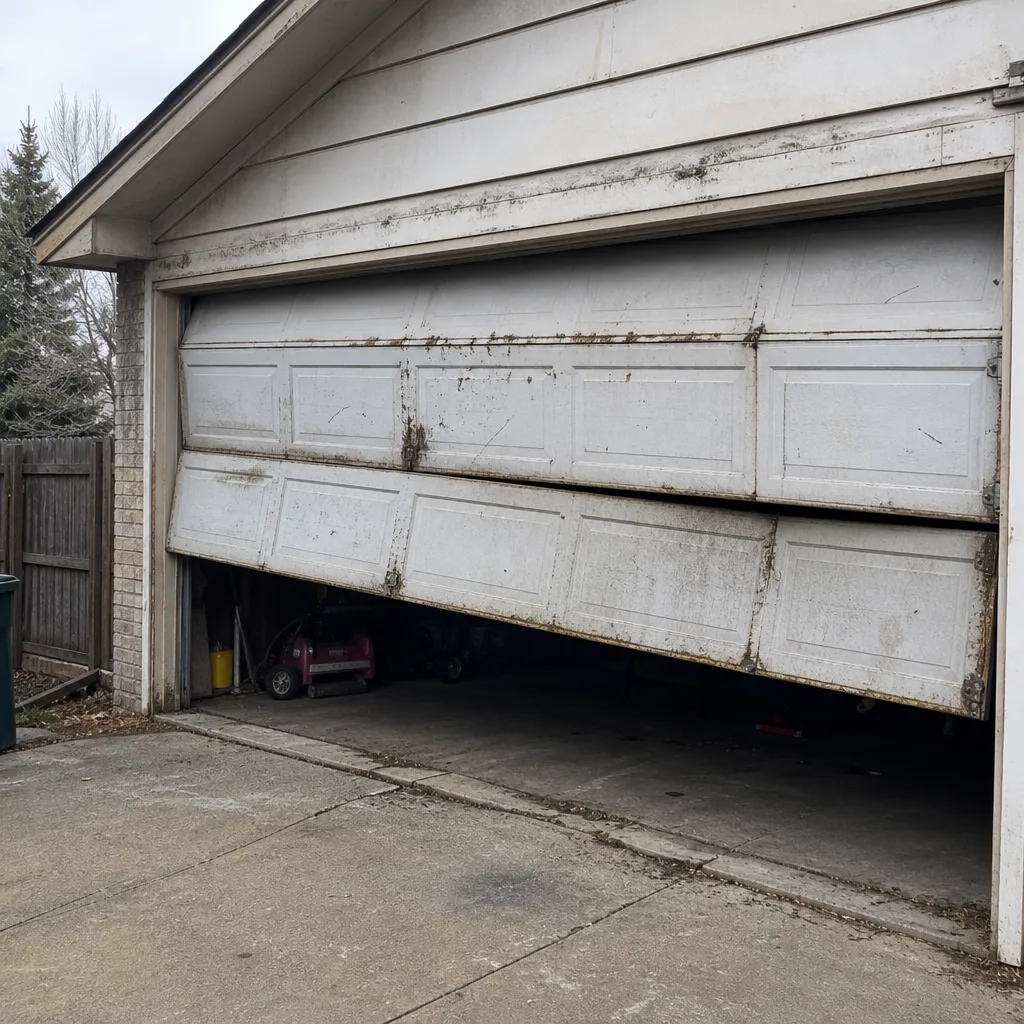 Before
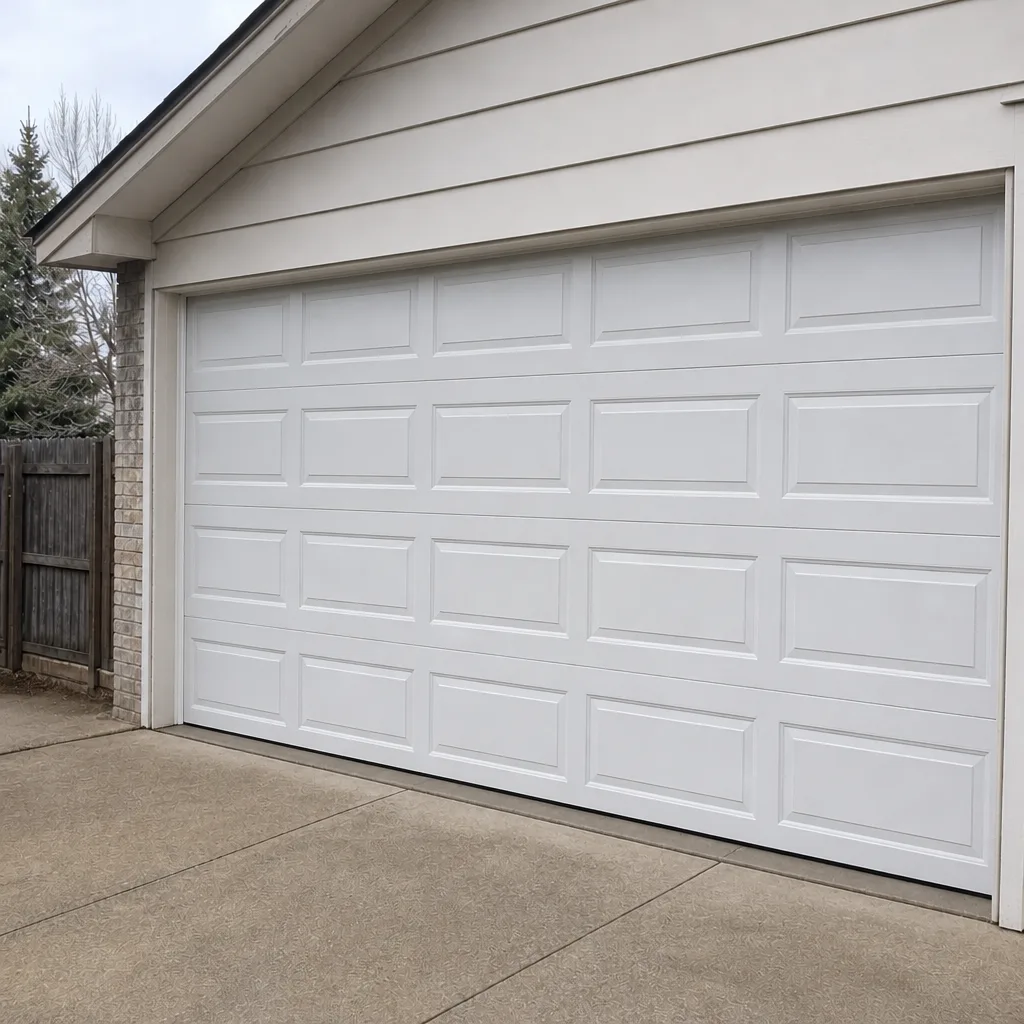 After
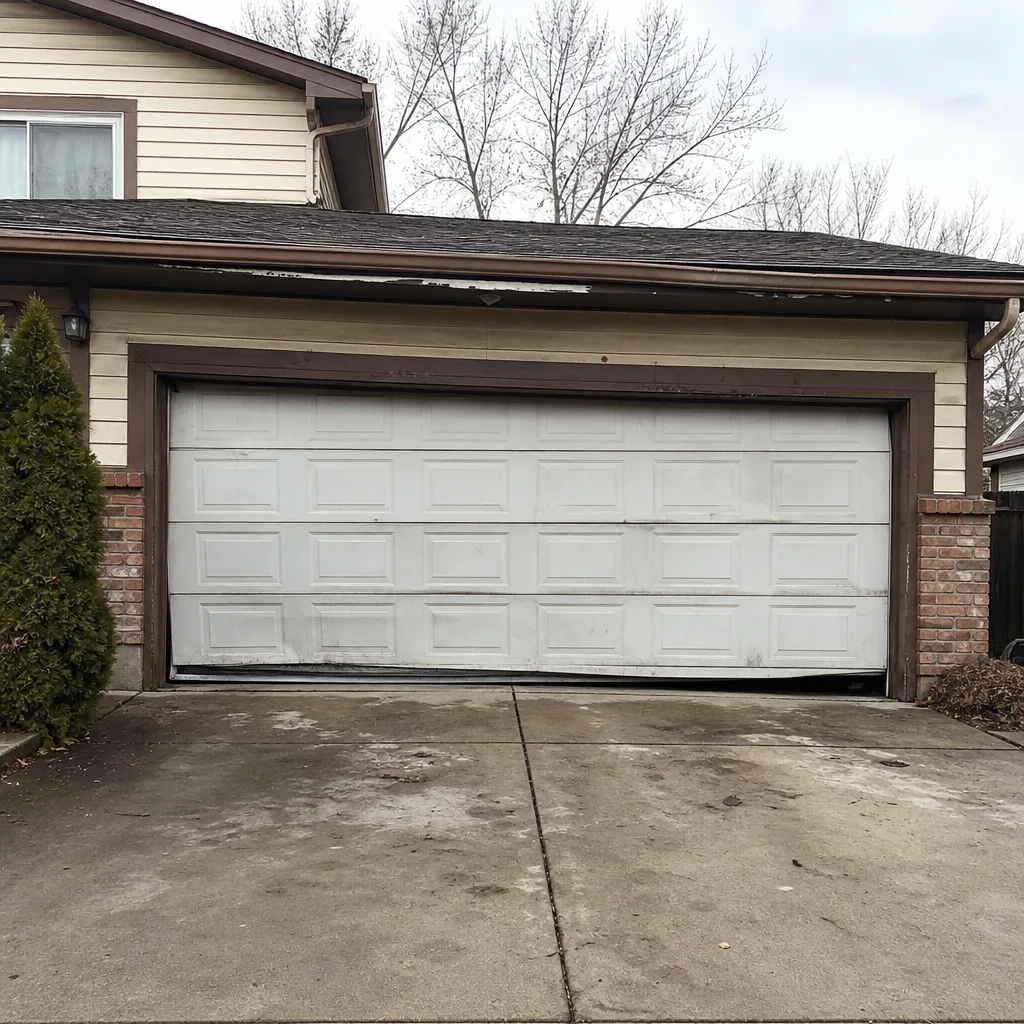 Before
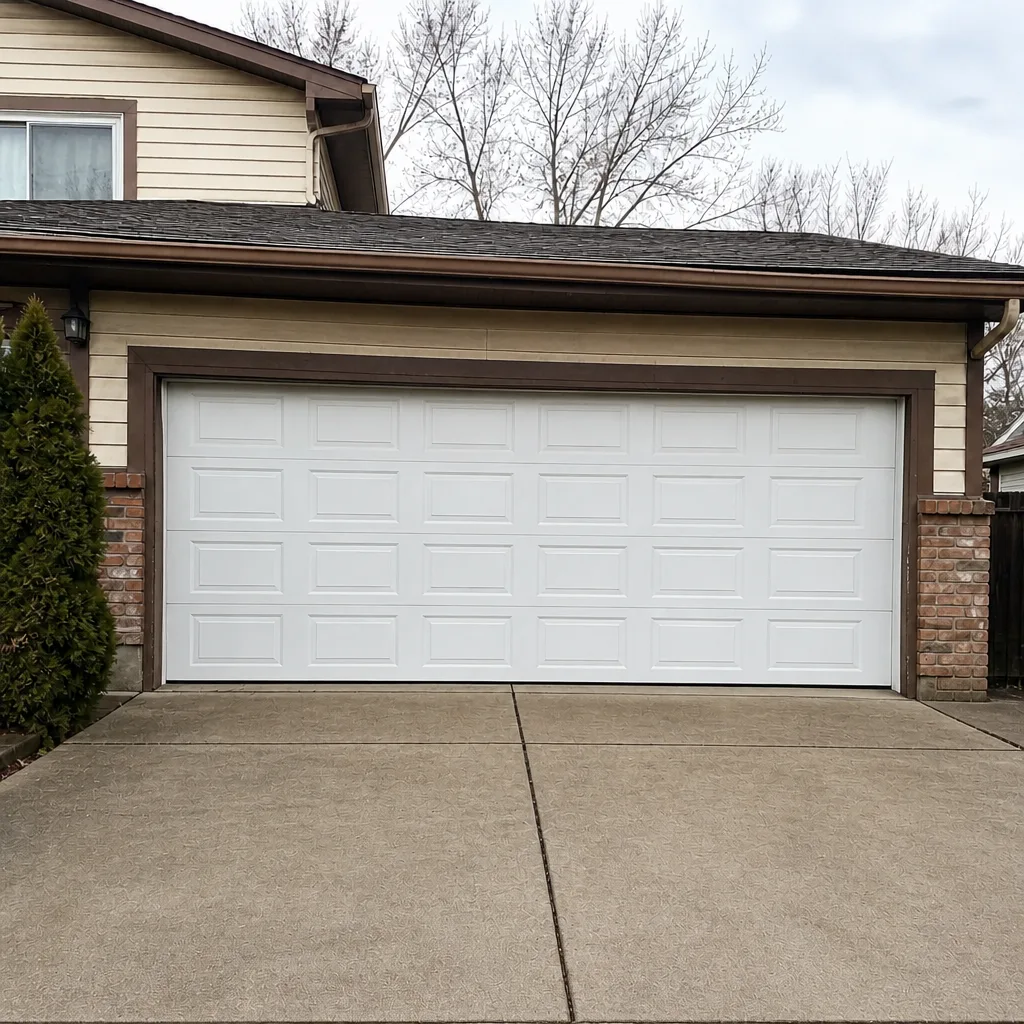 After
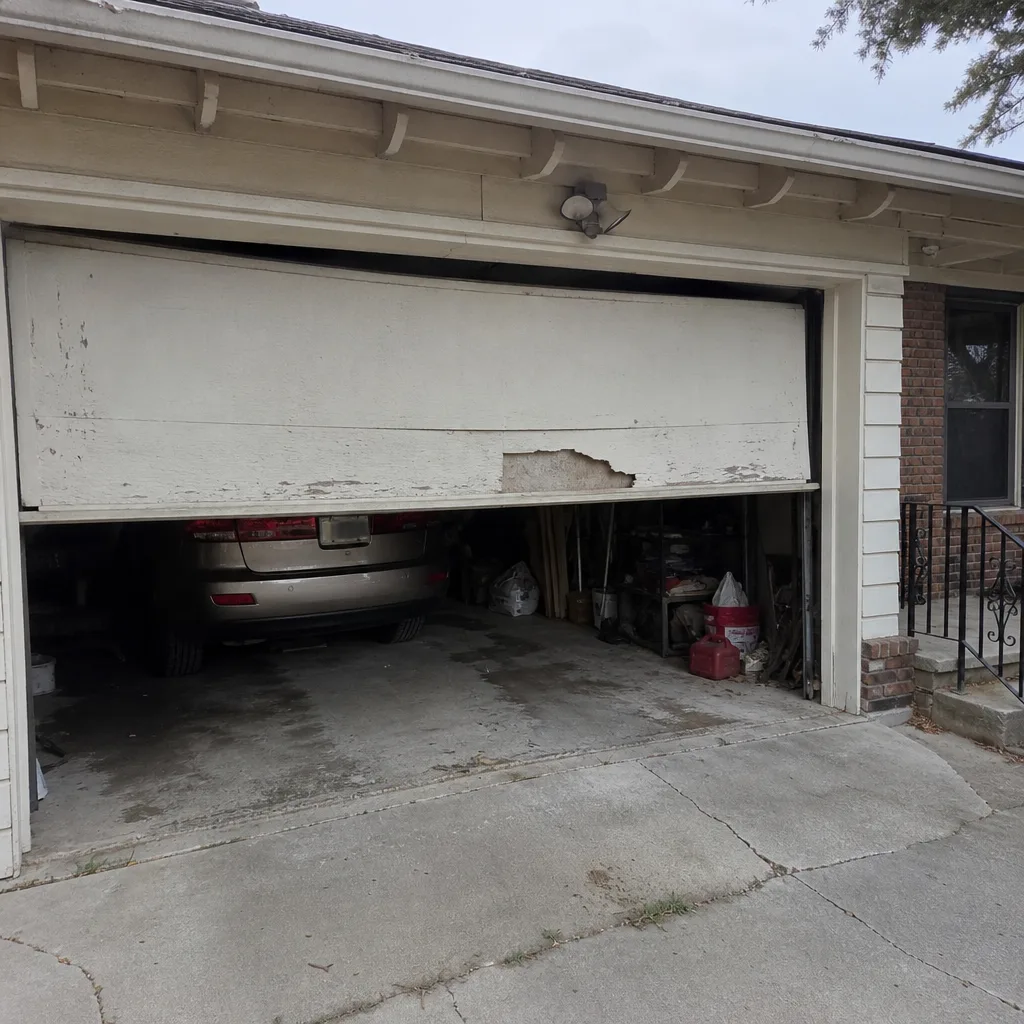 Before
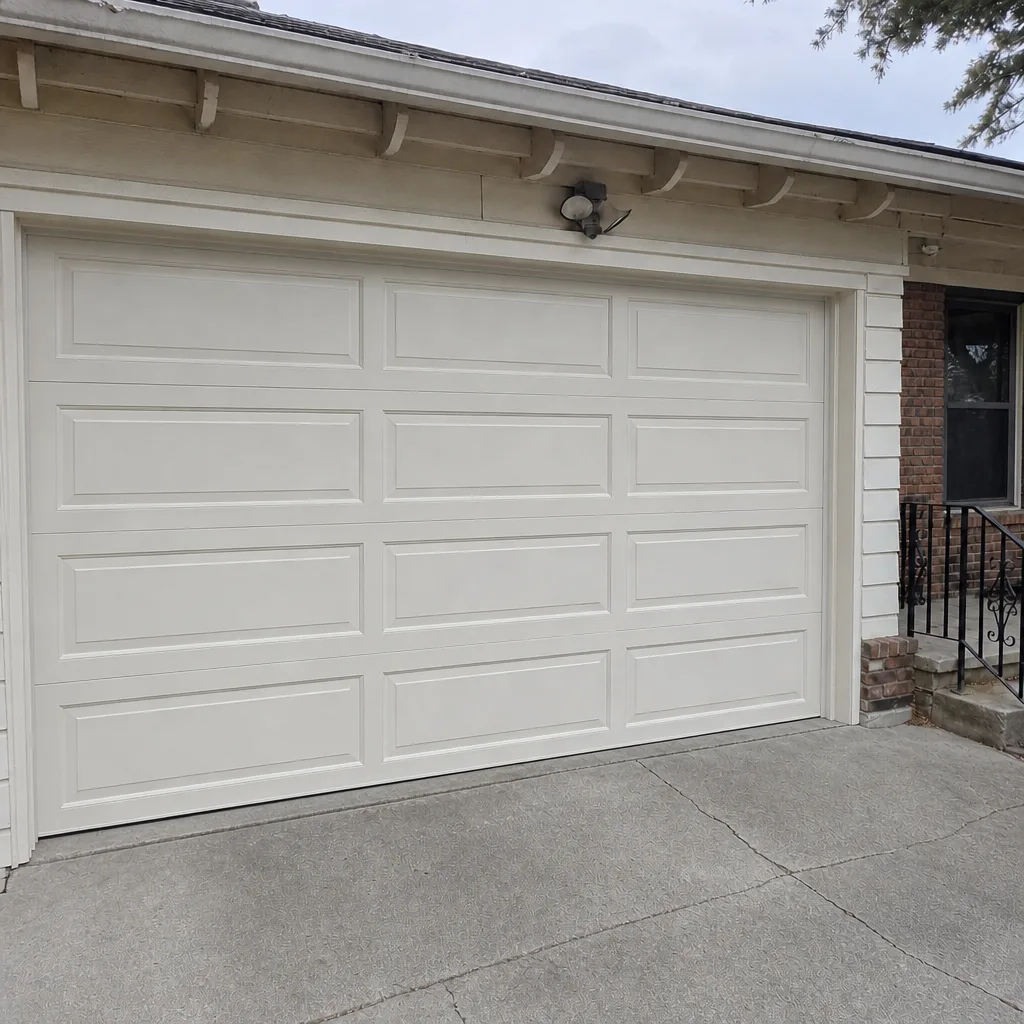 After