Last updated November 23, 2026
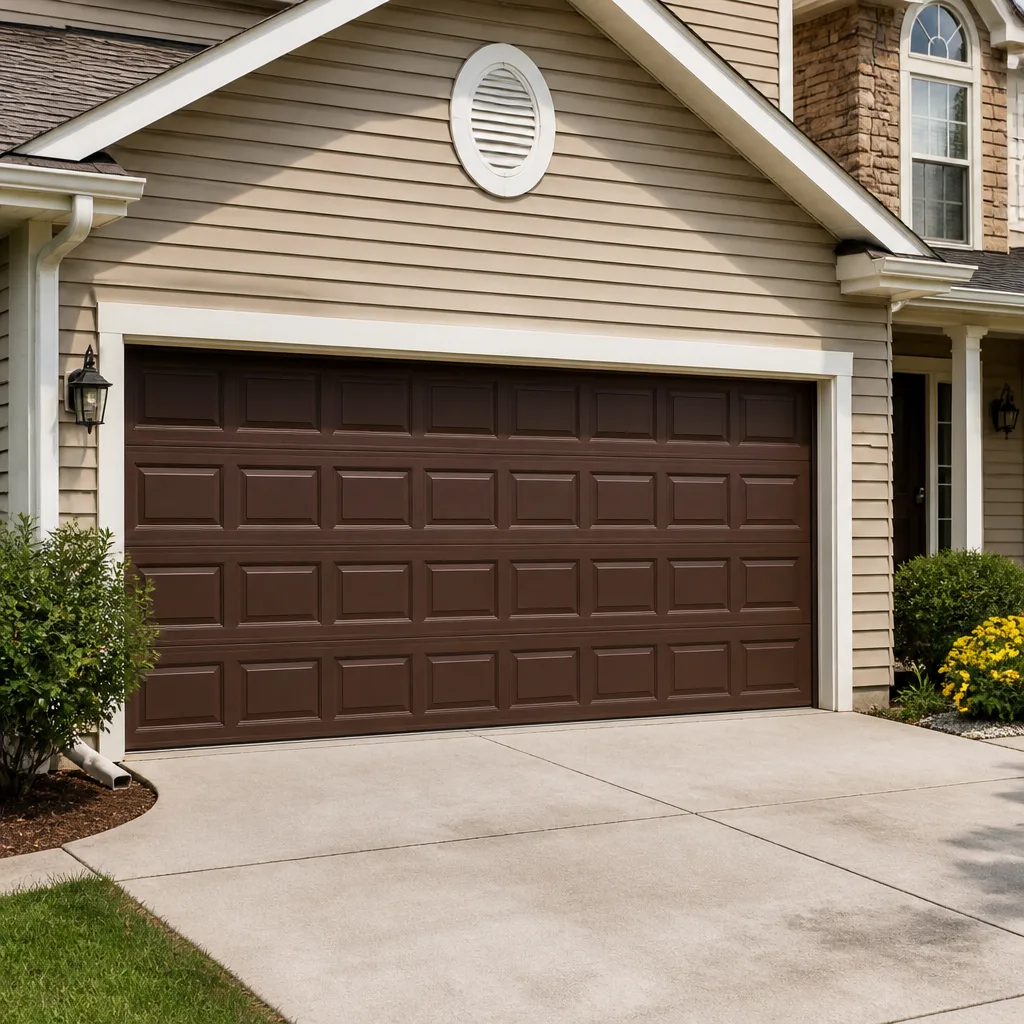 Raised-panel steel
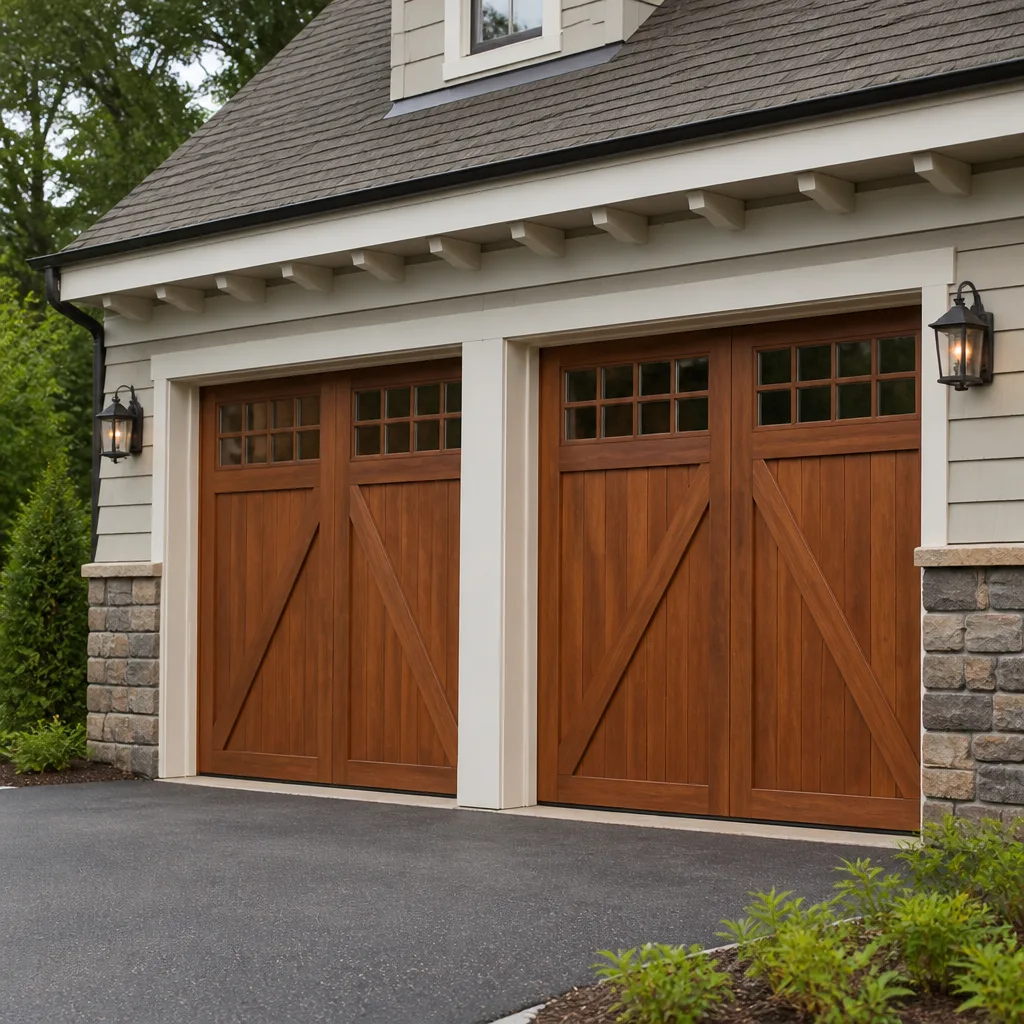 Carriage house
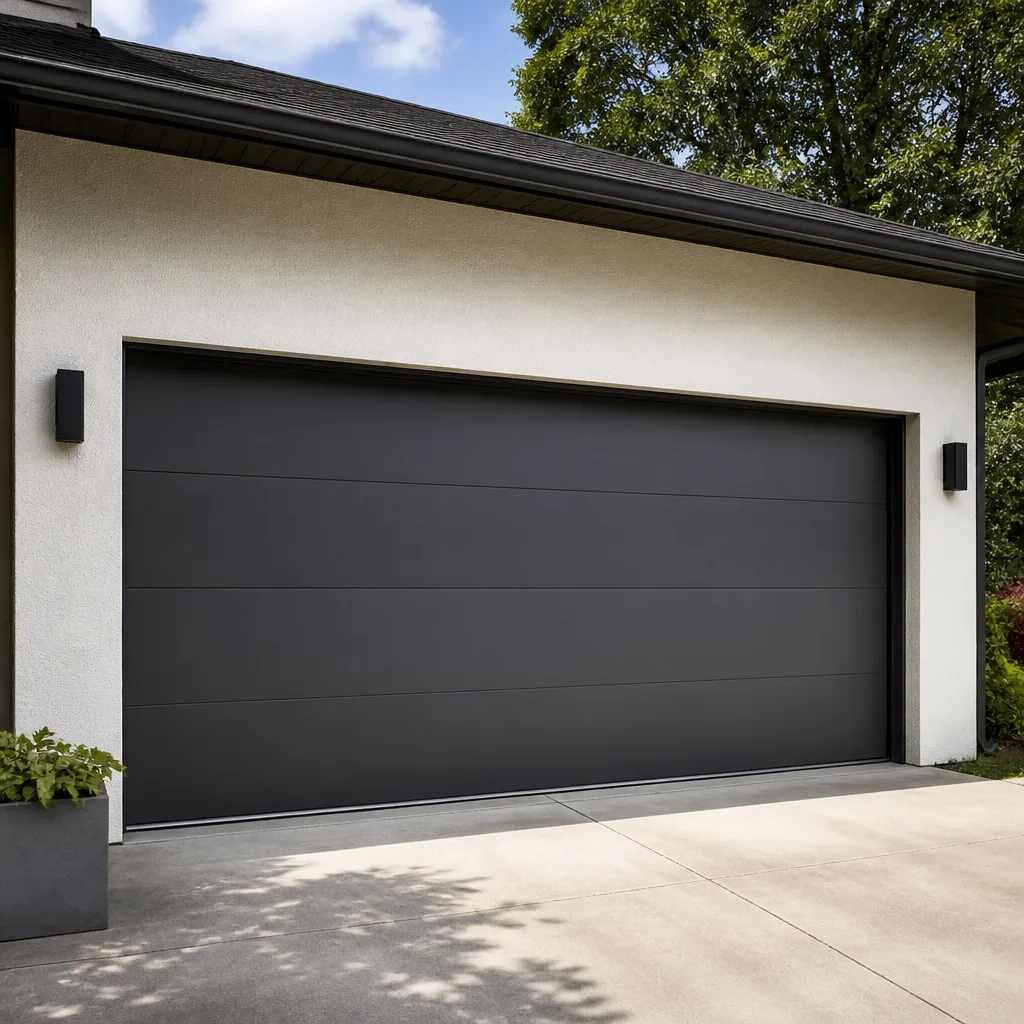 Modern flush
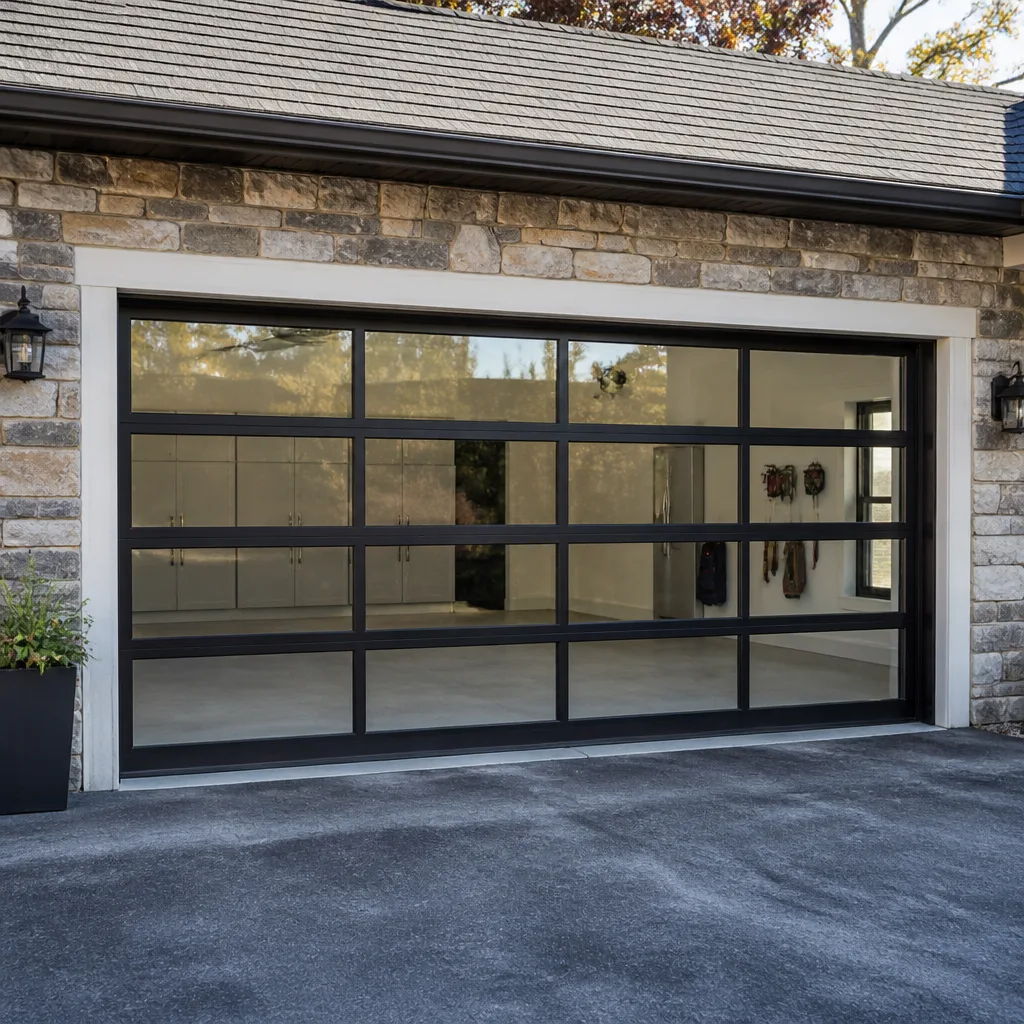 Full-view glass
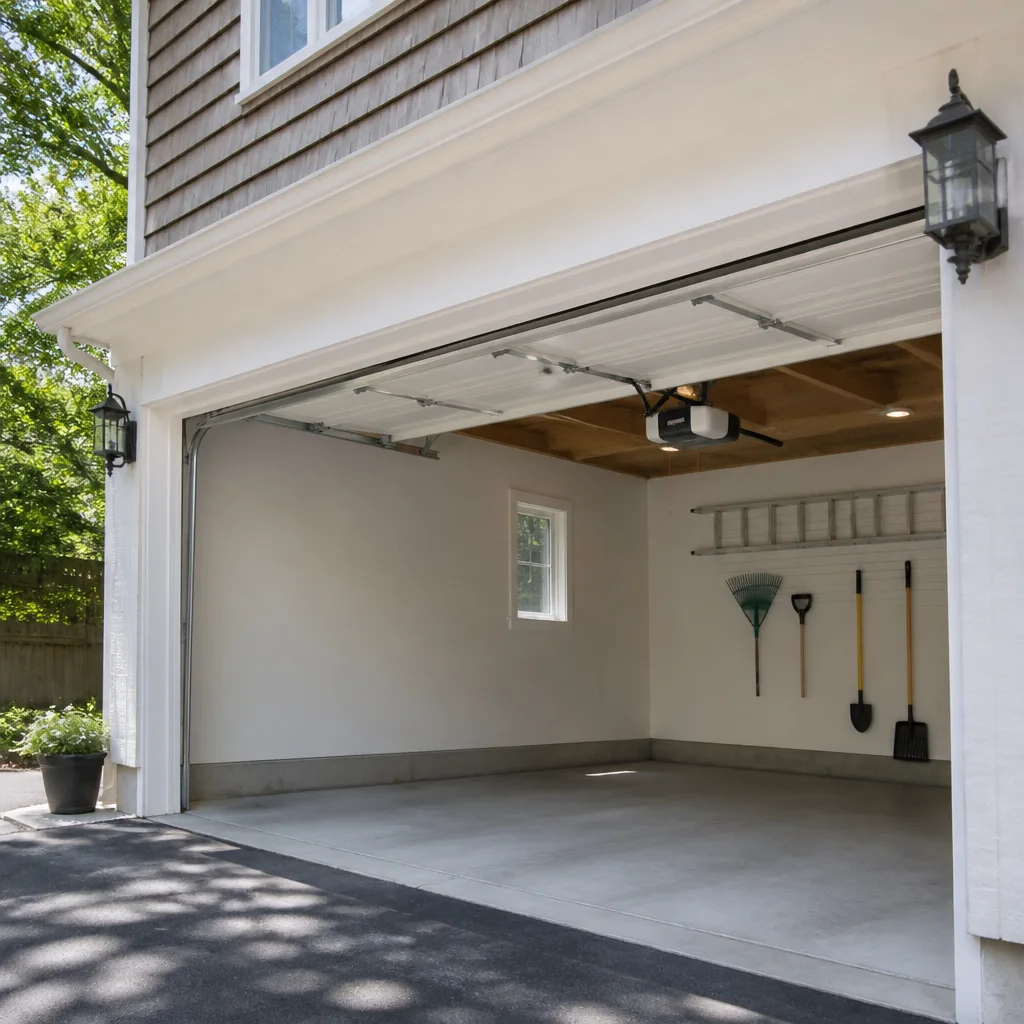 LiftMaster openers
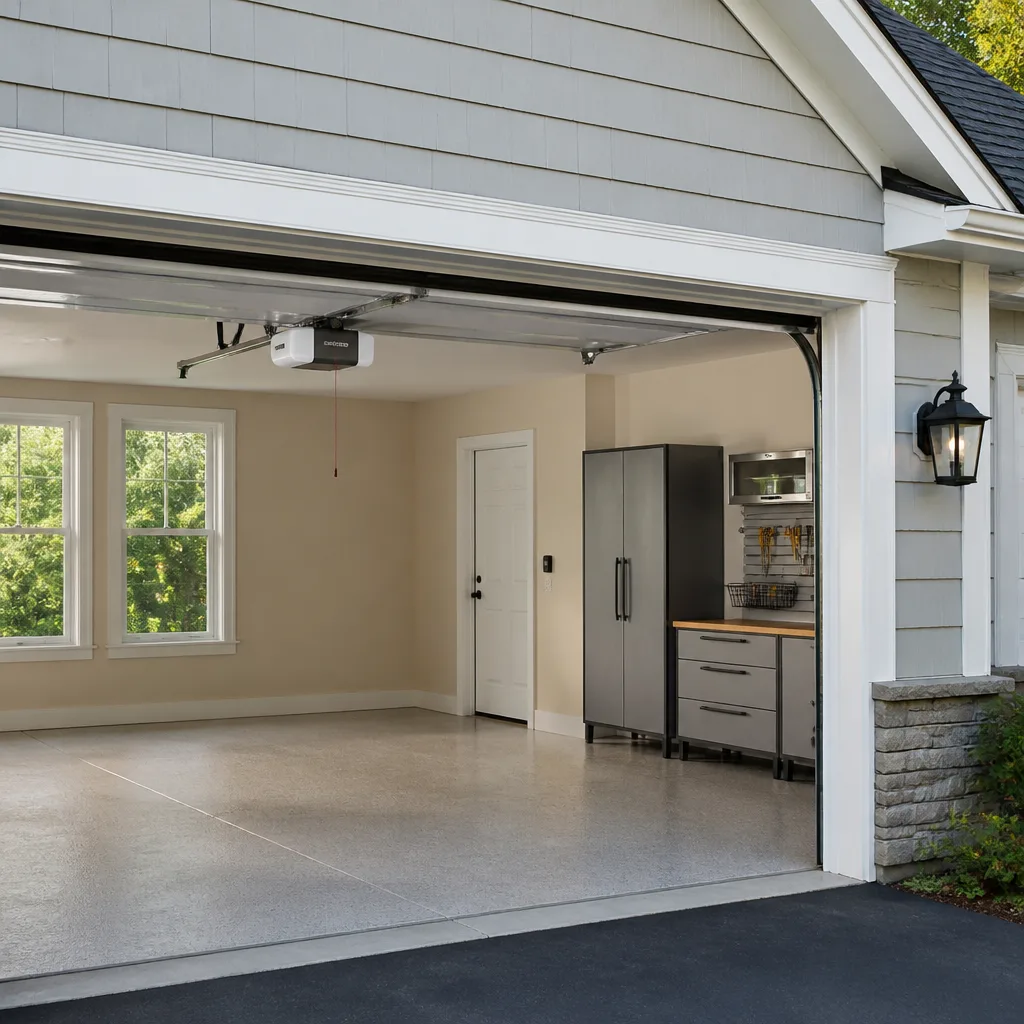 Chamberlain openers
Full 25-point door and opener safety check with every visit - springs, cables, rollers, tracks, and your LiftMaster or Chamberlain opener included
You get a price before we start. It does not change when the pro arrives.
Get your free estimateThe Complete Guide to Garage Doors in Dakota Ridge
Most garage door guides are written for sea-level suburbs in mild climates. Dakota Ridge sits above 5,700 feet, where air pressure, UV intensity, and 60°F daily temperature swings are normal – and your door system feels every bit of it. Rubber seals crack faster here. Paint chalks. Plastic components get brittle years before their time. The result is that a door which would last fifteen years in a milder climate often needs real attention sooner, and the failure patterns look different. This guide explains what actually goes wrong on the ridge, how to read the door you already own, which materials survive freeze-thaw cycling, what to expect from HOA approval, and how to tell a door problem from a structure problem before you spend money on the wrong fix.
Quick Answer
Garage doors in Dakota Ridge fail sooner than in low-elevation climates because intense high-altitude UV degrades rubber seals and finishes, and daily 60°F temperature swings work hinges, springs, and weatherstripping constantly. The most common problems are worn or broken springs, opener motor failures, and seal and track wear, and a trained technician can usually diagnose which one you’re facing in a single visit. Replacement decisions hinge on the door’s age, the condition of its panels and hardware, and whether repair costs are creeping toward replacement costs.
Styles & brands we work with
- Raised-panel steel
- Carriage house
- Modern flush
- Full-view glass
- LiftMaster openers
- Chamberlain openers
Table of Contents
- Why Dakota Ridge Doors Age Differently: Altitude, UV, and Freeze-Thaw
- Steel, Wood Composite, or Real Wood: What Holds Up Here
- How to Read Your Door’s Data Plate Before You Decide Anything
- Door System vs. Structure Problem: Getting the Diagnosis Right
- Springs, Cables, and Openers: Where the Real Failures Happen
- HOA Approval in Dakota Ridge Subdivisions: The Paperwork You’ll Need
- Repair or Replace? A Straightforward Decision Framework
- What Garage Door Work Typically Costs
Why Dakota Ridge Doors Age Differently: Altitude, UV, and Freeze-Thaw
Altitude changes what a garage door is up against. At 5,700 feet and above, the atmosphere is thinner, which means less of the sun’s ultraviolet radiation is filtered out before it reaches your driveway. That extra UV lands directly on the door and on every rubber part around it. Vinyl and rubber weatherseals that look fine at three years in a valley town can be cracked and hard at two years in Dakota Ridge. Painted steel finishes chalk and fade. Plastic hinges, roller housings, and limit-switch components on older openers get brittle and snap instead of flexing.
Then there’s the temperature. Daily swings of 60°F are routine here, and the door cycle rides on those swings. Metal expands in the afternoon and contracts overnight, every day. Each cycle tightens and loosens every fastener a little. Springs lose tension. Tracks develop small misalignments. Hinges work loose. Seals pull away from the opening.
What this means practically:
- Inspect seals and weatherstripping annually. Don’t wait for a visible gap. Squeeze the seal with your fingers: if it doesn’t spring back, it’s done.
- Fastener checks matter more here. A quick annual check of hinge and track bolts catches most of what the freeze-thaw cycle loosens.
- Finishes need attention sooner. Touching up paint and inspecting for rust spots on steel doors at the first sign saves you from a larger refinishing job later.
- Plastic parts on older openers deserve a look. Cracked hinge bearings and worn rollers on a door that’s seen many summers at elevation are common.
If you’re noticing stiffness, noise, or incomplete travel, that’s worth a look sooner rather than later – our Garage Door Repair Dakota Ridge page covers what to do first.
Steel, Wood Composite, or Real Wood: What Holds Up Here
Material choice is the single biggest factor in how a door handles Dakota Ridge’s climate. The three main options behave very differently over a decade of freeze-thaw cycling and high-altitude sun.
Steel doors handle the climate best in general, but gauge matters enormously. A 24-gauge or thicker steel panel resists denting and holds its shape through repeated expansion and contraction. Thinner 27- or 28-gauge panels flex and dent more easily. Look for a door with factory-applied finish and note that darker colors absorb more heat in summer sun, which speeds up finish wear. High-altitude UV will still challenge paint over time, but a well-made steel door with a protected finish is the most climate-resilient option. Clopay and Amarr both offer steel door lines worth comparing on gauge and finish warranty.
Wood composite doors split the difference: the look of wood without the moisture sensitivity of real wood. Composite panels resist rot, insects, and the cracking that comes from fast wet-dry cycles. Because they don’t absorb moisture the way real wood does, they tend to hold their shape through freeze-thaw cycling better than wood too. Check the specific composite construction lines when comparing.
Real wood doors are beautiful but the highest-maintenance option in this climate. Wood absorbs moisture on warm days and dries out on cold nights, and every one of those cycles opens small hairline cracks in the finish. Once moisture gets into the grain, rot follows. Real wood doors can work here, but they need annual inspection and refinishing to survive. If you want the look without the upkeep, wood composite is the more practical call.
How to Read Your Door’s Data Plate Before You Decide Anything
Almost every residential garage door carries a manufacturer’s data plate or label, usually on the inner face of the bottom or second panel, or (on some models, particularly those from Clopay, Amarr, and Wayne Dalton) on the end stile. Before you call anyone about repair or replacement, find it.
Here’s how to work through it:
- Locate the plate. Open the door and look along the inner bottom panel, then the end stiles. It’s usually a small metal or foil label with stamped numbers.
- Write down the manufacturer and model number. That tells any technician exactly what door you have without guessing.
- Note the door’s serial and build date if shown. This tells you how far into a normal service life the door is.
- Note the door width and height. Standard single doors are around 8 – 9 feet wide, double doors around 16 feet. Confirm yours so any replacement is measured correctly.
- Look at the springs (visually, without touching). Torsion springs run along a shaft above the door; extension springs run parallel to the horizontal tracks. Note the type and, if readable, the color-coded band on torsion springs.
- Read the opener label. LiftMaster, Chamberlain, Genie, Craftsman, and Raynor are all common here; the label on or under the opener housing gives your model and the horsepower.
The data plate is the difference between a technician arriving to solve your problem and a technician arriving to figure out what your problem is. Knowing the brand and model helps any local shop prepare correctly. If your opener is the question mark, our garage door opener repair page explains how those systems typically behave when they fail.
Door System vs. Structure Problem: Getting the Diagnosis Right
This is where homeowners lose the most money. A door that binds, scrapes, or won’t close can have a problem in the door system (springs, rollers, hinges, tracks, opener) or in the structure around it (the opening is out of square, the header is moving, the floor is heaving). They have completely different fixes, and treating one as the other is expensive.
How to tell the difference before you call:
- The door alone moves badly, the opening is fine. If the door binds at a particular point in travel but the tracks look straight and the opening has even gaps, the problem is almost certainly in the door system. This points toward garage door repair, not replacements.
- The gaps are uneven. If the door closes against seal on one side but not the other, or the door leans slightly in the opening, you may have an out-of-square opening or a sagging header. Structural issues need a different assessment.
- The floor has heaved. On the ridge’s freeze-thaw cycle, a concrete slab can lift. If the door closes but a gap appears at one bottom corner, the floor has likely moved. Adjusting the door can compensate, but the underlying issue is the floor.
- The door slams or drops fast. This is a spring problem, not an opener problem. Springs bear the door’s weight; when they fail, the door becomes dangerous.
If the diagnosis isn’t obvious, that’s not a reason to guess. A trained technician reads these signals quickly and can tell you whether you need repair, realignment, or a look at the structure around the opening.
Springs, Cables, and Openers: Where the Real Failures Happen
Of all the components in a garage door system, springs and cables are the most dangerous, and they’re also where most failures happen. A standard torsion spring holds the full weight of the door under hundreds of pounds of tension. When one breaks, it releases that energy instantly. That’s not a component a homeowner should attempt to handle.
Signs a spring is failing: the door feels heavier than usual when you lift it manually; the opener strains to lift the door; the door drops or slams instead of opening smoothly; you hear a loud snap from the garage. Broken torsion springs are easy to see: there’s a visible gap in the coil. Broken extension springs often have a visible break or are stretched out of shape.
If a spring has broken, don’t operate the door. Call a professional. Our garage door spring repair page explains how that service works. A matched pair of springs is almost always replaced together, since a single replacement paired with an aged spring will wear unevenly and fail sooner.
Openers fail differently. When an opener stops working, the first question is whether the problem is the opener or the door. An opener straining against a heavy door (because a spring is failing) will overheat and eventually give out. That’s a door problem, not an opener problem. Genuine opener failures include: the motor runs but the door doesn’t move (gear or drive problem); the door reverses randomly (limit switch or safety sensor issue); the remote stops working (receiver or programming problem, sometimes just a dead battery). Diagnosing which is the case takes a few minutes with a trained eye.
HOA Approval in Dakota Ridge Subdivisions: The Paperwork You’ll Need
Many Dakota Ridge subdivisions have active homeowner associations with architectural review requirements, and replacing a garage door is almost always a reviewable change. Going through approval before ordering saves the headache of installing a door you then have to remove.
The documentation you’ll typically be asked for:
- Manufacturer and model specification sheet. The HOA wants to know exactly what you’re installing.
- Color samples or manufacturer color codes. Associations often restrict doors to a narrow color palette so the neighborhood stays visually consistent.
- A photo or elevation drawing of your home showing the proposed door. This is often a requirement for the architectural review packet.
- Material specifications. Some associations have opinions about wood-look versus steel and want confirmation in writing.
- The submission form and any review fee. Most associations have a standard application form; the fee is usually modest.
What to do before you call anyone:
- Find your HOA’s architectural guidelines and read the section on garage doors.
- Confirm the approved color palette and any material restrictions.
- Ask the board (or management company) what documentation they need and whether there’s a review timeline.
- Get approval in writing before ordering the door.
One more local point: a few Dakota Ridge associations have addressed solar panel or other exterior equipment placement in their guidelines, and if your new door interacts with any exterior fixture near the opening, raise that with the board during the review. It’s a small detail that saves a resubmission. Any local installer familiar with the area will already know which subdivisions are strictest.
Repair or Replace? A Straightforward Decision Framework
The decision usually comes down to three questions. Work through them in order.
1. Is the door structure (panels, stiles, end caps) intact? If the panels are cracked, rotted, or badly dented, replacement is usually the answer. Panel repairs can work for isolated damage, but if you’re looking at more than one affected panel, the math turns toward replacement.
2. Is the hardware sound? Springs, cables, rollers, and hinges are all replaceable. If the door structure is fine and the hardware is worn, repair makes sense. Springs last several years and can be replaced on their own schedule.
3. Is the opener worth keeping? If the opener is beyond service life (older units using chain drive, or units that have failed twice in the same year), replacing the opener alongside door repairs often makes sense. LiftMaster and Chamberlain both make current-model openers worth comparing.
If the answer to all three is “yes, mostly replace it,” you’re in replacement territory. If two of the three are “no, that’s fine,” repair is usually the better call. When in doubt, a free estimate will give you a real number to weigh against a real number for replacement, rather than a guess.
What Garage Door Work Typically Costs
Prices vary with the job, but most homeowners want a ballpark before they call. These are typical estimated ranges. The written estimate is what sets the final price.
- Spring repair (one spring): roughly $150 – $350 for a standard torsion spring replacement
- Matched pair of springs: roughly $300 – $650, since a pair is usually replaced together
- Cable repair: roughly $120 – $280
- Opener repair: roughly $100 – $250, depending on the part
- New opener installation: roughly $300 – $650 for a standard belt or chain drive unit
- Roller and hinge replacement: roughly $100 – $250
- Weatherseal replacement: roughly $120 – $280
- Full door replacement: from around $900 for a basic steel single door to $3,500+ for a larger insulated double door
All figures are estimates only. Prices in Dakota Ridge reflect the local market and any specific requirements of your existing installation. When you call, the estimate is free, and the price you agree to before work starts is the price on the invoice.
One point worth stating directly: we quote and agree on the price before any work begins. If the scope changes once we see the door, we tell you before continuing. Nobody wants a bigger invoice than the estimate.
Common Mistakes to Avoid
- Assuming a stiff door is an opener problem. Nine times out of ten, a door the opener can’t lift has a spring problem. Replacing the opener without fixing the spring just buys you a fresh opener that fails too. Diagnose the door first.
- Waiting on a broken spring. A broken torsion spring means the full weight of the door is unsupported. Operating the door in this condition can cause injury or damage the opener. Don’t try to run it – call for service.
- Choosing a door color before checking HOA rules. A door you love that the association won’t approve is expensive to fix. Read the architectural guidelines first, then pick a door that fits.
- Ignoring the data plate. Your door has a model and serial label. Find it. A technician who knows what door you have will show up better prepared and diagnose correctly the first time.
- Replacing the door when the opening is out of square. An uneven gap doesn’t always mean a worn door. Sometimes the opening, header, or floor is the real issue. Misdiagnosing this means the new door behaves just like the old one.
- Treating annual inspections as optional at this elevation. The UV and freeze-thaw cycles here accelerate wear on seals, finish, and hardware. A quick seal-and-fastener check once a year catches problems while they’re still cheap to fix.
- Hiring a generalist for specialized work. Spring repair, opener diagnostics, and door installation are distinct disciplines. A handyman may be perfectly capable on a loose hinge and out of his depth on a high-tension spring.
See the difference
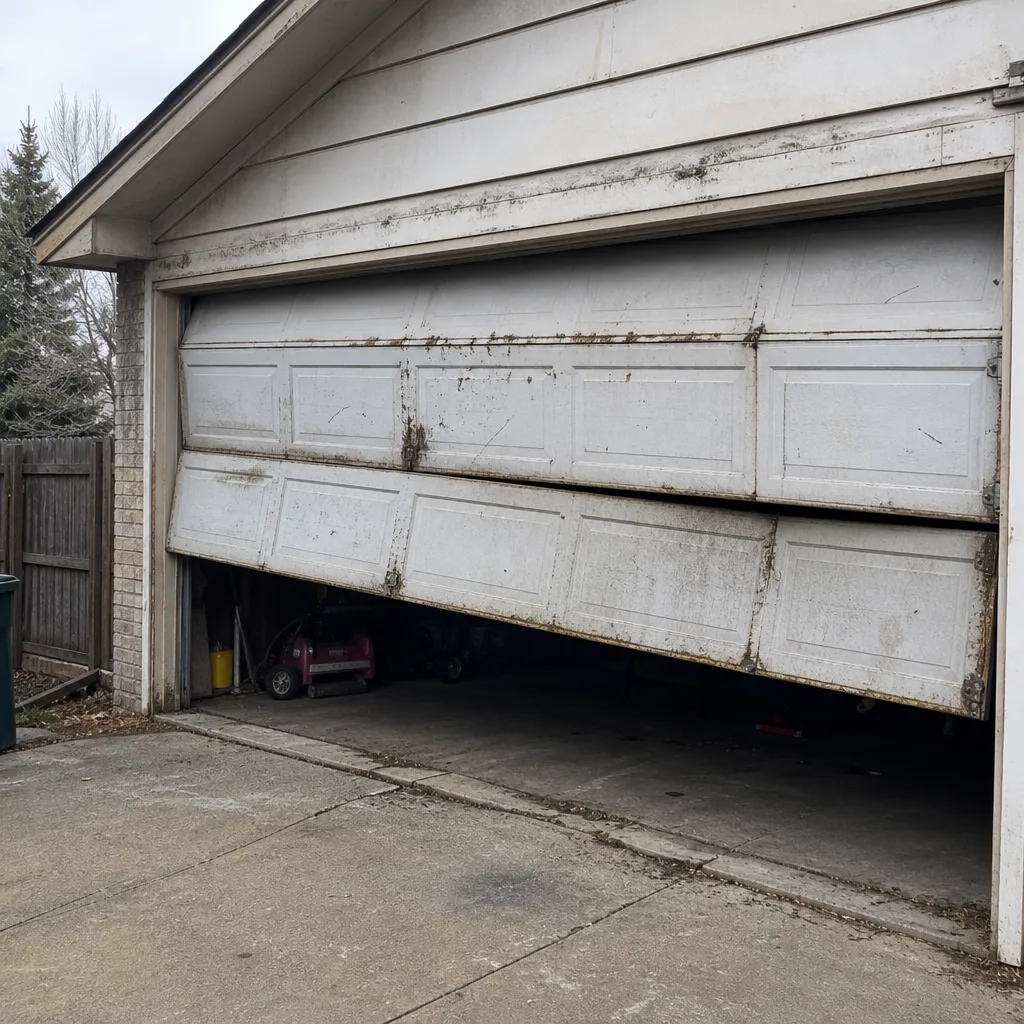 Before
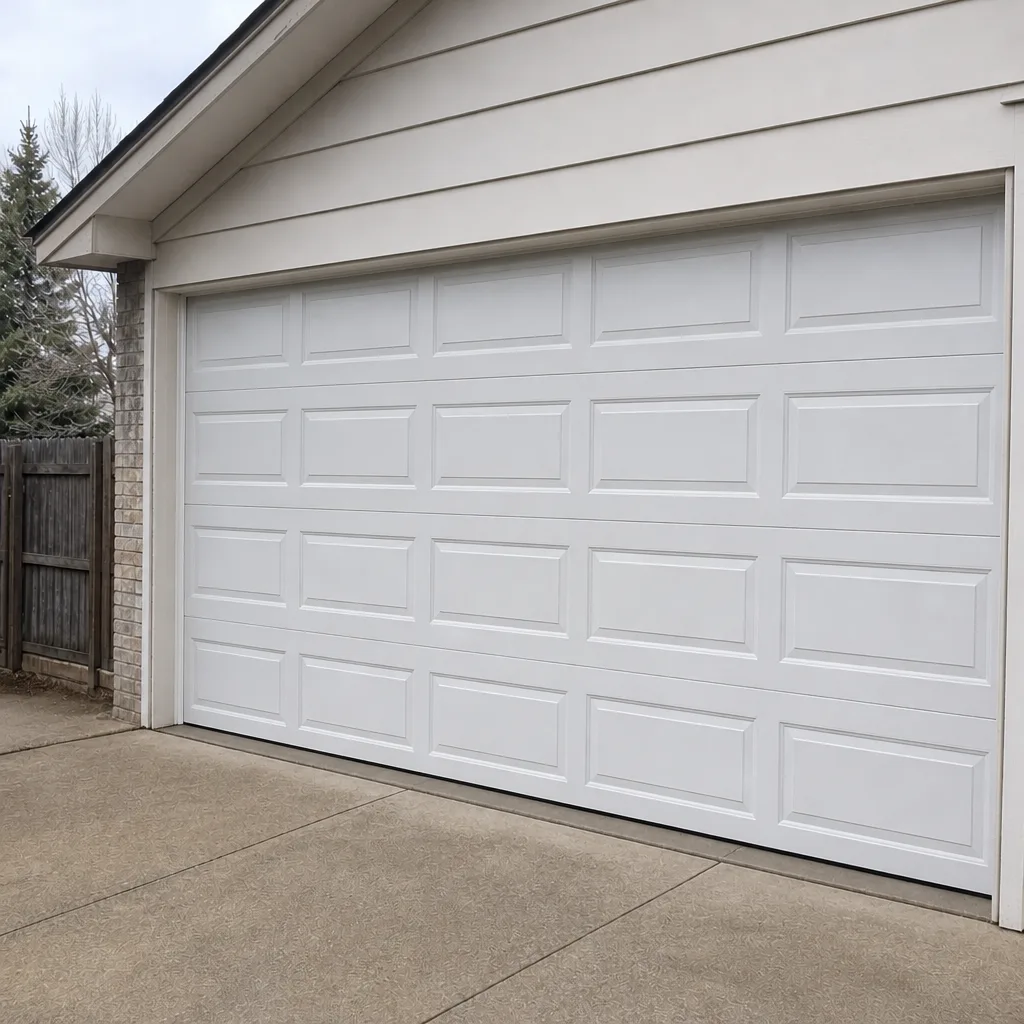 After
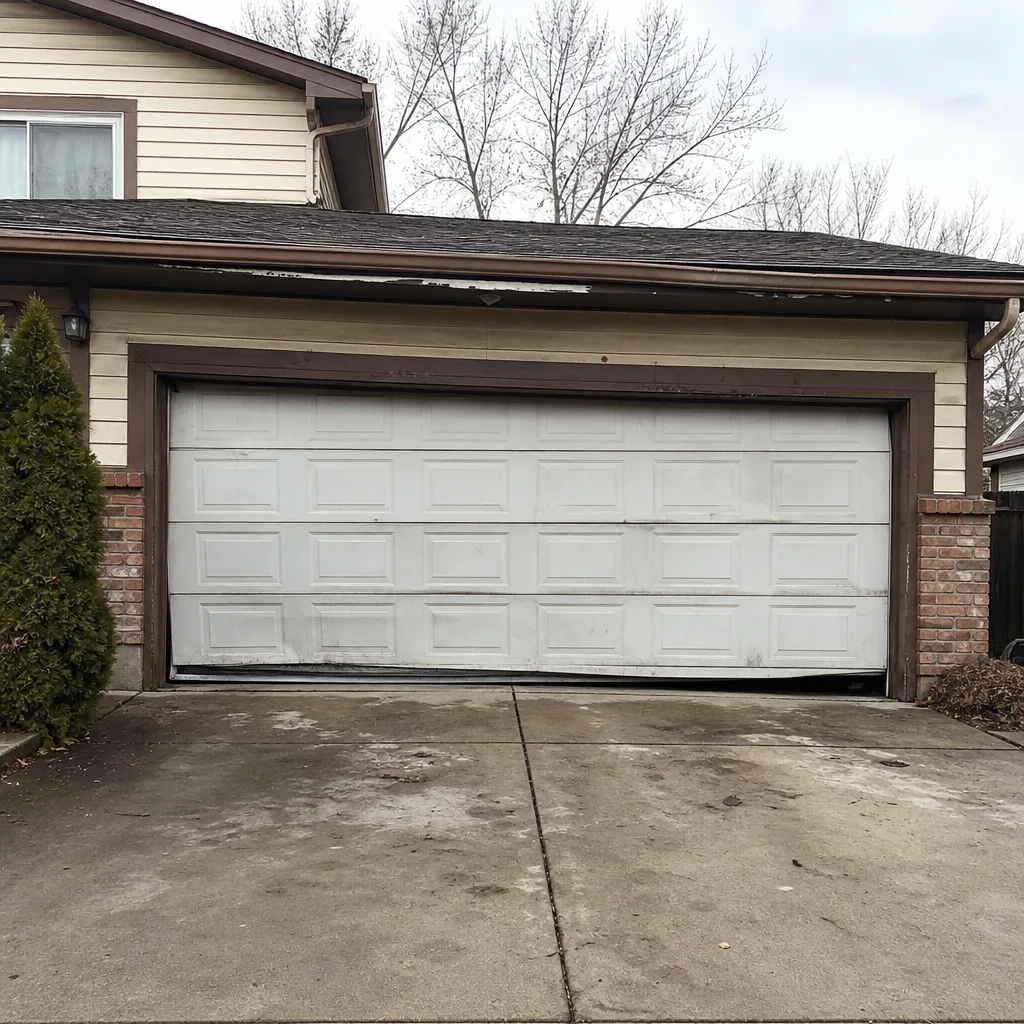 Before
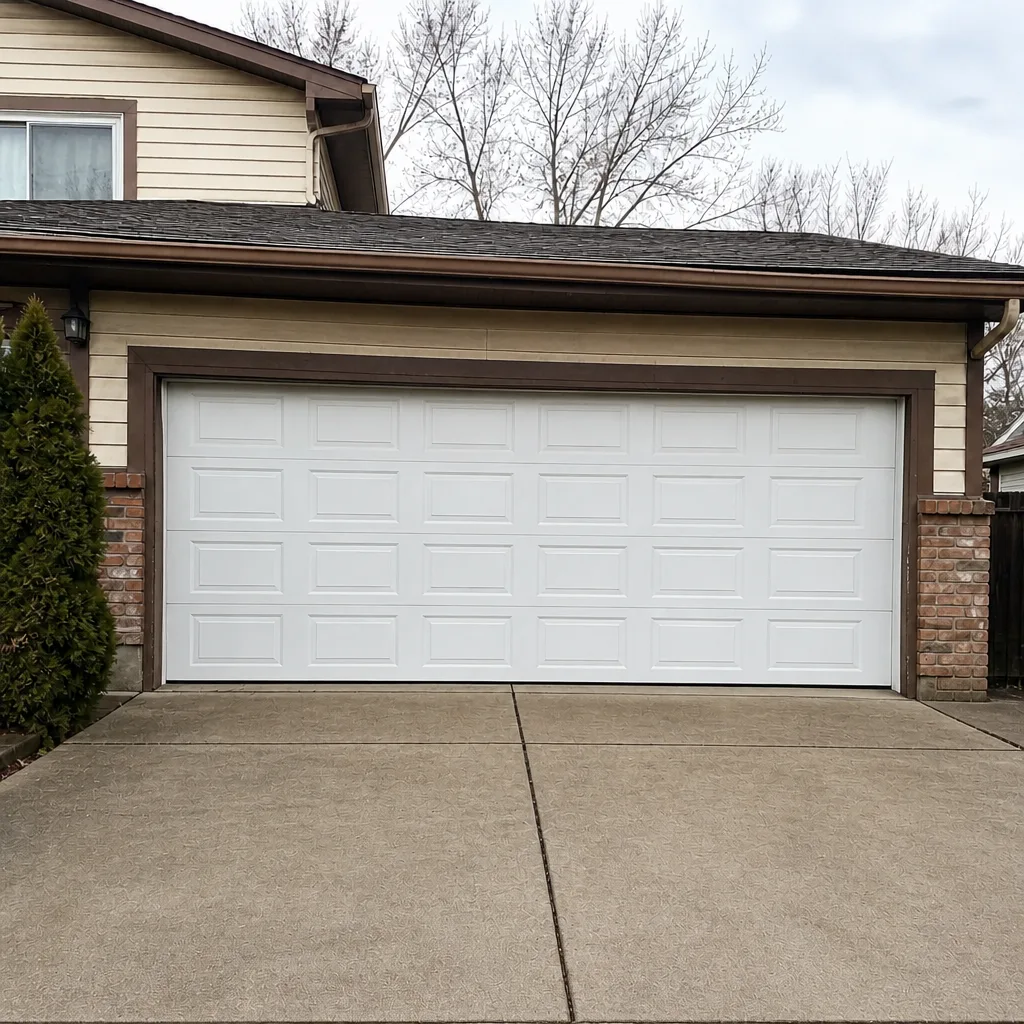 After
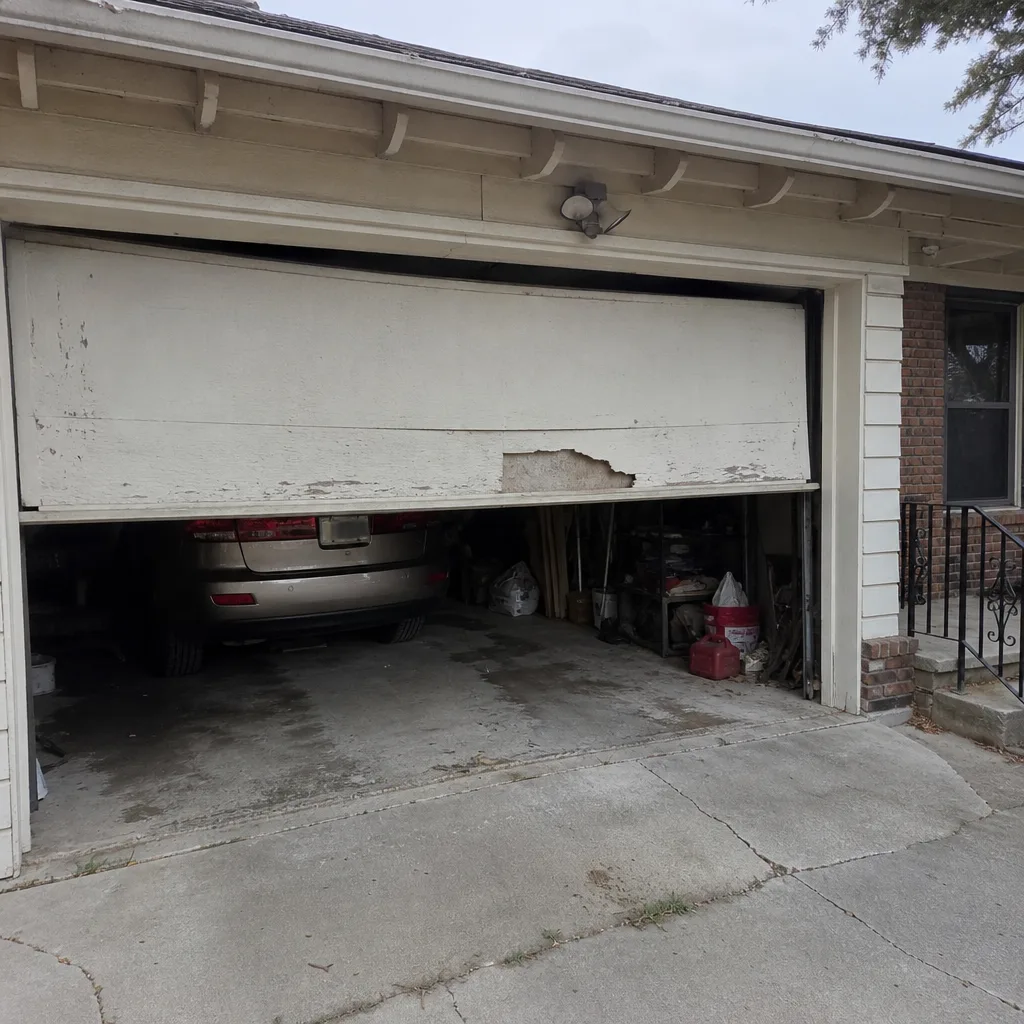 Before
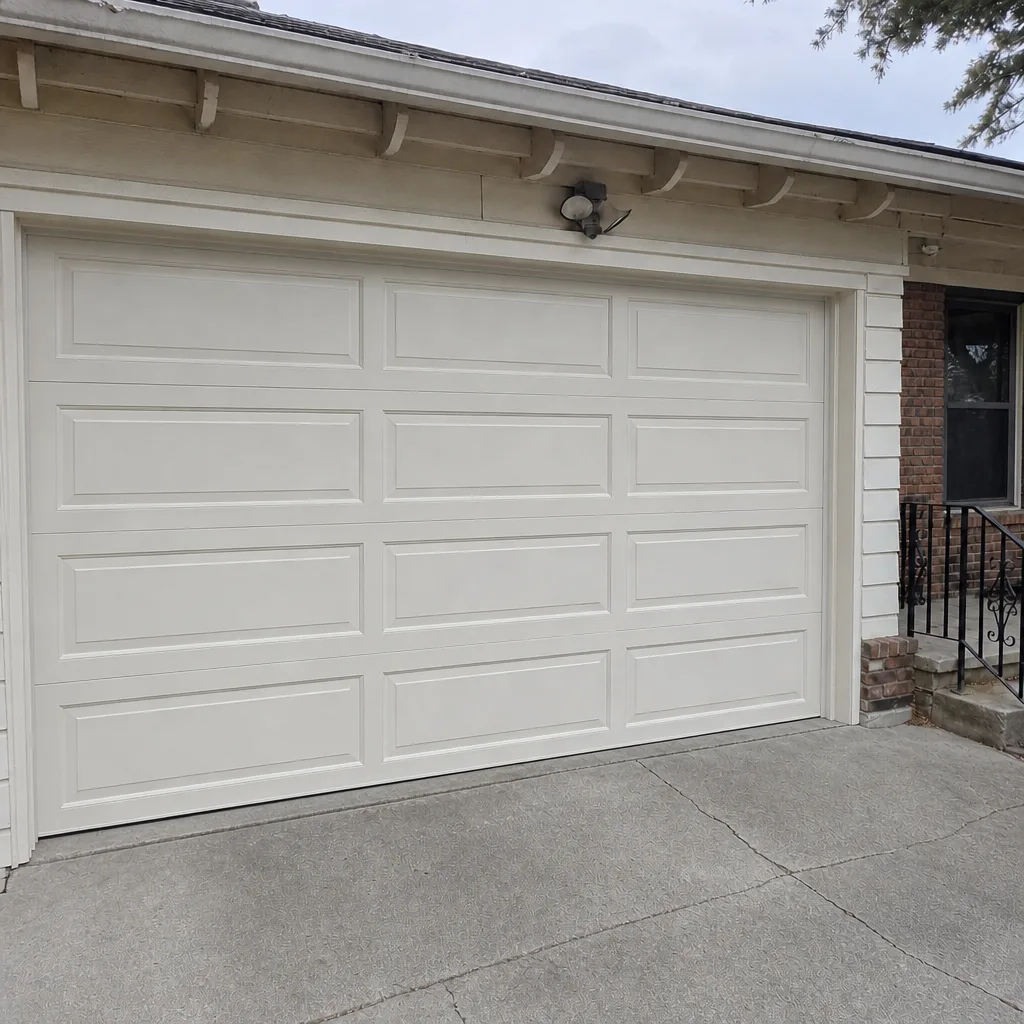 After
When to Call a Professional
Some garage door issues are safe to observe and slow to resolve. Others need a trained technician, now. Call us if the door has a broken spring (the door should not be operated), if cables are visibly damaged or snapped, if the door drops or slams unexpectedly, if the opener runs but the door doesn’t move, or if you’ve had two or more opener failures in a short period (usually a sign of a door problem, not an opener problem). We also get the call when a door panel is damaged and the opening is now exposed, or when the door has stopped moving altogether and the car is stuck inside. Garage Door Repair Dakota Ridge offers free estimates in Dakota Ridge – call (855) 337-2081. Our technicians have up to 9 years of experience and work on the actual brand and model in front of them, whether it’s a LiftMaster opener or a Wayne Dalton door.
Frequently Asked Questions
Doors in Dakota Ridge tend to need attention sooner than in milder climates because high-altitude UV degrades seals and finishes faster and 60°F daily temperature swings work hardware constantly. A standard steel door with regular maintenance can still go a long time, but its seals, hinges, and cosmetic finish will need attention more often than the same door at sea level. Call (855) 337-2081 for a free estimate on your specific door.
Spring repair in Dakota Ridge typically runs around $150 – $350 for a single torsion spring replacement, and a matched pair is usually replaced together for roughly $300 – $650. The written estimate sets the final price, and it’s agreed before any work starts. Call (855) 337-2081 for a free estimate.
In many Dakota Ridge subdivisions, yes. Most active HOAs require a submission with the manufacturer and model, a color sample, and sometimes a photo or elevation drawing before they approve a garage door change. Find your HOA’s architectural guidelines first, get approval in writing, and then order the door. Call (855) 337-2081 if you’d like to talk through what brands and models typically move through review smoothly.
We quote and agree on the price before any work starts, and the estimate is what sets the final invoice. If we find something unexpected once we’re on-site, we’ll talk it through with you before we proceed. That conversation happens first, not after the work. Call (855) 337-2081 for a free estimate.
The independent local professionals we connect you with are licensed and insured as their state requires. Our technicians have up to 9 years of experience and are trained across major brands including LiftMaster, Chamberlain, Genie, Clopay, Amarr, Wayne Dalton, Craftsman, and Raynor, so they diagnose the actual system in front of them rather than starting from a generic guess. Call (855) 337-2081 with any questions about credentials or the scope of work.
If the door itself binds during travel but the tracks are straight and the gaps around the opening are even, the issue is in the door system. If the gaps are uneven or the floor has heaved and the door closes crooked at the bottom, the opening or the floor is involved. This matters because the fixes are completely different, and getting the diagnosis wrong costs money. Call (855) 337-2081 for a free estimate and an accurate diagnosis.
The Bottom Line
Garage doors in Dakota Ridge face specific conditions that doors in flatter, milder climates don’t: strong high-altitude UV, daily 60°F temperature swings, and freeze-thaw cycling that works hardware every day. The practical approach is to know your door (read the data plate), respect what spring failure means (call a professional, don’t operate the door), and understand that diagnosing whether a problem lives in the door system or the opening structure is worth getting right the first time. Repair is often the right call; replacement is right when the structure or hardware is beyond saving. And when your HOA is involved, read the architectural guidelines before ordering anything. Free estimates are always available at (855) 337-2081.
Call Garrison Door Repair Dakota Ridge at (855) 337-2081 for a free estimate on your garage door – repair, opener diagnostic, spring work, or full replacement. We’ll diagnose correctly the first time and agree on the price before we start.
Written by the team at Garage Door Repair Dakota Ridge.