Last updated November 23, 2026
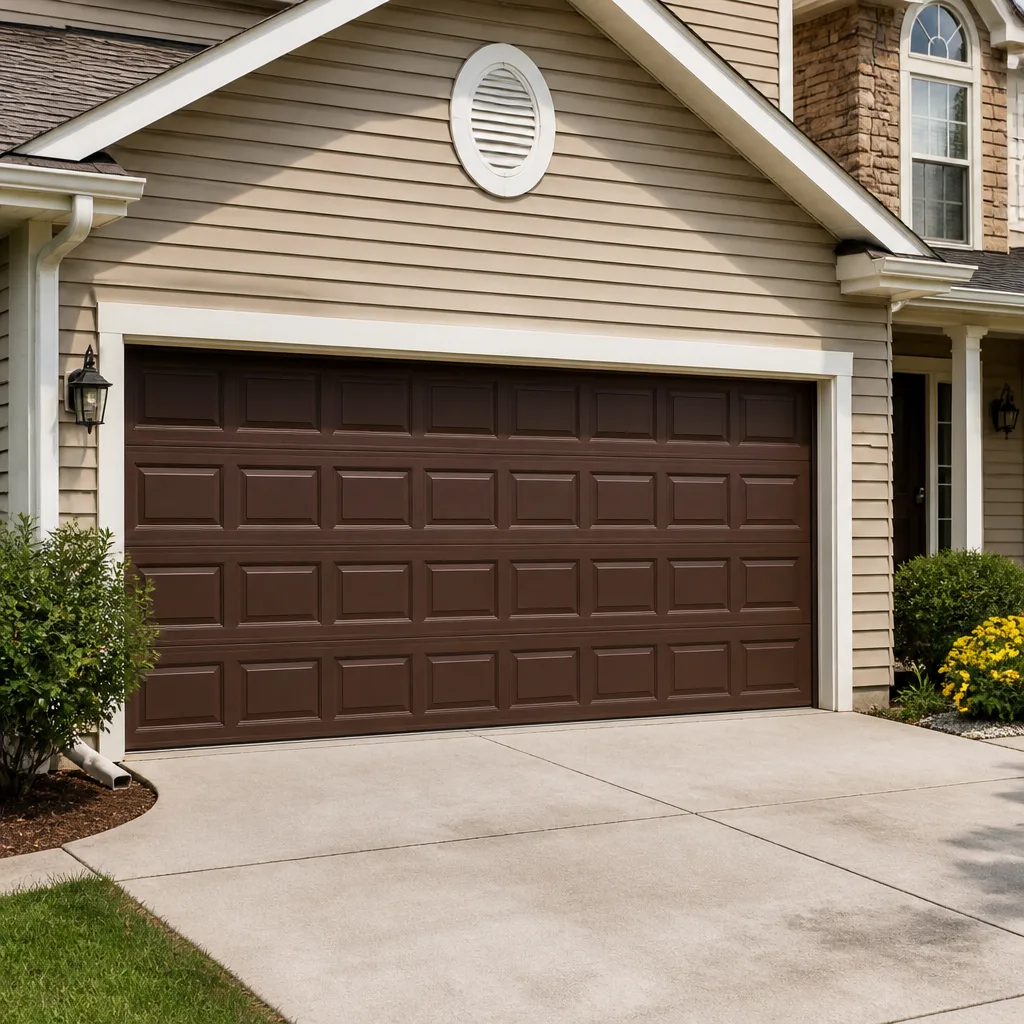 Raised-panel steel
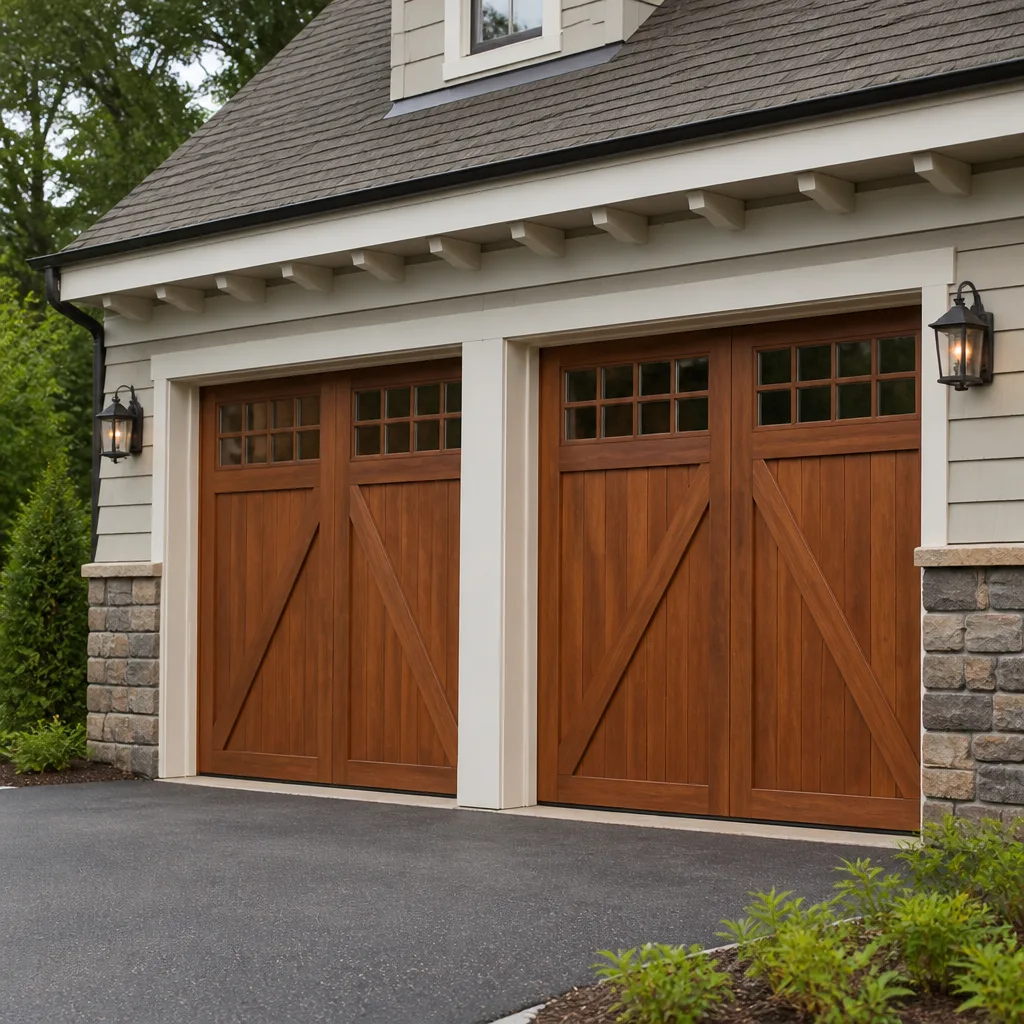 Carriage house
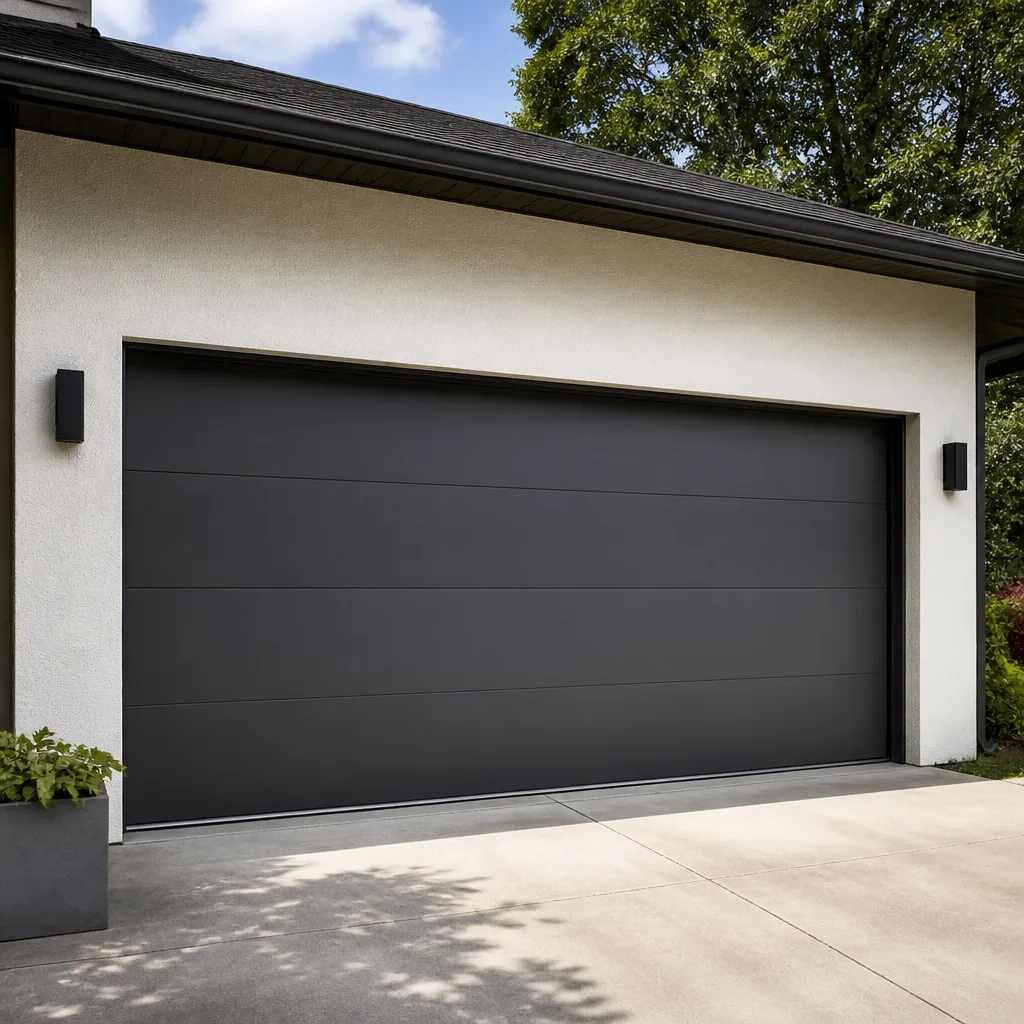 Modern flush
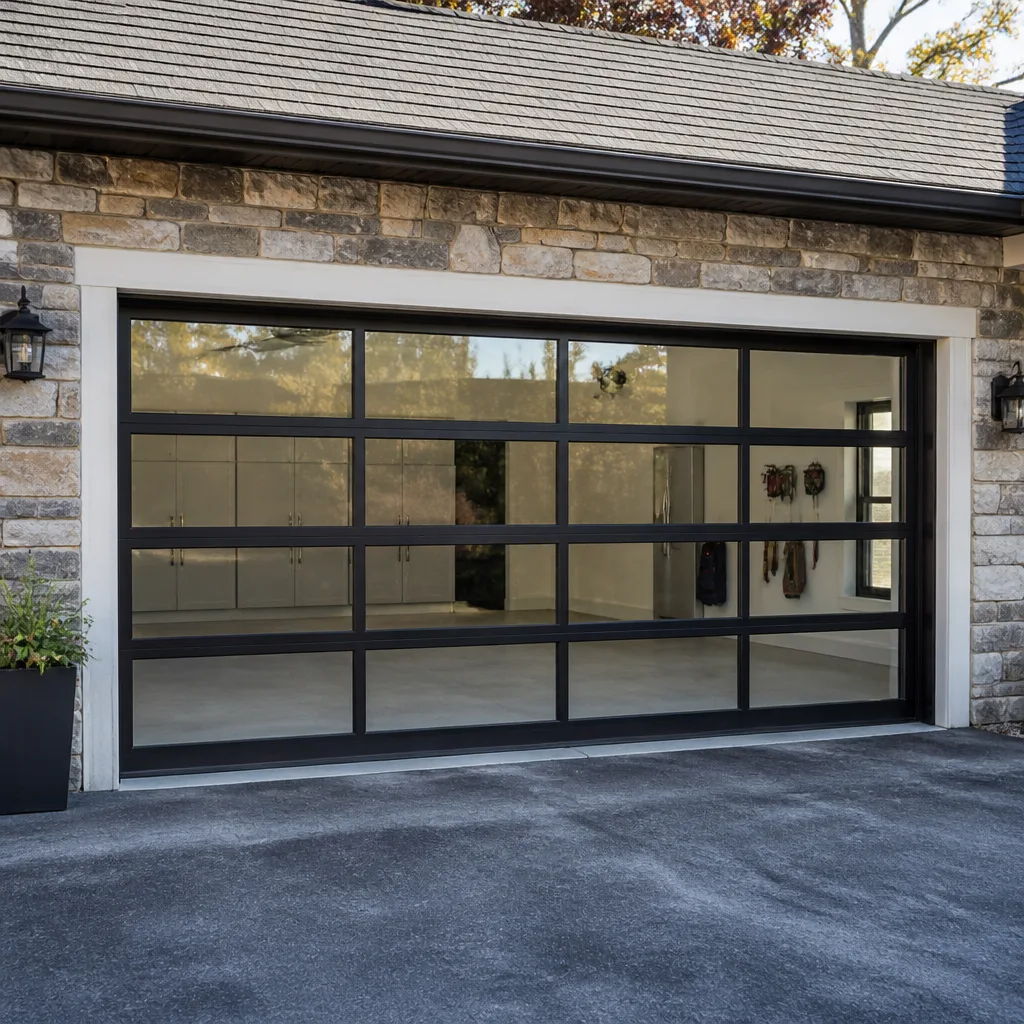 Full-view glass
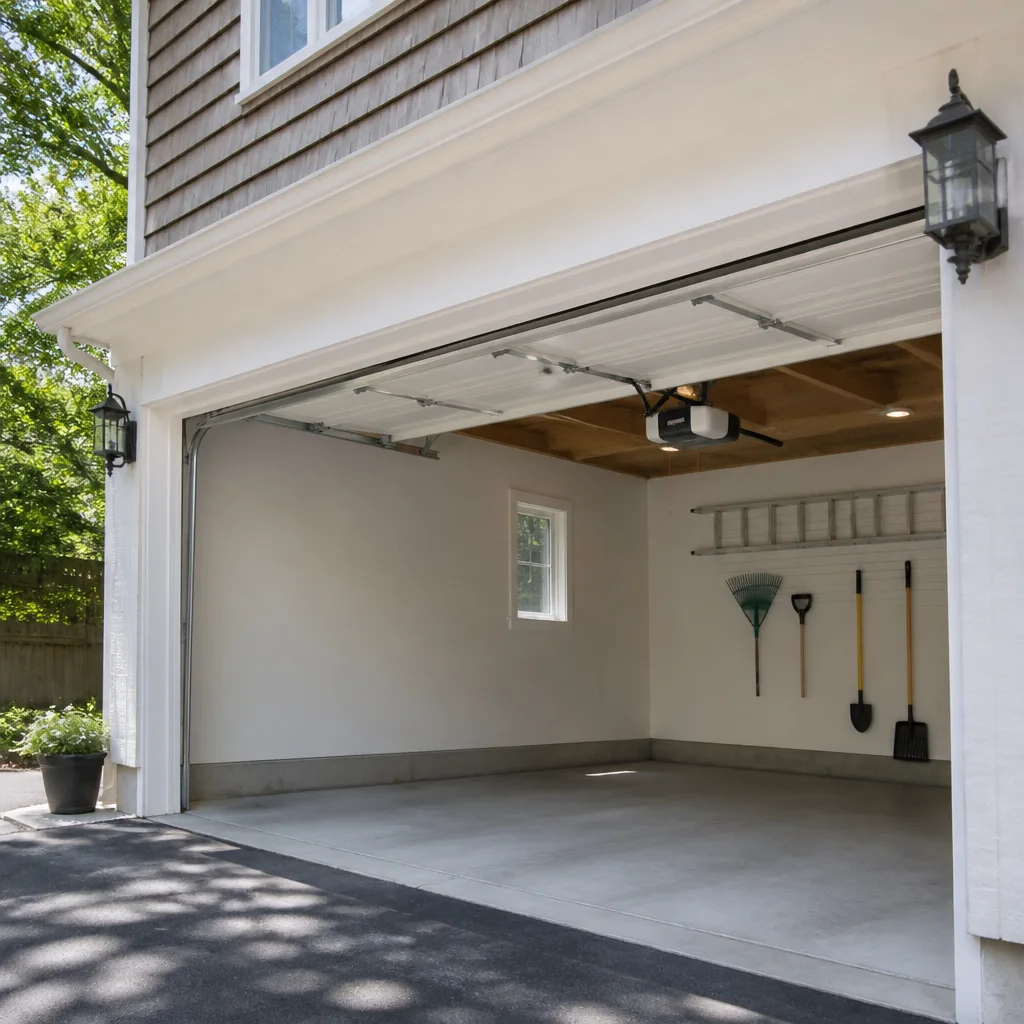 LiftMaster openers
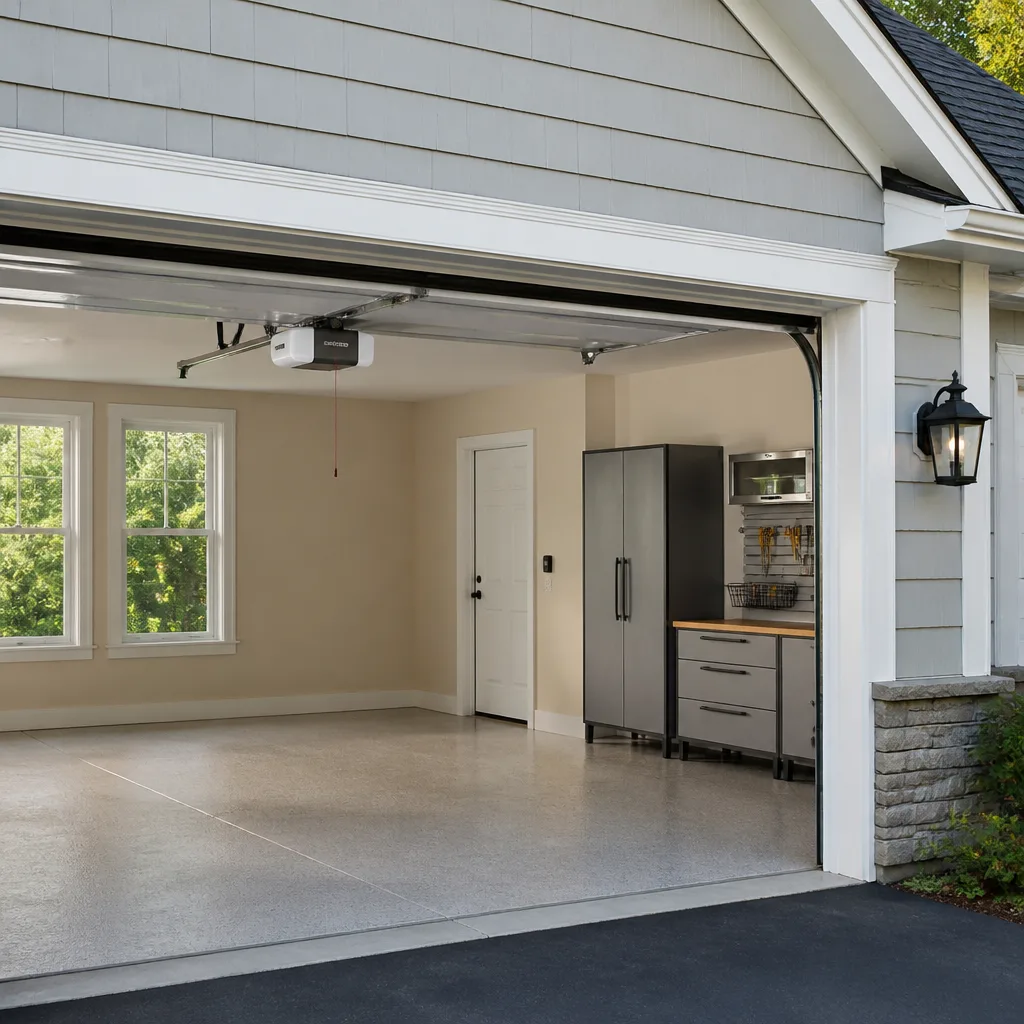 Chamberlain openers
Full 25-point door and opener safety check with every visit - springs, cables, rollers, tracks, and your LiftMaster or Chamberlain opener included
You get a price before we start. It does not change when the pro arrives.
Get your free estimateChoosing the Right Garage Door Brand: A Buyer’s Guide for Dakota Ridge
The most expensive door in the showroom means nothing if nobody nearby can get parts for it within a week. That’s the part of brand shopping nobody puts on a brochure. In a metro-adjacent market like Dakota Ridge, where the wind comes off the foothills with real force and the nearest big-city distribution sits a short drive down the highway, parts availability is a genuine variable in what your door costs to own. This guide is about configuration, not marketing. You’ll learn how to read a product line, what wind ratings actually say, which brands move parts quickly around Jefferson County, and how to tell when a dealer is recommending what fits your opening versus what fits their order sheet.
Quick Answer
The right garage door brand for a Dakota Ridge home is the one whose specific product line matches your opening, your insulation needs, and your wind exposure, and whose parts a local technician can actually source. Brand name alone tells you very little, because Clopay, Amarr, and Wayne Dalton each sell across a wide quality spectrum under the same logo. Pick the configuration first, confirm local parts support second, and treat the brand as the label on a decision you’ve already made correctly.
Styles & brands we work with
- Raised-panel steel
- Carriage house
- Modern flush
- Full-view glass
- LiftMaster openers
- Chamberlain openers
Table of Contents
- How to Decode Manufacturer Product Lines
- What “Wind-Rated” and “Wind-Load Certified” Actually Mean
- Parts and Service Network Reality in the Denver Metro
- Insulation R-Value: What’s Worth the Premium in Colorado
- How to Evaluate a Dealer’s Recommendation
- Openers Are a Separate Brand Decision
- A Seven-Step Buying Process
- Common Mistakes to Avoid
- When to Call a Professional
- Frequently Asked Questions
How to Decode Manufacturer Product Lines
Walk into a showroom and you’ll see three doors from the same manufacturer priced hundreds of dollars apart. That gap isn’t markup. It’s a different product line, and the lines are built to hit different price points with different materials, different hardware, and different warranty terms. Learning to read the line tier is the single most useful skill in this whole purchase.
Clopay, Amarr, and Wayne Dalton all run this play. Each one maintains a builder-grade tier, a mid-range tier, and a premium or designer tier, and each tier carries its own construction details. The brand on the box is identical. The door inside it is not.
Here’s what separates the tiers in practice:
- Section construction. Builder-grade doors often use a single-layer steel skin with a strut for rigidity. Mid-range doors add a steel back, and premium doors use two steel skins with insulation bonded between them.
- Insulation. Entry tiers may be uninsulated or carry a thin polystyrene panel. Higher tiers move to polyurethane, which insulates better per inch.
- Hardware. Hinges, rollers, and track gauge get lighter as you move down the price ladder. This is where a door begins to rattle and wear first.
- Warranty. Read the fine print. A limited lifetime warranty on one line and a five-year warranty on another within the same brand tells you exactly where the manufacturer ranks them.
- Wind rating options. Higher tiers are more likely to offer reinforced sections and rated hardware packages. Ask, because it isn’t always standard.
When you compare quotes, compare line names, not brand names. “An Amarr door” is not a specification. “An Amarr mid-tier insulated steel door with a reinforced section package” is. If a quote won’t name the line, ask why. Our technicians work across the full range from LiftMaster, Chamberlain, Genie, Clopay, Amarr, Wayne Dalton, Craftsman, and Raynor, and we’ll tell you plainly which tier you’re looking at. We’ve also written more on garage door repair if you’re deciding whether to replace at all.
What “Wind-Rated” and “Wind-Load Certified” Actually Mean
A wind rating tells you the pressure a door assembly was tested to withstand. It does not mean the door is guaranteed to survive any storm, and it does not mean every door in that line is rated. It’s a specification for a tested assembly: door, hardware, track, and anchoring, together.
Dakota Ridge sits along a stretch where foothills winds funnel and accelerate. Anyone who has watched a gust press against a west-facing door knows the difference a stiff door makes. That exposure is exactly why the wind talk on a spec sheet matters here, and why a builder-grade door on an exposed wall can feel like a weak point.
Two terms get used loosely, so here’s the plain version:
- Wind-rated usually means the door has been tested to a pressure standard and the rating applies to a specific configuration: a given width, a given reinforcement package, a given anchoring method.
- Wind-load certified or a rated assembly means the manufacturer documents that the whole assembly, not just the panel, meets the load. This is what an inspector or engineer actually cares about.
The practical questions to ask before you buy in Dakota Ridge:
- Does the rating apply to my exact door width? Ratings often change with size.
- Does the rated package include reinforced struts, heavier track, and specific anchor brackets?
- Is the rating documented in writing, or is “wind-rated” just a sales adjective?
- Does my local building department require anything for a replacement door? Most cities require a permit for a structural change, and some require it for any door replacement. Ask the city’s building department before the order goes in.
A door that flexes under load puts stress on the springs, the opener, and the hinges. If your door faces open ground with no windbreak, the rated package is worth pricing. Call (855) 337-2081 and we’ll walk through what your opening needs.
Parts and Service Network Reality in the Denver Metro
Here’s the thing a salesperson won’t bring up: the repair cost years from now depends on whether the parts are sitting in a warehouse down the road or on a truck from three states away. Dakota Ridge is close enough to the Denver metro that most major brands have decent distribution reachable from Jefferson County. But “decent” varies brand by brand and part by part.
Springs are the clearest example. A torsion spring is sized by wire gauge, inside diameter, and length. A common size is usually easy to source locally. An unusual size on an older door can mean a wait. The same logic applies to opener logic boards, remote receivers, and proprietary track components. When garage door spring repair is on the table, the technician’s ability to match your spring matters more than the brand on the door.
What strong local distribution looks like in practice:
- Widely supported locally. LiftMaster and Chamberlain opener parts, along with Clopay and Amarr door hardware, are generally well represented through Denver-area suppliers. Craftsman openers share a long family history with Chamberlain-built systems, so many common parts interchange.
- Generally available but check the line. Wayne Dalton doors and their proprietary hardware are common, but some components are tied to specific product lines. Raynor is well regarded and generally serviceable, though its distribution is narrower than the biggest names, so lead times on less common parts can run longer.
- Ask before you buy. For any brand, ask the dealer: if my opener board fails in five years, where does the replacement come from and roughly how long does it take to arrive?
That last question is the one that saves money. A well-built door from a brand with thinner local support can still be a fine choice. Just go in knowing the tradeoff. Our team works on the actual system in front of them, whatever the make, and we’d rather tell you the lead-time reality in Dakota Ridge than let you discover it on a cold morning.
Insulation R-Value: What’s Worth the Premium in Colorado
Insulation is where buyers overspend most often, and also where some buyers underspend badly. The right answer depends on whether the garage is attached to the house and how you use it. Colorado’s climate swings hard between summer heat and winter cold, so an attached garage door is a thermal boundary. A detached garage is not.
R-value measures resistance to heat flow. Higher is better, but the return on each step up depends on what the garage touches.
- Attached garage, living space above or beside it. This is where insulation earns its money. A well-insulated door reduces heat loss into the house and makes the room above the garage more comfortable. A door with a solid insulation core and a sealed perimeter is worth the premium here.
- Attached garage used as a workshop or gym. Insulation helps, but so does sealing the perimeter. A high-rated door with gaps around the frame still leaks air.
- Detached garage, storage only. A basic insulated door or even an uninsulated door with a decent backer is usually enough. Spending up for a premium core in a space you open twice a week rarely pays back.
- Detached garage you heat. Insulate the door and the walls together. A great door on uninsulated walls is a bucket with one hole plugged.
Watch for a common marketing trick: a high R-value quoted for a center panel while the edges, hinges, and frame leak air. Air sealing and insulation work as a pair. Ask what the perimeter seal and bottom weather seal include, especially on a west- or north-facing door in Dakota Ridge where wind-driven weather hits first. If you’re weighing a new door against a repair, Garage Door Repair Dakota Ridge covers what’s fixable and what isn’t.
How to Evaluate a Dealer’s Recommendation
Dealers are not villains for having preferences. They have relationships with certain manufacturers, stocking arrangements, and install crews who know certain lines cold. The problem is when a preference gets presented as a fact about your house. Learning to spot the difference is the whole game.
Four signs a recommendation is being steered by the dealer’s convenience rather than your opening:
- The quote doesn’t name the product line. A specific recommendation names the line, the insulation, the hardware package, and the wind rating option. A vague one hides the tier.
- One brand only, no reasoning. A good specialist can explain why one line fits your opening better than another and will name the tradeoffs. “That’s what we carry” is an answer, but it isn’t a recommendation.
- No measurements. A real recommendation starts with the opening: width, height, headroom, sideroom, and how the door is anchored. Without those numbers, nobody knows what fits.
- No mention of parts support. If a dealer can’t tell you roughly where replacement parts for a line come from, they’re selling the door, not the ownership.
The counter-move is simple: ask for two configurations at different price points and one sentence each on why you’d choose either. A specialist who’s confident in the diagnosis will give you that without flinching. We’ve seen plenty of cases where the mid-tier door was the right call and the premium line was money spent on a spec the buyer would never notice.
Openers Are a Separate Brand Decision
Your door and your opener are two systems from two different manufacturers, and they’re chosen separately. Most homeowners treat them as one purchase and end up with an opener sized wrong for a heavy insulated door. Opener repair deserves its own decision because the opener’s brand determines parts and service for years.
What to weigh:
- Lift the door first. A heavier insulated door needs a stronger opener. A door with a rated reinforcement package adds weight. Size the opener to the door, not the other way around.
- Parts family matters. LiftMaster, Chamberlain, Genie, and Craftsman cover most of the residential market, which means common parts are broadly available locally. A lesser-known opener can be perfectly reliable and still leave you hunting a logic board.
- Safety features are not optional. The auto-reverse safety system and the photo-eye sensors are there for a reason. Never bypass them to get a door moving, and never run a door with a sensor that’s been knocked out of alignment.
- Brand fluency saves time. When a technician already knows the system, diagnosis is faster. Our team is trained across LiftMaster, Chamberlain, Genie, Clopay, Amarr, Wayne Dalton, Craftsman, and Raynor, and garage door opener repair walks through the common failure points.
If you’re buying both at once, match the opener’s lifting capacity to the finished door weight and confirm the parts story for both brands. Opener work involves line voltage, so leave the wiring to a qualified technician. Call (855) 337-2081 for a free estimate on openers in Dakota Ridge and we’ll tell you what your door actually needs.
A Seven-Step Buying Process
Here’s the process we’d use if the door were our own, and it works whether you’re in Dakota Ridge or anywhere along the Front Range.
- Measure the opening and the clearances. Width, height, headroom above the door, and sideroom beside the tracks. These numbers decide what’s possible before brand enters the conversation.
- Decide the insulation tier based on the garage’s role. Attached and lived in means insulated. Detached and storage-only usually means basic.
- Confirm the wind rating needs for your exposure. If the door faces open ground, price the rated package and ask for the documentation.
- Pick two product lines at different price points, by name. Compare construction, hardware, and warranty line by line, not brand by brand.
- Check the parts and service story for both. Ask where common parts come from and how long an uncommon one takes to arrive.
- Check permit requirements with the city’s building department. Ask the city directly what a replacement requires in your case.
- Get the written estimate and confirm the price before ordering. The written estimate sets the final price. No work starts until you’ve agreed to it.
Seven steps and one afternoon of asking the right questions. That’s the entire difference between a door that serves you for years and one you regret.
Common Mistakes to Avoid
- Buying the brand and ignoring the line. A premium logo on a builder-grade door is still a builder-grade door. Ask for the line name on every quote.
- Skipping the wind rating on an exposed wall. In Dakota Ridge’s wind corridor, an unrated builder-grade door on open ground is stress you’ll pay for later. Price the rated package.
- Overpaying for insulation in a detached garage. A premium core in a space you use for storage rarely pays back. Spend the difference on a better perimeter seal instead.
- Not asking about parts lead times. A door is a decade-plus purchase and parts availability drives repair cost. Ask the question before the order goes in.
- Treating the opener as an afterthought. A heavy insulated door paired with an undersized opener wears both out faster. Size the opener to the finished door weight.
- Accepting a recommendation with no measurements. If nobody has measured the opening and clearances, the recommendation is a guess. Ask for the numbers.
- Comparing one dealer’s premium line to another dealer’s builder line. That’s the oldest trick in the pricing playbook, and it makes cheap look expensive and expensive look cheap. Compare like tiers to like tiers.
When to Call a Professional
Call a professional when the decision stops being about brand and starts being about the hardware in front of you: a broken spring, a door that’s come off its track, a cable that’s snapped, or an opener that won’t reverse. Torsion and extension springs are under extreme tension and are among the most dangerous components in a home, so they’re never a DIY project. The same goes for opener wiring and anything involving line voltage. If the door has come off its track or is hanging unevenly, stop operating it and call us, because a door that drops is a real safety problem, not just an inconvenience. If your door won’t move at all and you need help outside the usual day, our emergency garage door service exists for exactly that. Garage Door Repair Dakota Ridge offers free estimates in Dakota Ridge. Call (855) 337-2081 and we’ll diagnose what you have and tell you straight whether a repair or a replacement is the right answer.
Frequently Asked Questions
There’s no single best brand, because the line tier matters more than the logo. Clopay, Amarr, and Wayne Dalton each sell builder, mid-range, and premium lines, and the right pick is the line that matches your opening, insulation needs, and wind exposure with parts support you can get locally. Our technicians have up to 9 years of experience across the major brands and will tell you which line fits your case. Call (855) 337-2081 for a free estimate – the written quote sets the final price.
Pricing depends on size, line tier, insulation, and wind rating, so it’s priced per job by written estimate rather than a flat number. A builder-grade uninsulated door sits at the low end, a mid-range insulated door in the middle, and a premium insulated door with a rated hardware package at the high end. Get the estimate in writing before any order and confirm the price first. Call (855) 337-2081 and we’ll price the configurations that fit your opening.
Yes, mostly through parts availability rather than build quality. A brand with strong Denver-metro distribution can usually get common parts quickly, while a less common line may mean longer lead times. Ask where replacement parts come from before you buy. Call (855) 337-2081 and we’ll talk through the lead-time reality for the brands you’re considering.
It depends on your door’s exposure, because foothills wind accelerates along the corridor here. Ask for the rated package for your exact width and confirm what it includes: reinforced struts, heavier track, and specific anchoring. Ask the city’s building department if anything is required for your replacement. Call (855) 337-2081 for a free estimate and we’ll size the option to your wall.
Usually less so than for an attached garage. A premium insulation core in a detached space used for storage rarely pays back, so spend the difference on a better perimeter seal instead. For an attached garage with living space above it, the insulation is worth the premium. Call (855) 337-2081 and we’ll walk through your setup.
The local pros we connect you with are licensed and insured as their state requires, and we work with your insurer where needed. Pricing is quoted and agreed before any work starts, so the written estimate sets the final price. Call (855) 337-2081 for a free estimate in Dakota Ridge.
The Bottom Line
Choose the configuration, not the logo. Name the product line, match the insulation tier to your garage’s role, price the wind-rated package if your door faces open ground, and confirm local parts support before the order goes in. In Dakota Ridge, the wind corridor and the Denver-metro parts network are the two local variables that decide how your door holds up and what it costs to repair years from now. Ask for measurements, ask for line names, ask where parts come from. That’s the process that gets it right the first time.
Whether it’s a LiftMaster opener or a Wayne Dalton door, our team is factory-familiar with 8 leading brands and works on the system in front of you. From a single broken spring to a full door replacement, Garage Door Repair Dakota Ridge is your single call. We’ve also covered garage door repair, garage door opener repair, and garage door spring repair in depth. Call (855) 337-2081 for a free estimate.
Written by the team at Garage Door Repair Dakota Ridge.
See the difference
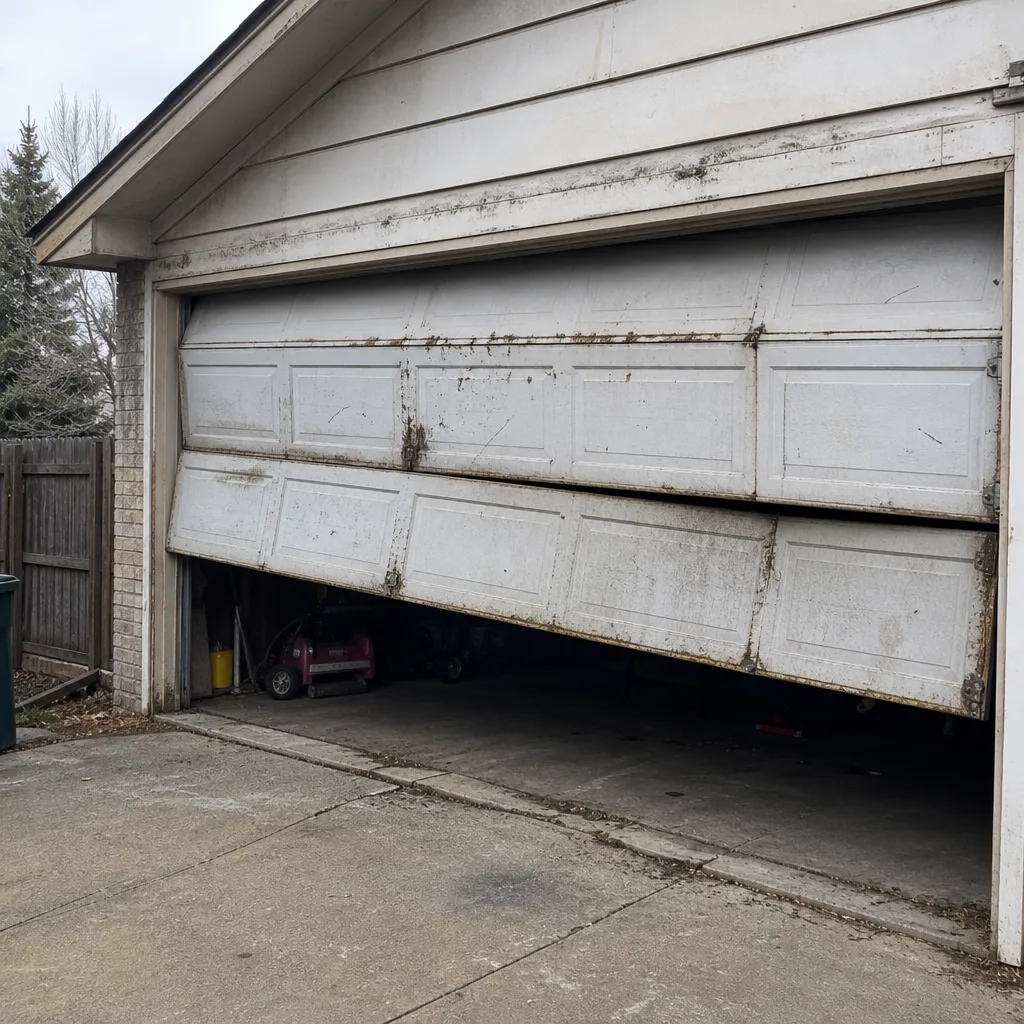 Before
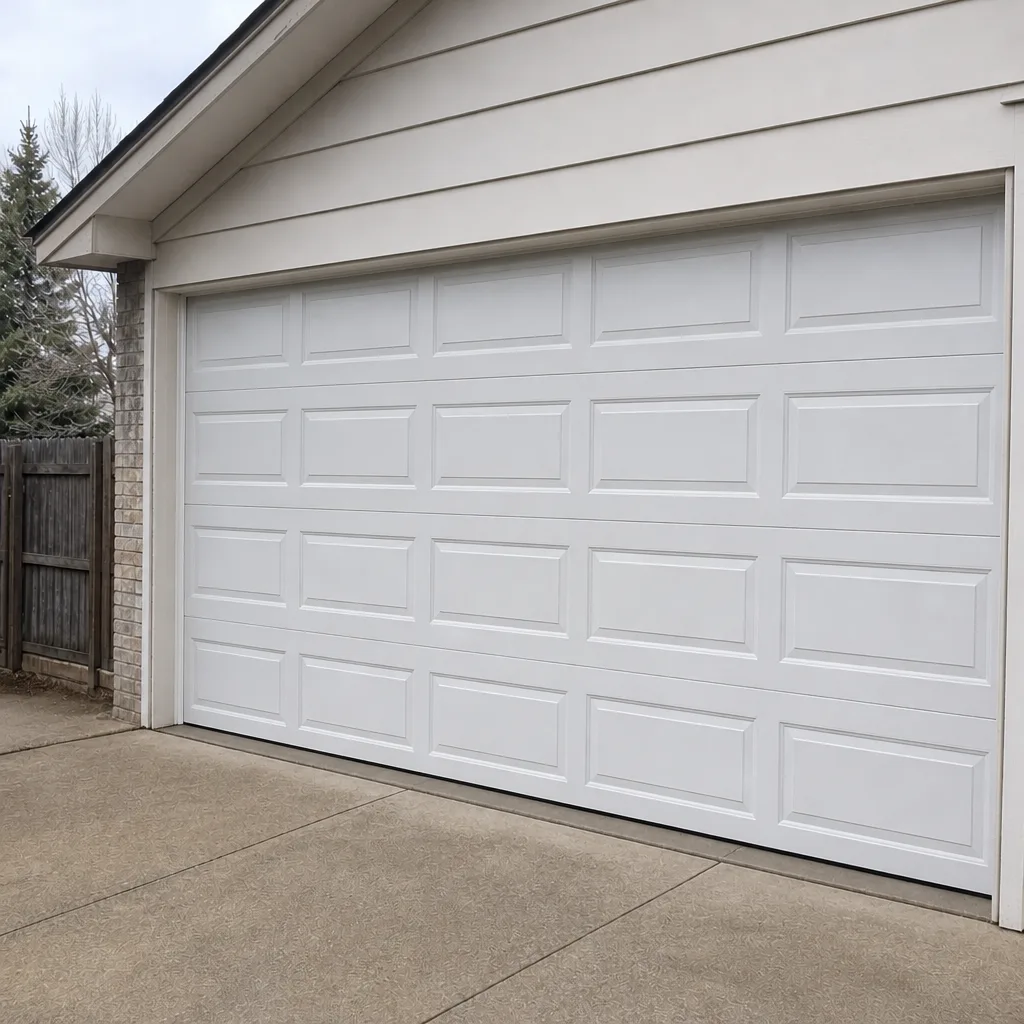 After
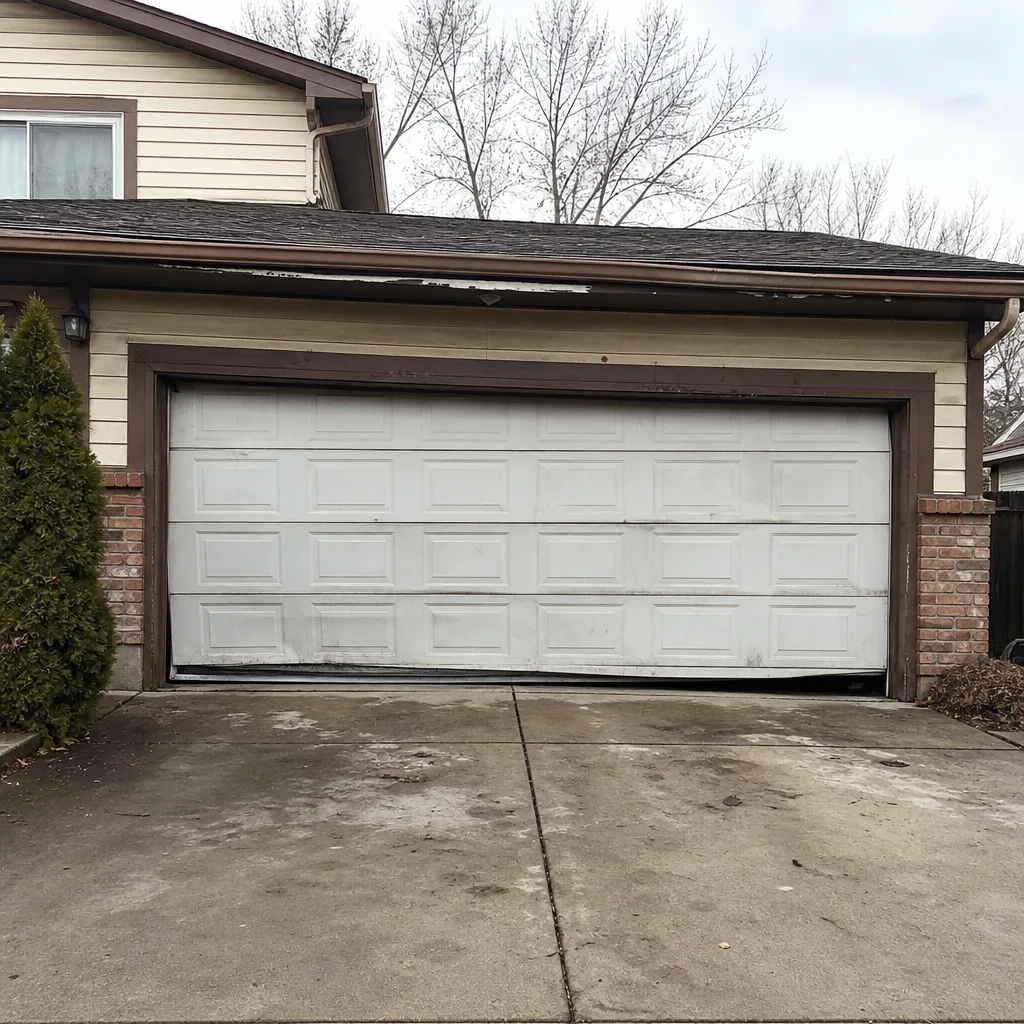 Before
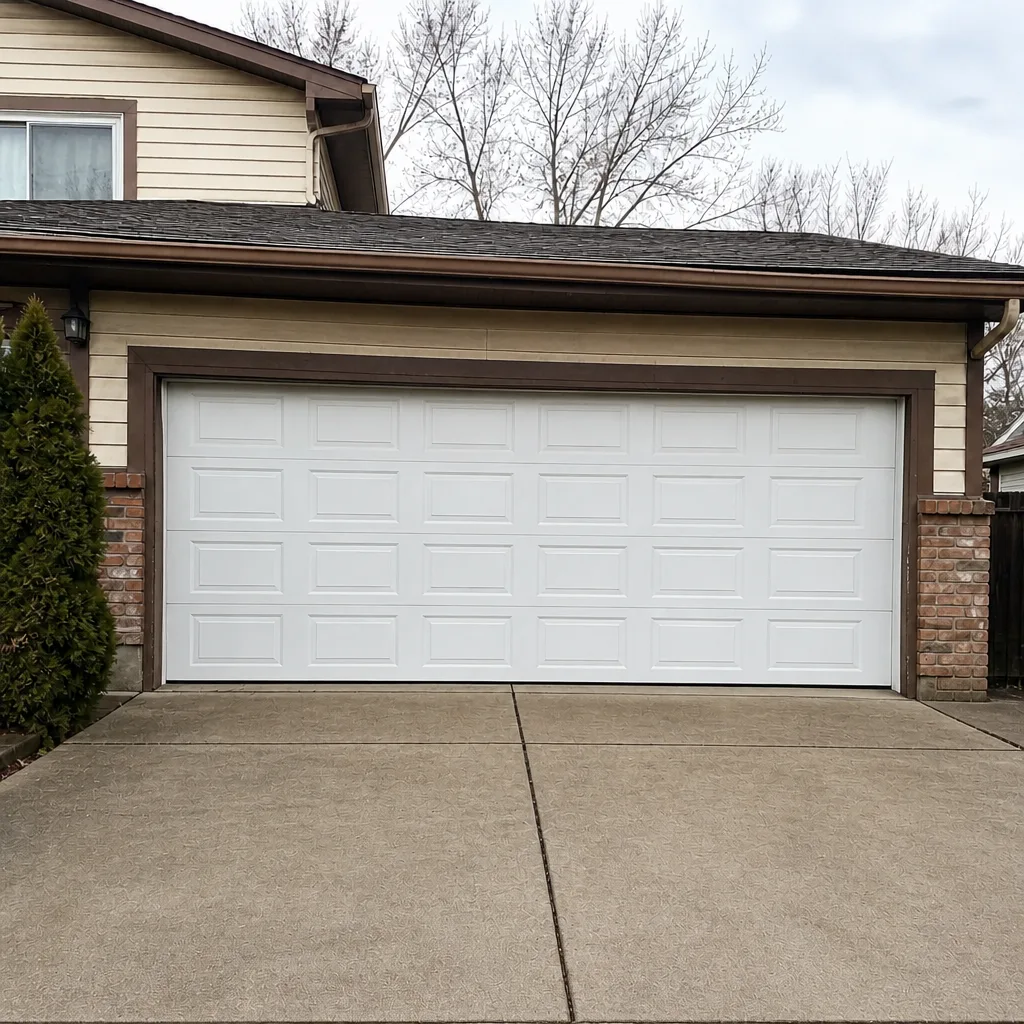 After
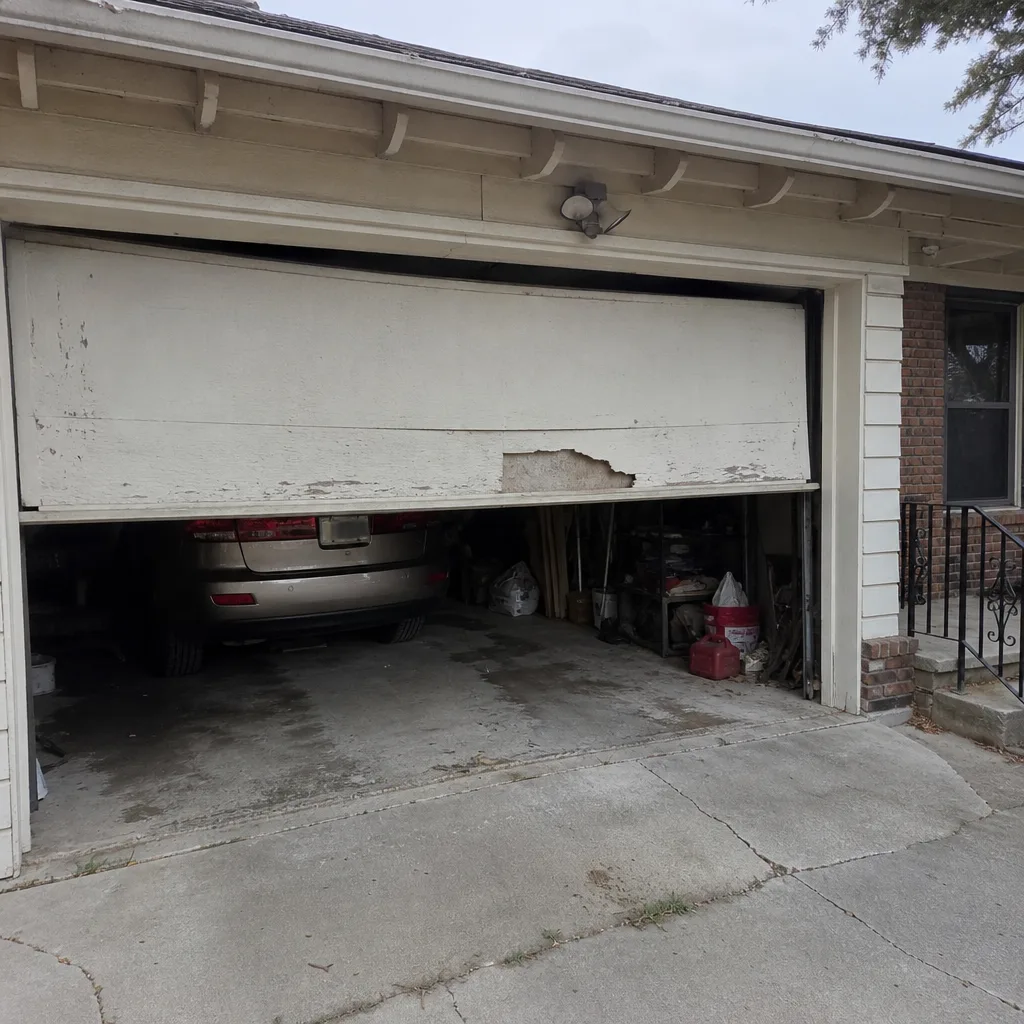 Before
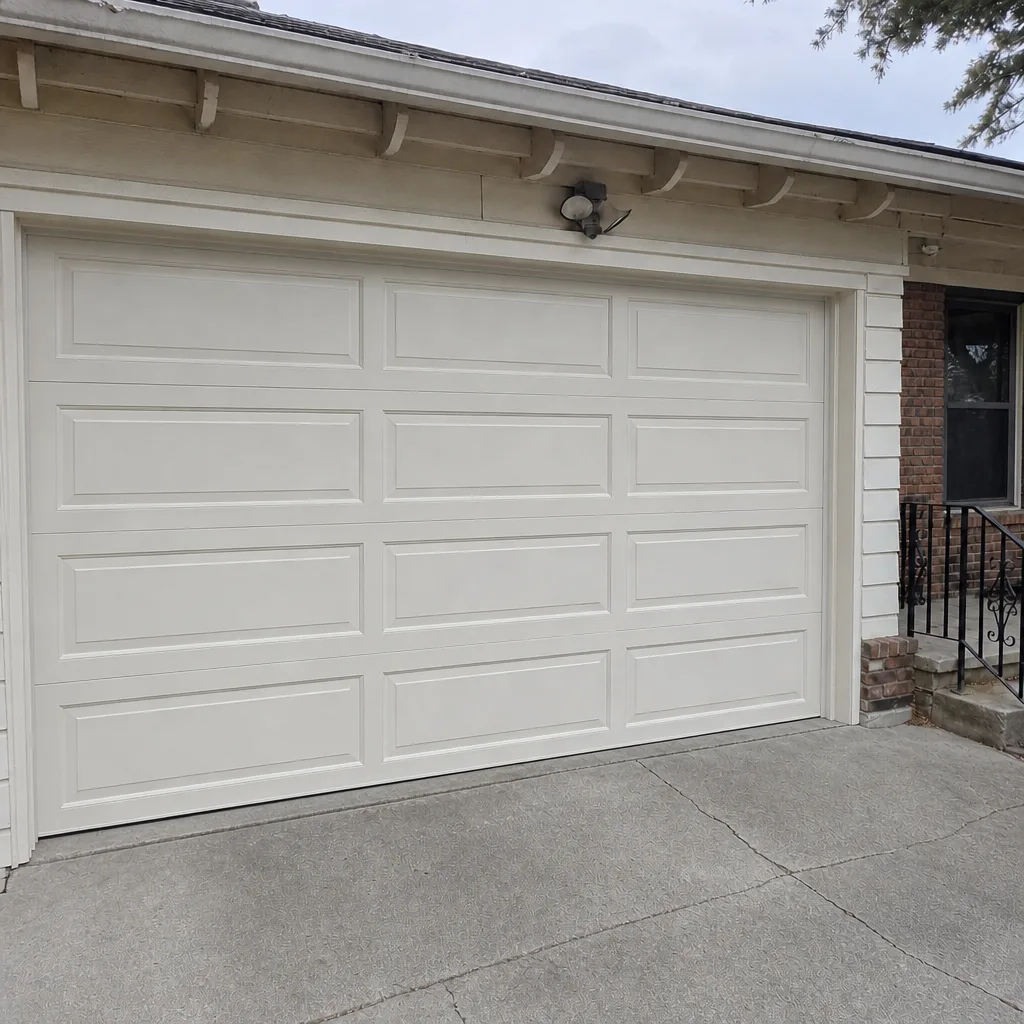 After