Last updated November 23, 2026
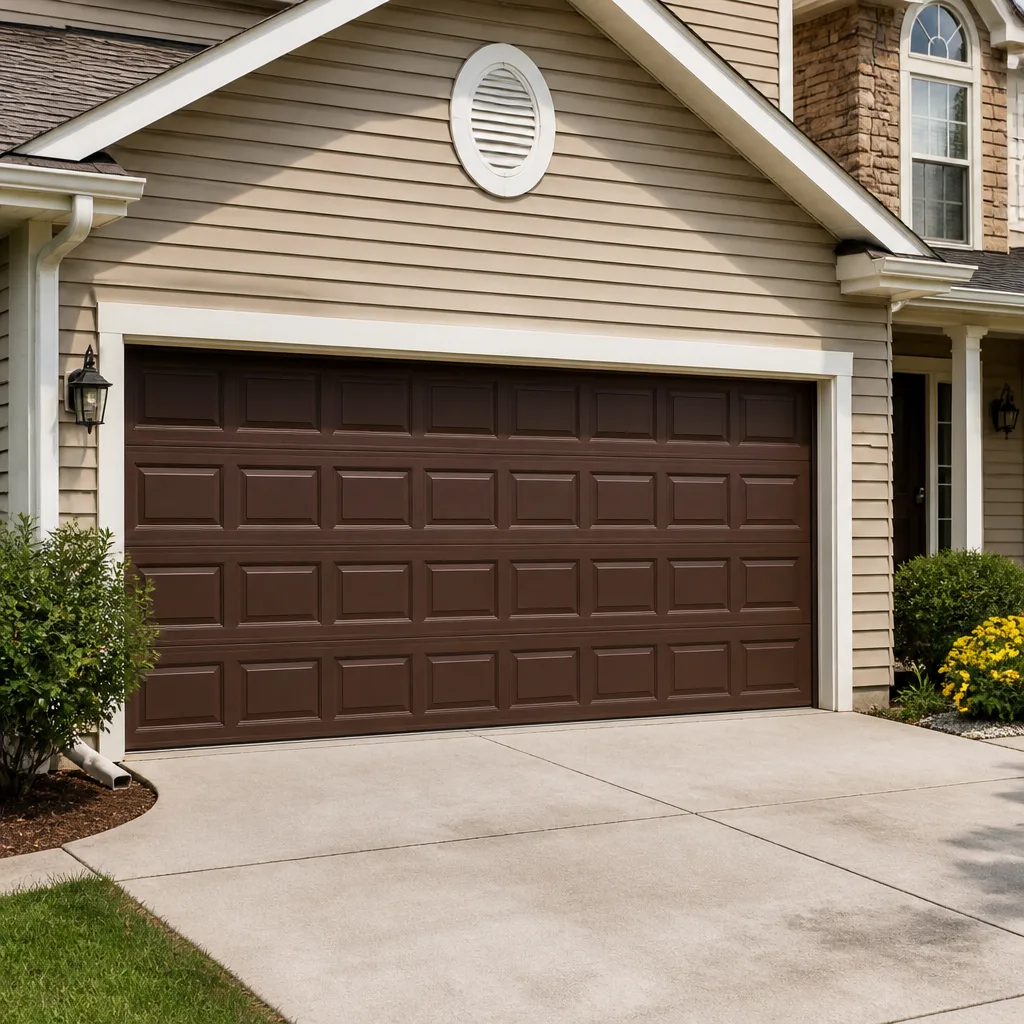 Raised-panel steel
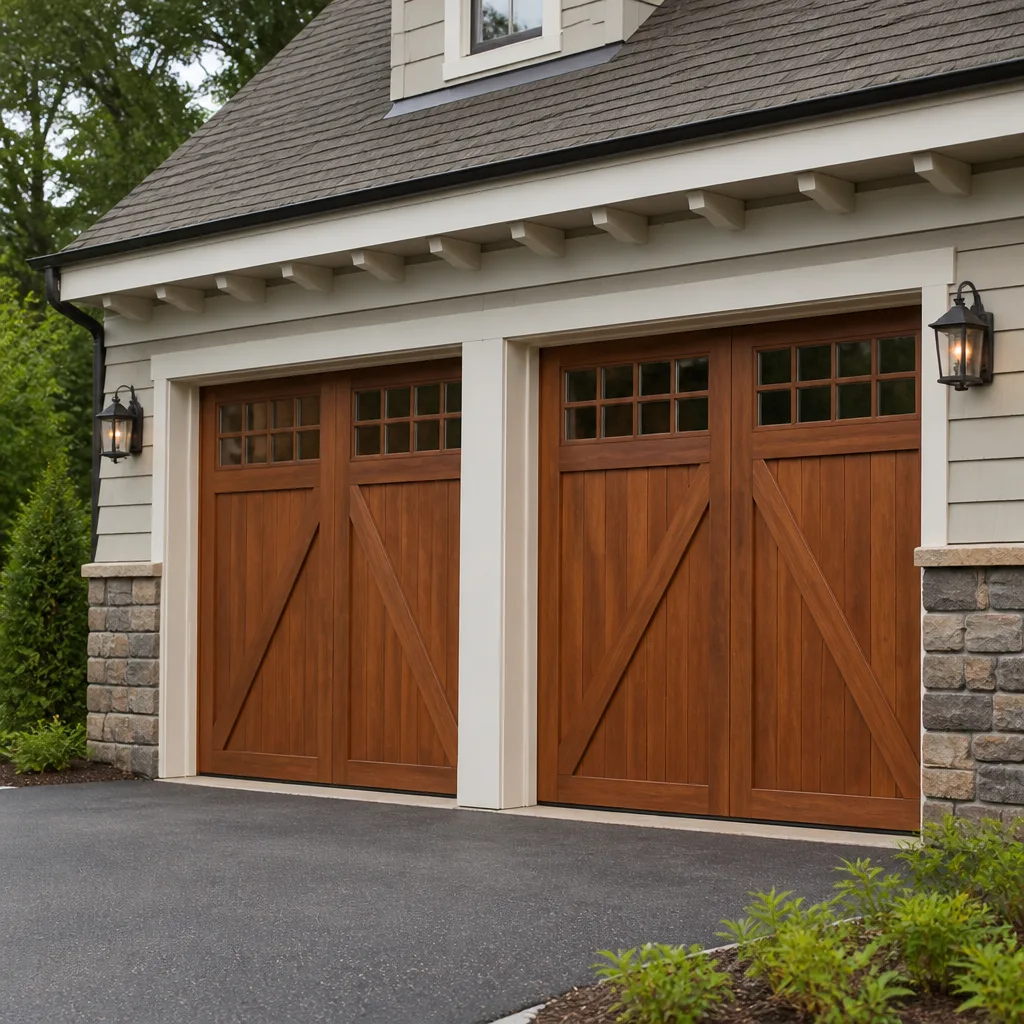 Carriage house
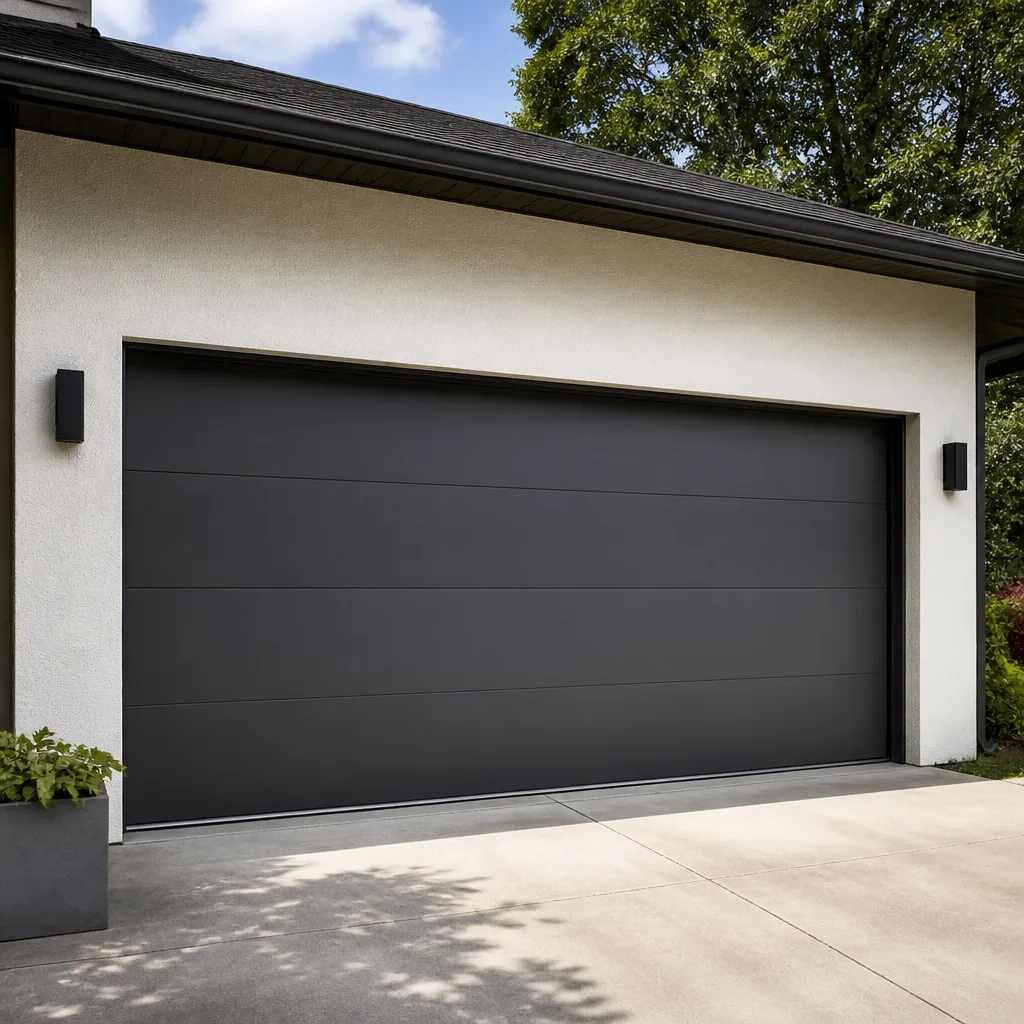 Modern flush
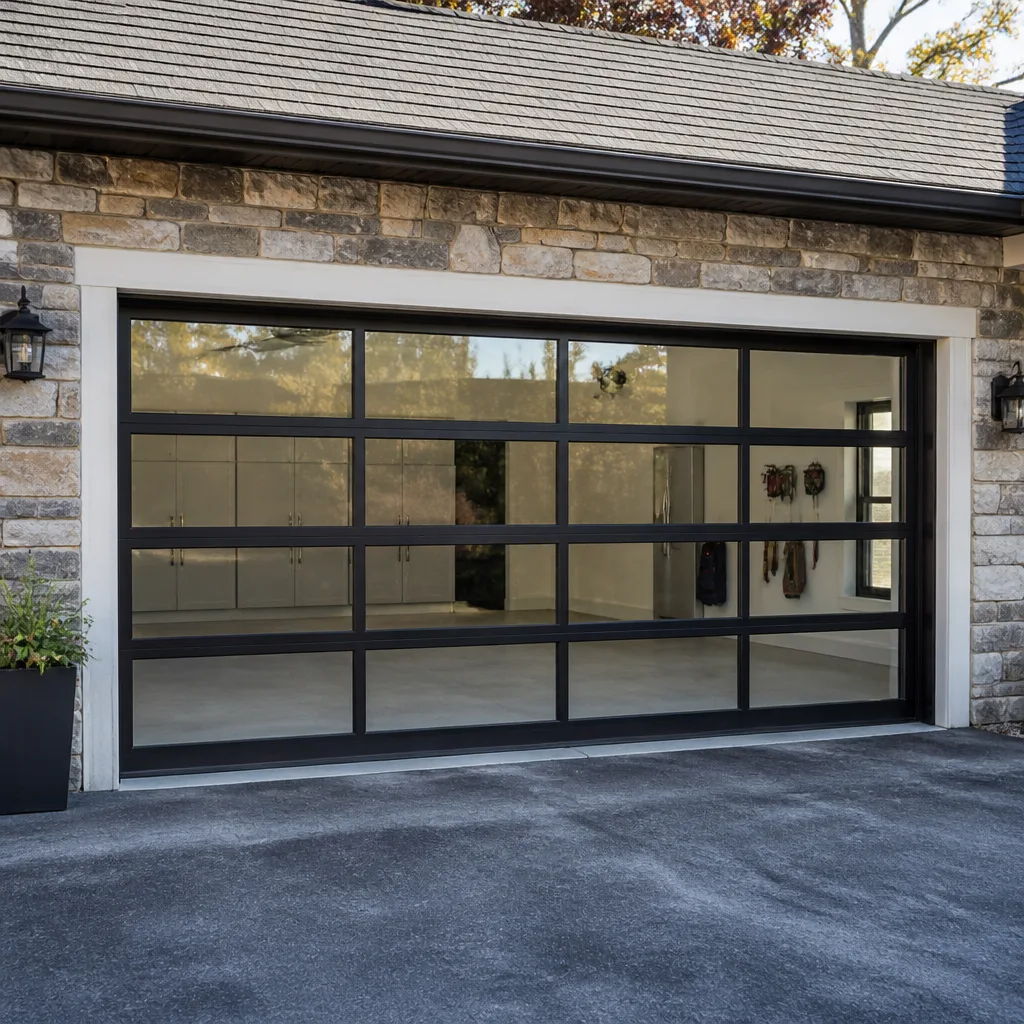 Full-view glass
 LiftMaster openers
 Chamberlain openers
Full 25-point door and opener safety check with every visit - springs, cables, rollers, tracks, and your LiftMaster or Chamberlain opener included
You get a price before we start. It does not change when the pro arrives.
Get your free estimateGarage Door Emergency Preparedness Guide for Dakota Ridge Homes
Most homeowners treat the garage door as an appliance: it works until it doesn’t, and nobody thinks about it in between. The opposite approach is smarter. In Dakota Ridge, the door is the one moving part of the house that gets used several times a day and is also your biggest opening to wind, cold, and whatever is blowing in from the foothills. During the Marshall Fire evacuation in 2021, dozens of Jefferson County residents reported being delayed by garage doors that lost power or malfunctioned under stress. A real preparedness plan takes about ten minutes to set up and costs nothing. This guide walks you through it: manual release, power-outage protocol, wildfire evacuation, winter stuck-door situations, and the paperwork you’ll want in hand when you call. We’ll also cover what you can safely check yourself and what should always go to a trained technician.
Quick Answer
Garage door emergency preparedness for a Dakota Ridge home comes down to four things: knowing how to use the manual release correctly (and how to reset it afterward), having a power-outage plan that includes battery backup or manual locking, keeping your door’s model and brand documentation accessible, and knowing when a problem is a repair call versus a safety hazard that needs a professional immediately. Setup takes about ten minutes and requires no tools beyond a step stool and a phone.
Styles & brands we work with
- Raised-panel steel
- Carriage house
- Modern flush
- Full-view glass
- LiftMaster openers
- Chamberlain openers
Table of Contents
- Why the Garage Door Deserves an Emergency Plan
- How to Use the Manual Release Cord (and the Mistake Most People Make)
- Building a Power-Outage Protocol
- Wildfire and Evacuation: Making Sure the Door Opens Under Pressure
- When the Door Is Stuck Partially Open in Winter
- What to Store So You Can Call for Help at 10pm on a Sunday
- A Ten-Minute Preparedness Checklist
- Frequently Asked Questions
Why the Garage Door Deserves an Emergency Plan
A garage door in Dakota Ridge is asked to do more than most homeowners realize. The wind that rolls off the hogback and down through the neighborhood pushes hard against a panel that weighs 150 to 300 pounds. Add temperature swings that can run 40 degrees between an afternoon and the next morning, and the springs, cables, and opener gears are working against real stress. When they fail, they usually fail without warning.
The reason preparedness matters is that a failed door creates three problems at once:
- Security exposure. A door stuck halfway up leaves your home open to anyone walking past. In a neighborhood with shared driveways and visible sightlines, that’s a real risk within hours, not days.
- Weather exposure. An open garage in a Dakota Ridge winter pulls cold air into the attached house, strains the furnace, and puts any plumbing along the garage wall or in an adjacent utility room at risk.
- Vehicle inaccessibility. If someone in the household has a medical appointment, a caregiving responsibility, or needs to leave for school or work, a stuck door turns into a scheduling problem fast.
We’ve seen all three at once more times than we’d like. The fix usually starts with a trained tech, but the first five minutes are on the homeowner. That’s the part this guide covers.
How to Use the Manual Release Cord (and the Mistake Most People Make)
Every residential opener made by LiftMaster, Chamberlain, Genie, Craftsman, or any other major brand has a manual release cord that disconnects the door from the opener so you can raise it by hand. It’s the single most useful emergency tool on your door, and it’s also the one most homeowners use incorrectly.
What the cord actually does
The cord hangs from the trolley that rides along the opener rail on the ceiling. Pulling it straight down (usually with a firm tug) releases the trolley from the door’s carriage arm. Once released, the door will not respond to the opener at all. You can lift the door by hand to open it, or lower it by hand to close it.
The mistake: leaving the door disconnected
Here’s the part people miss. After you use the manual release, the door needs to be reconnected to the opener before it will work again. The reconnect happens by pulling the release cord back toward the door or by running the opener once (depending on the model), which re-engages the trolley with the carriage. If you use the manual release to open the door during a power outage, close it by hand later, and forget to reconnect, the next time you press the remote, nothing happens. The opener runs, the chain moves, and the door doesn’t move. That’s not a broken opener, and it’s not a broken door. It’s an un-reconnected trolley. Before you call for garage door opener repair, try the reconnect.
How to do it safely
- Pull the cord straight down firmly and quickly. Don’t ease it.
- Lift the door about halfway, then let go. If the door falls on its own, the springs or cables are compromised and the door should not be used. Call for help.
- If the door stays where you leave it, the balance is fine. Lift it the rest of the way.
- When you’re done, close the door by hand, then follow the opener’s reconnect procedure or press the wall button once. Test with the remote.
A safety note: never put a hand, tool, or finger anywhere between the door panels or in the track. A door that’s suddenly moving under spring tension can crush a hand in under a second. If the door won’t lift or falls hard when you let go, leave it closed and call.
Building a Power-Outage Protocol
Power in Dakota Ridge goes out for reasons that range from a wind event on the ridge to a substation issue to a rolling outage during peak load. Whatever the cause, the door becomes your responsibility the moment the opener loses power. A protocol written on the inside of the garage-to-house door makes the response automatic.
Battery backup openers
Several current LiftMaster and Chamberlain models ship with integrated battery backup, and some are sold ready to add a backup battery. If your opener has this feature, it will typically run the door a limited number of cycles after the power drops, which is enough to get out and back in, not enough to last a multi-day outage. Test it twice a year by flipping the breaker that feeds the opener and opening the door once. If it doesn’t run, the backup battery is dead and needs replacing before winter.
Manual lock positioning
Older doors have a sliding or turn-knob lock on the inside of one bottom panel. When the door is properly closed and locked, that lock engages the track and prevents the door from being pushed up. In a normal outage you’ll use the manual release to open and close. If you’ve lost the manual release cord or the trolley won’t reconnect, the manual lock is your backup for keeping the door shut overnight.
Securing the door when it won’t close
If the door is stuck open and you can’t get it down before nightfall, a few temporary options exist:
- Lower the door manually as far as it will go and lock the track side with a C-clamp below the bottom roller (never on the roller itself).
- If the door has a malfunctioning sensor, one common cause is that the safety eyes near the floor have been knocked and are no longer aligned with each other. Straightening them often lets the door close.
- If the door travels down and reverses on its own, the opener is probably reading an obstruction or a sensor is blocked. Don’t force it down. Call for help.
If none of these work, an emergency call is the right move. Our Garage Door Repair Dakota Ridge team takes the urgency seriously and can talk you through options over the phone while you wait.
Wildfire and Evacuation: Making Sure the Door Opens Under Pressure
Having an evacuation plan that assumes the door will cooperate isn’t really a plan. If you’ve never tested it, you don’t know. Two quick drills twice a year cover it: once in spring before fire season, and once in fall before winter storms.
Drill 1: manual release under pressure
With the power on (this is just practice), stand inside the garage and pull the manual release cord. Lift the door by hand. Note: does it move easily? Do you have to strain? Does it feel heavier than it did a year ago? A door that used to lift with one hand and now takes two is telling you the springs have lost tension. Address it before fire season, not during.
Drill 2: outage simulation
Flip the breaker that feeds the opener. Try to open the door with the remote (it won’t). Pull the manual release. Open the door. Pull the car out. Close the door by hand. Reconnect the trolley. Restore power. Test the remote. This should take under two minutes. If it takes you longer to figure out, that’s a problem to solve now, not at 2am on an evacuation order.
If the door fails during an actual evacuation
Don’t spend time troubleshooting. If the door won’t open and there’s an evacuation order, leave through another exit. Take your go-bag, take your phone, take pets and IDs. A garage door is replaceable. If time permits and the failure is the un-reconnected trolley, a quick re-engage is worth trying. Anything else is a call for garage door repair after you’re safe. We’d rather fix a door two days later than hear about a neighbor who waited too long.
When the Door Is Stuck Partially Open in Winter
A Dakota Ridge winter will throw snow and ice at the door, and the failure mode is consistent: the door travels down, hits packed snow or a small ice ridge at the threshold, senses resistance, and reverses to the open position. Then you can’t get it to close because every attempt hits the same obstruction.
Or the door stops halfway for another reason: a cold-thickened grease on the rollers, a frozen torsion spring, or a limit setting that no longer matches the door’s travel after the metal contracted in the cold. Whatever the cause, a partially open door in the dead of winter creates two problems to solve in order.
Problem 1: Security
An open garage in a cold snap is a window into your home. Cover the gap with a tarp from the inside, weighted at the bottom, while you wait for repair. Don’t rely on the opener to hold the door down overnight; it can’t.
Problem 2: Pipe-freeze risk
Attached garages share a wall with the house. A garage that drops to outdoor temperature pulls heat off the interior wall and puts any plumbing in that shared wall (common in Dakota Ridge homes built with a utility room or laundry backing into the garage) at real risk within a hard freeze. Close the door between the garage and the house, close any vents between them, and open the faucets on that shared wall to a slow drip until the door is fixed.
What you can try yourself
- Clear snow and ice from the threshold where the safety sensors look across the opening.
- Check that the sensors near the floor are still pointed at each other and the small indicator lights on each are lit.
- Check that nothing has fallen from a shelf or storage rack onto the door track.
- Open and close the door slowly with the wall button and watch what happens. Where does it stop, and what does it do as it approaches the obstruction?
If the door won’t close cleanly after clearing the threshold, or if you see a visibly sagging cable or a coil that looks unseated, stop using the door. Torsion springs and cables hold serious tension even in cold weather; a trained tech is the only safe way forward. Our garage door spring repair work is a dedicated service, not an afterthought, precisely because of these situations.
What to Store So You Can Call for Help at 10pm on a Sunday
When the door fails at a bad hour, the last thing you want is to be crawling around the garage looking for a sticker. Gather the following once, put it in a manila envelope inside the house (not in the garage where it can be soaked by a leaking roof or smelled by a curious pet), and get comfortable with it. Have it handy before you dial.
- The make and model of your opener. LiftMaster, Chamberlain, Genie, Craftsman, Wayne Dalton, Amarr, Raynor, and Clopay all use different programming and troubleshooting procedures. The brand and model tell the technician what they’re working on before the truck leaves.
- The make of the door itself. Printed on a sticker inside the jamb, or on the back of the top panel.
- The approximate age of the door and the opener. Not the install date if you don’t have it. A five-year-old door and a fifteen-year-old door get different diagnostic first questions.
- Whether it’s a torsion or extension spring system. Take a photo of the spring above the closed door. On a torsion system, you’ll see horizontal springs on a bar above the door. On an extension system, you’ll see springs alongside the tracks.
- Your local emergency-contact number. Write it inside the envelope. If you use a company’s emergency line, put the number on a magnet on the inside of the door to the house so it’s visible from inside the garage.
Take a photo of the front of the opener and a photo of the spring at the same time, and text them to yourself. That way, if you’re calling after a long day, you’re not relaying a model number from memory. Following this step saves both time and misdiagnosis.
A Ten-Minute Preparedness Checklist
This is the plan. Run it once and set a reminder to repeat it every fall before the first freeze and every spring before fire season.
- Locate the manual release cord. Confirm you can reach it without a ladder and that the cord hangs to about shoulder height or below.
- Pull the cord, lift the door by hand, and note whether it holds its position when you let go. A door that falls on its own has a spring or cable problem and needs a technician.
- Reconnect the trolley (per your opener’s manual or a quick call to us) and test with the remote.
- Flip the breaker to test battery backup, if you have it. If not, write “manual release only” on the inside of the house door.
- Locate the manual slide or turn-knob lock on the door, if you have one. Confirm it moves freely.
- Photograph the opener label, the door make sticker, and the spring above the closed door. Store in your phone and in a paper envelope.
- Write down the emergency number you’ll call. That’s (855) 337-2081 for us, but any reliable garage door specialist number works. The point is knowing it before you need it.
- Walk to the inside of the garage door to the house and confirm it closes and latches freely in case you need to shut it from the inside.
- If you’re in a wildfire evacuation zone, practice opening the door manually with the car already in the driveway.
- Once a year, look up at the springs. If you see rust, a visible gap in the coil, or a noticeably sagging cable, call for a service visit before something fails.
Common Mistakes to Avoid
- Assuming the manual release is permanent. It isn’t. The trolley must be reconnected or the opener won’t move the door. Many homeowners call for emergency repair after a power outage when the actual fix is a five-second reconnect.
- Storing the manual release cord at head height or higher. Nobody should need a ladder in a blackout. If your cord ends above shoulder height, tie an extension to it.
- Trying to force a stuck door open or closed. If the tension is wrong, forcing it can snap a cable or drop the door. Leave it and call.
- Ignoring a door that falls when released. A door that won’t stay where you put it has a spring or cable problem. This is the exact condition the manual release cannot help with, and it’s the one that causes injuries. Call before you use it again.
- Assuming a battery-backup opener is fine because it worked last year. Test it. Backup batteries die quietly, especially after a Dakota Ridge winter where the opener saw dozens of cycles in sub-freezing temperatures.
- Skipping the paperwork step. In our experience, the hardest emergency calls are the ones where the homeowner can’t tell us the make or model. It doubles the diagnostic time and often means a second visit.
- Assuming a stuck door will fix itself. A door that behaves oddly today is more likely to fail tomorrow than to heal. On a Wayne Dalton or Amarr door that’s older than a decade, a wobble now becomes a broken spring later. Get it looked at.
See the difference
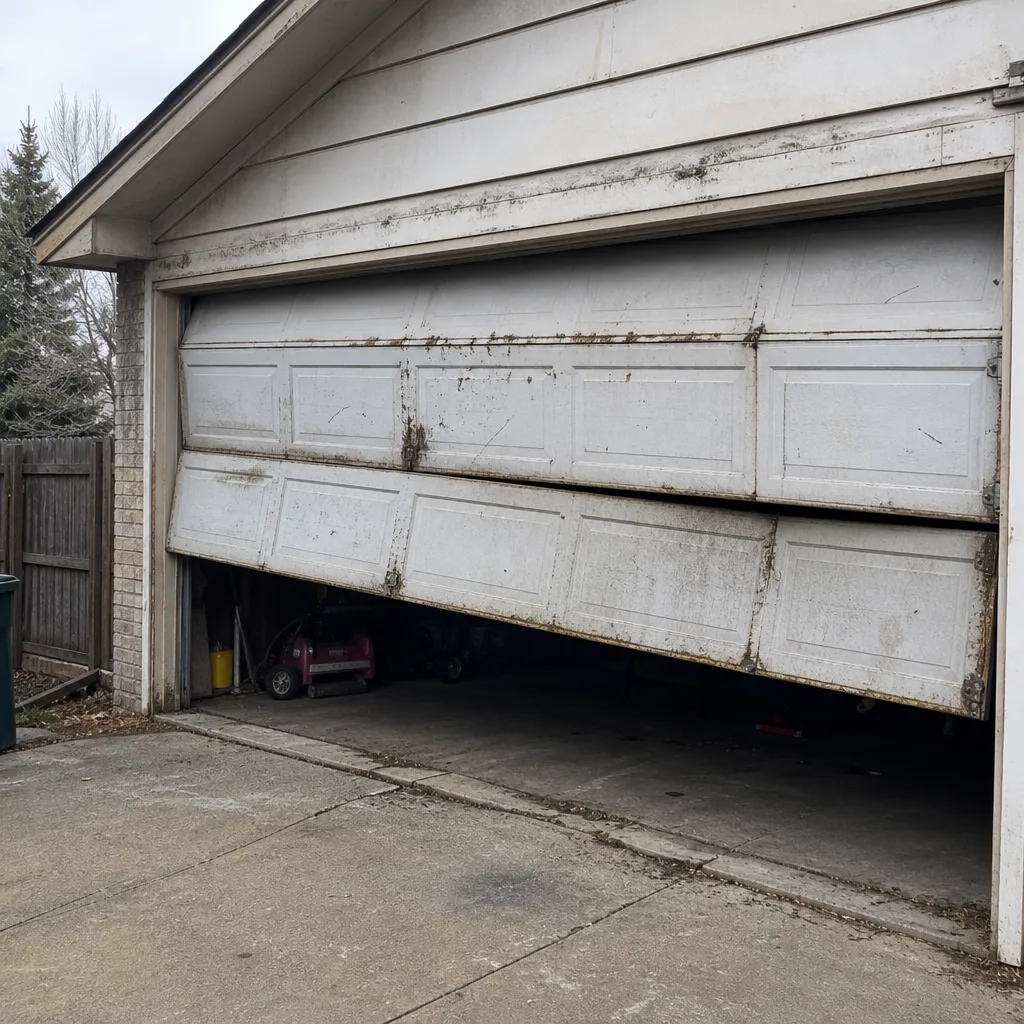 Before
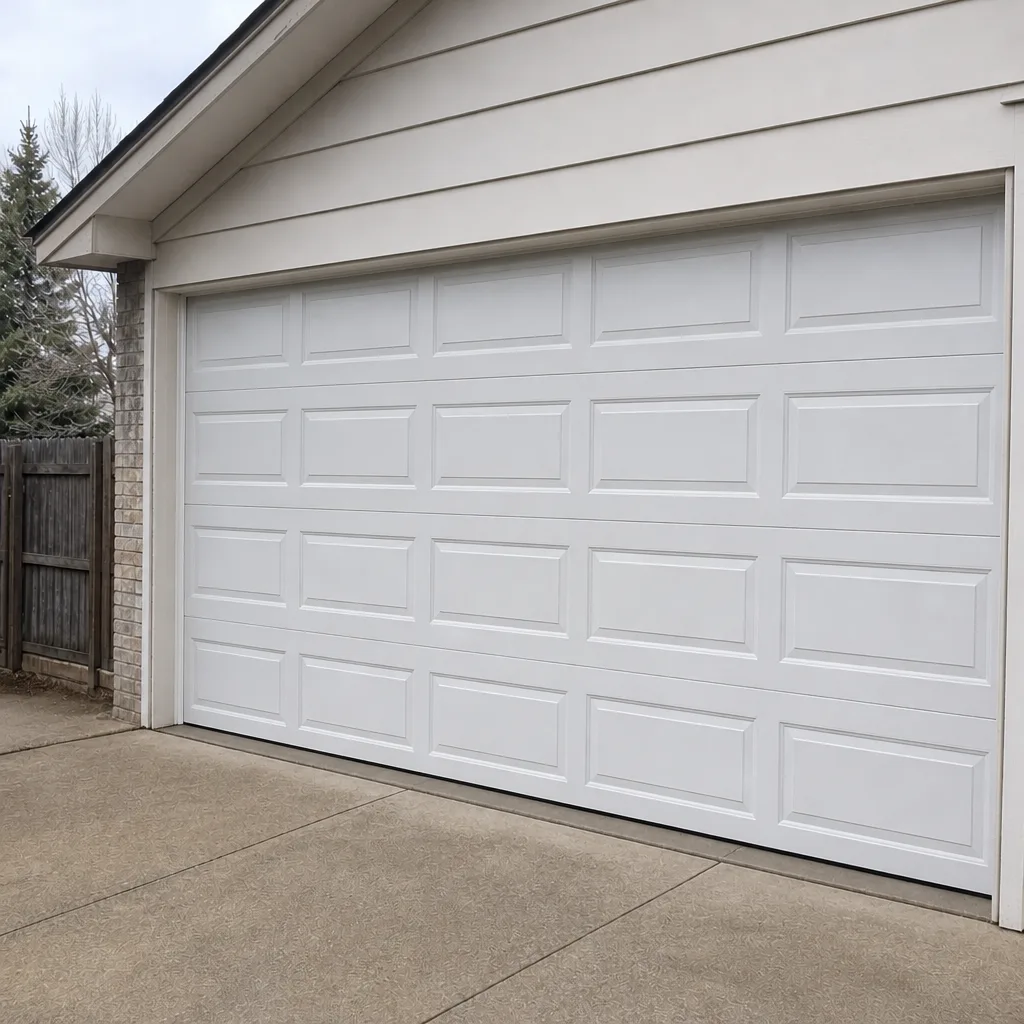 After
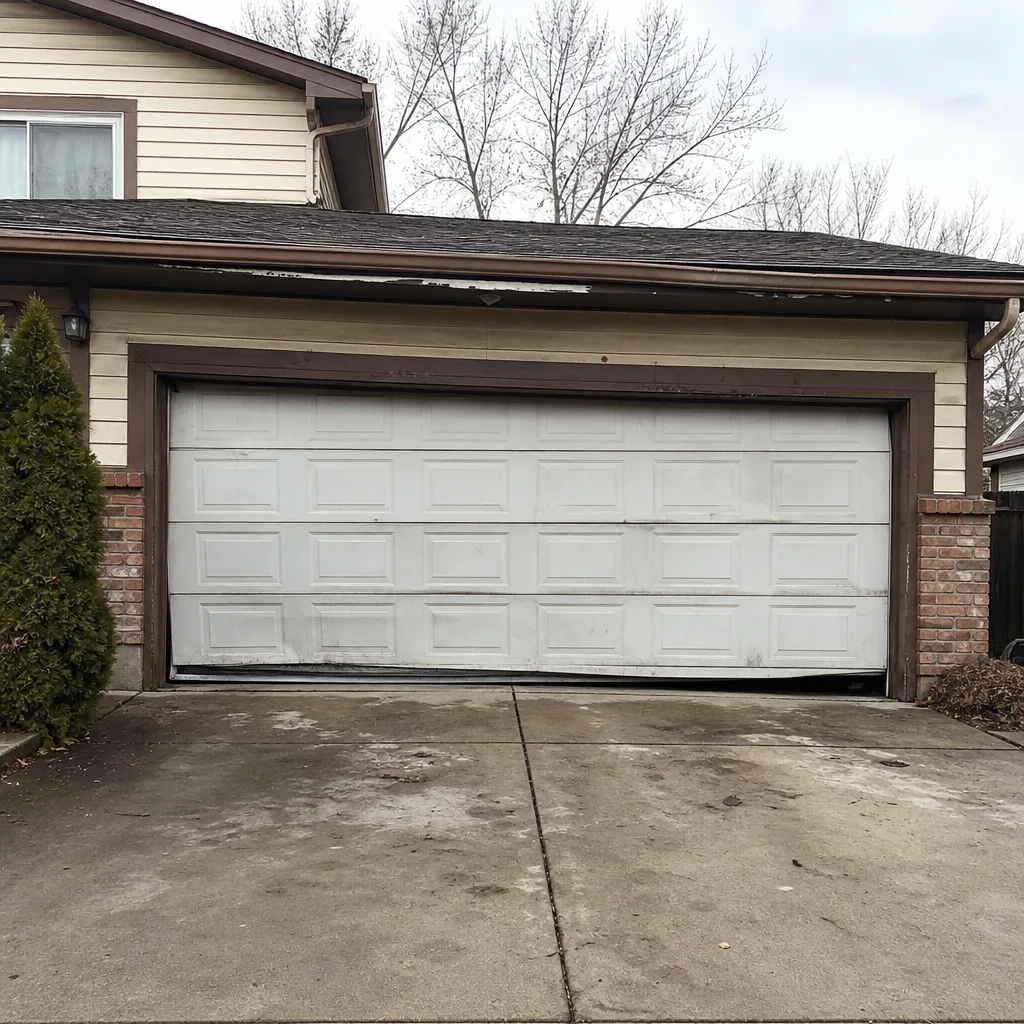 Before
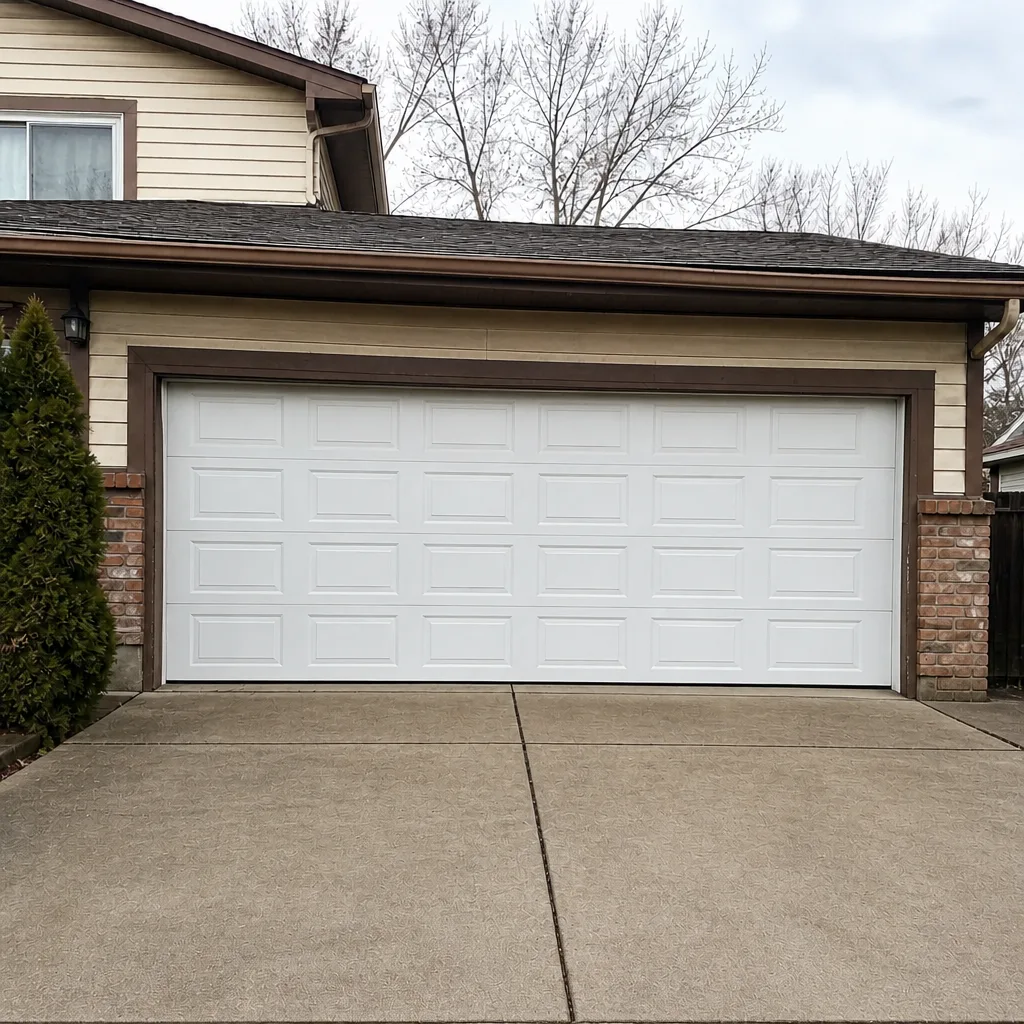 After
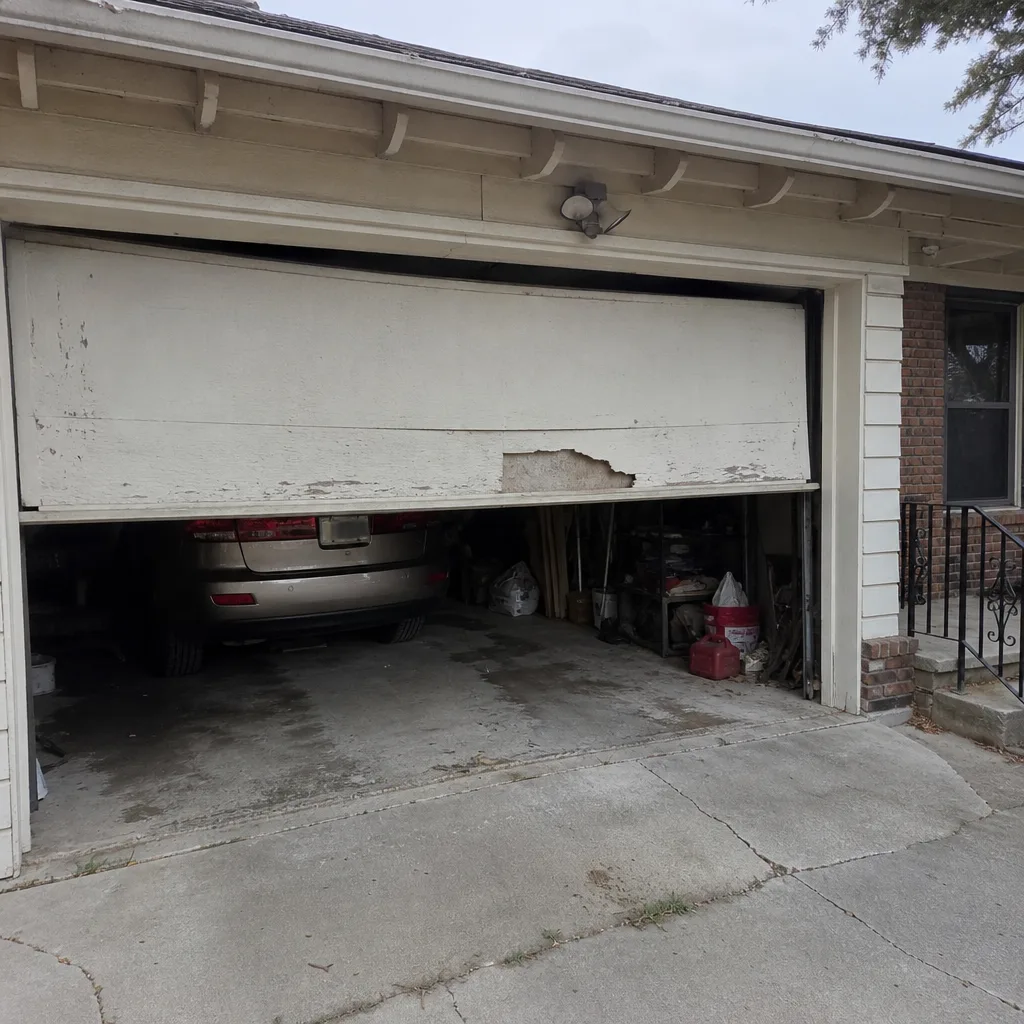 Before
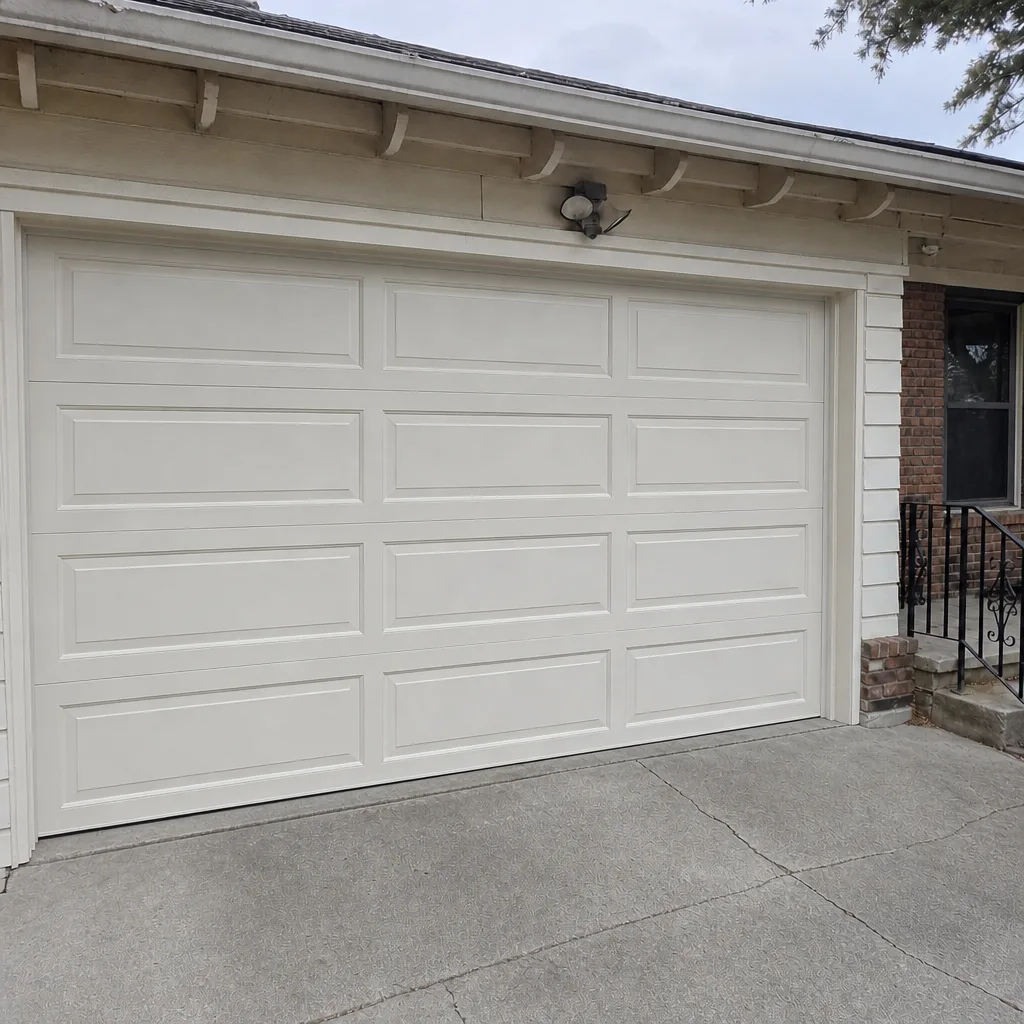 After
When to Call a Professional
Some situations are safe to handle yourself. Others need a trained technician, and knowing which is which is the whole point. Call for a professional if the door falls on its own when you let go of it, if a spring is visibly broken or has a gap in the coil, if the door won’t close cleanly no matter what you clear from the threshold, if the cables look frayed or slack on one side, if the opener runs but the door doesn’t move (unless you know the trolley is un-reconnected), if the door is off its track or leaning in the opening, or if you’ve used the manual release and can’t get the door to re-engage. These are not handyman problems. They’re spring, cable, and opener-system problems, and they’re the ones our team handles as a dedicated service. Garage Door Repair Dakota Ridge offers free estimates in Dakota Ridge. Call (855) 337-2081.
Frequently Asked Questions
Pull the manual release cord hanging from the opener trolley straight down firmly, then lift the door by hand. If the door holds its position when you let go, the springs are fine and you can open it fully. If it falls on its own, the springs or cables are compromised and you should not use the door. Call (855) 337-2081 for an exact quote on a repair.
The trolley is probably still disconnected from the door carriage. After you close the door, follow the opener’s reconnect procedure (usually a hard pull on the release cord in the opposite direction or one press of the wall button), then test with the remote. If the opener runs and the door still doesn’t move, the reconnect didn’t take, or the opener’s travel limits have shifted. Call us for a free estimate.
Usually, yes. Spring repair, cable replacement, and many opener repairs are same-day work when scheduled through our emergency service. It helps to have the door’s make and model on hand so the technician arrives prepared. Call (855) 337-2081 for an exact quote; estimates are free.
No. A door with a broken spring is unbalanced, extremely heavy, and can drop without warning. Do not try to lift it. Do not try to push it up with a broom or a tool. Leave it closed, secure what you can from the inside, and call for a professional. Springs are the most dangerous component on the entire door, and they can cause serious injury even when you’re being careful.
The opener’s make and model, the door’s make (if you can find the sticker), the approximate age of the door and opener, whether the springs are torsion or extension, and a photo of the door as it’s stuck. That information shortens the diagnostic and often saves a second visit. Call (855) 337-2081 and we’ll walk you through it.
No. The technician inspects the door, explains what’s wrong, and quotes a price before any work begins. Nothing happens until you agree to the number. The written estimate sets the final price. Call (855) 337-2081 for a free estimate.
The Bottom Line
Emergency preparedness for your Dakota Ridge garage door comes down to a handful of habits: know how to use the manual release, know the reconnect step afterwards, test your battery backup before winter, keep your door’s make and model in your phone, and know the emergency number before you need it. Set a reminder for the fall and spring and run through the ten-minute checklist. The rest of the time, treat the door’s small problems as early warnings rather than background noise. A wobble, a strange noise, or a door that feels heavier than a year ago is telling you something. Our technicians have up to 9 years of experience diagnosing exactly these signals, and every repair starts with a free estimate. When something goes wrong, we’re the specialist to call.
Whether you’re preparing for the next outage or the door is already stuck open, we can help. Call (855) 337-2081 for a free estimate from the team at Garage Door Repair Dakota Ridge.
Written by the team at Garage Door Repair Dakota Ridge.