Last updated November 23, 2026
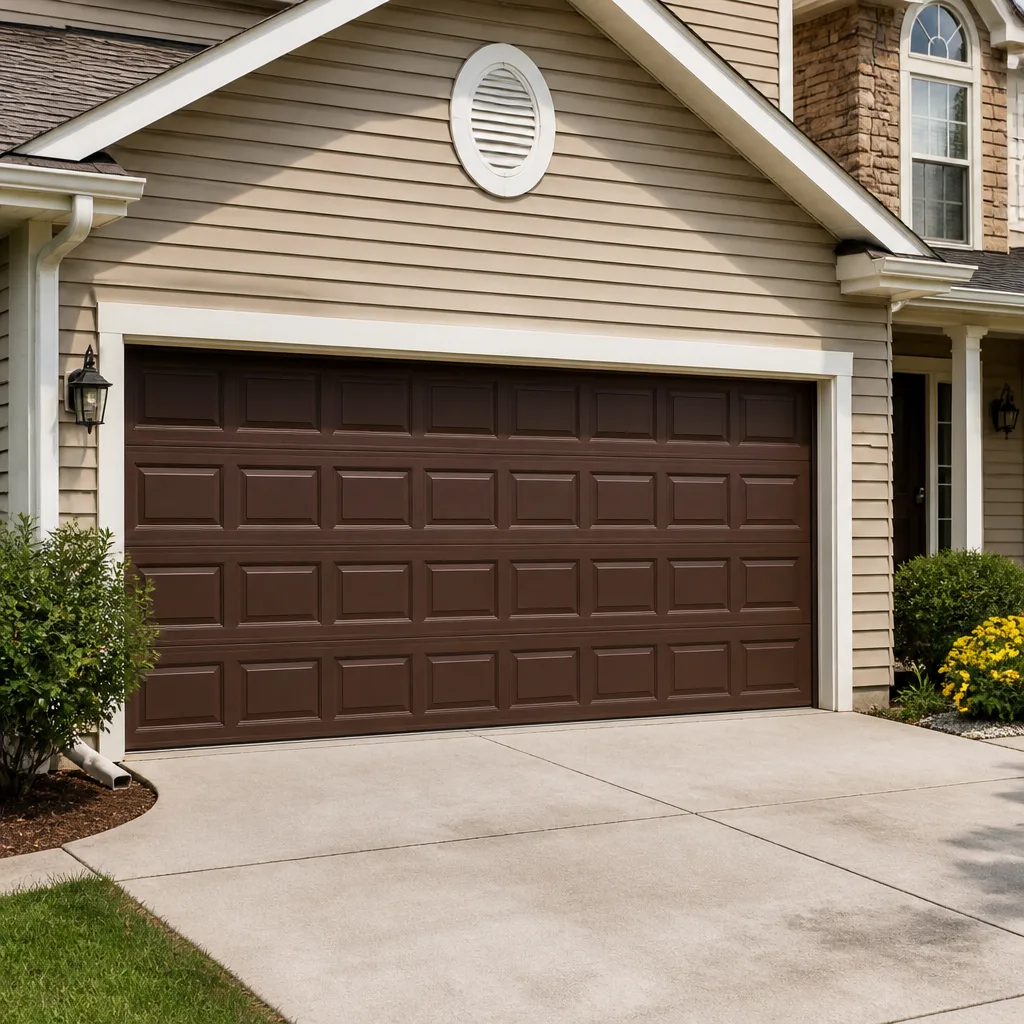 Raised-panel steel
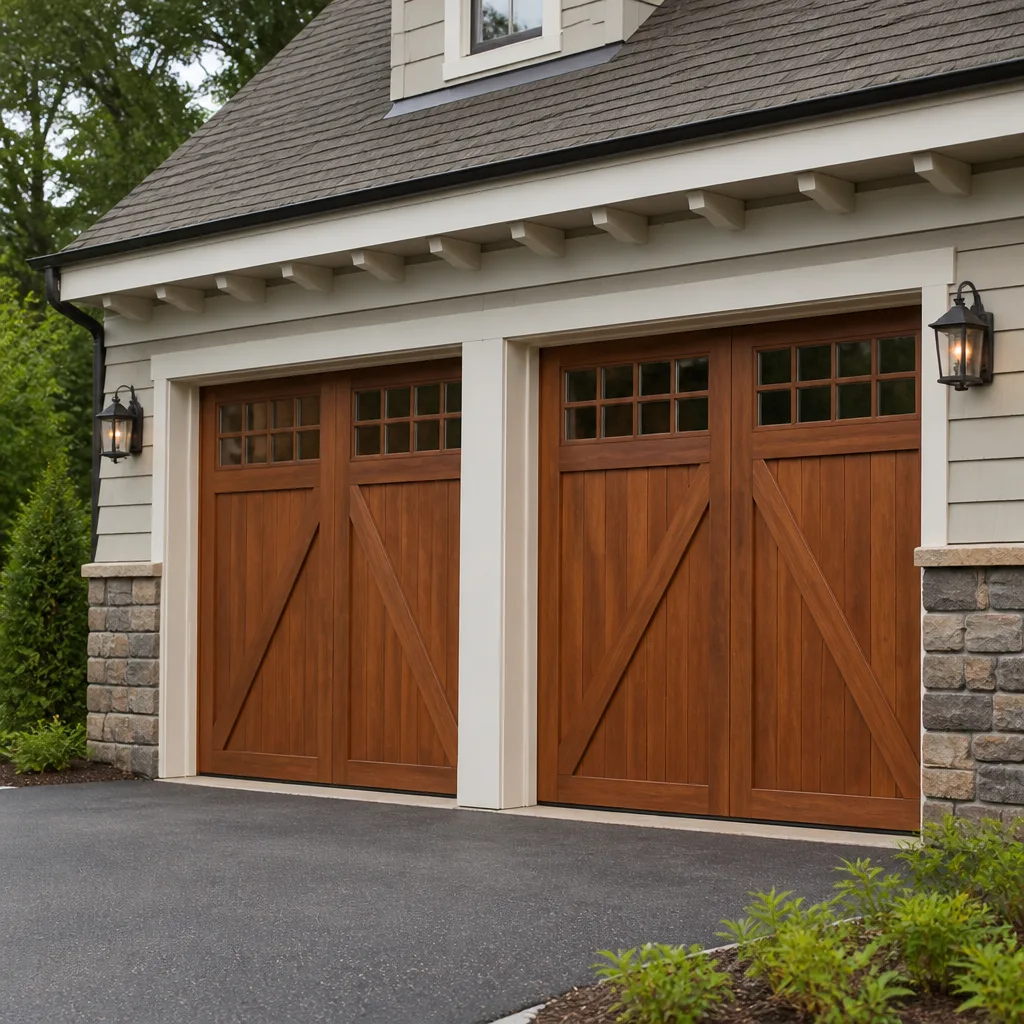 Carriage house
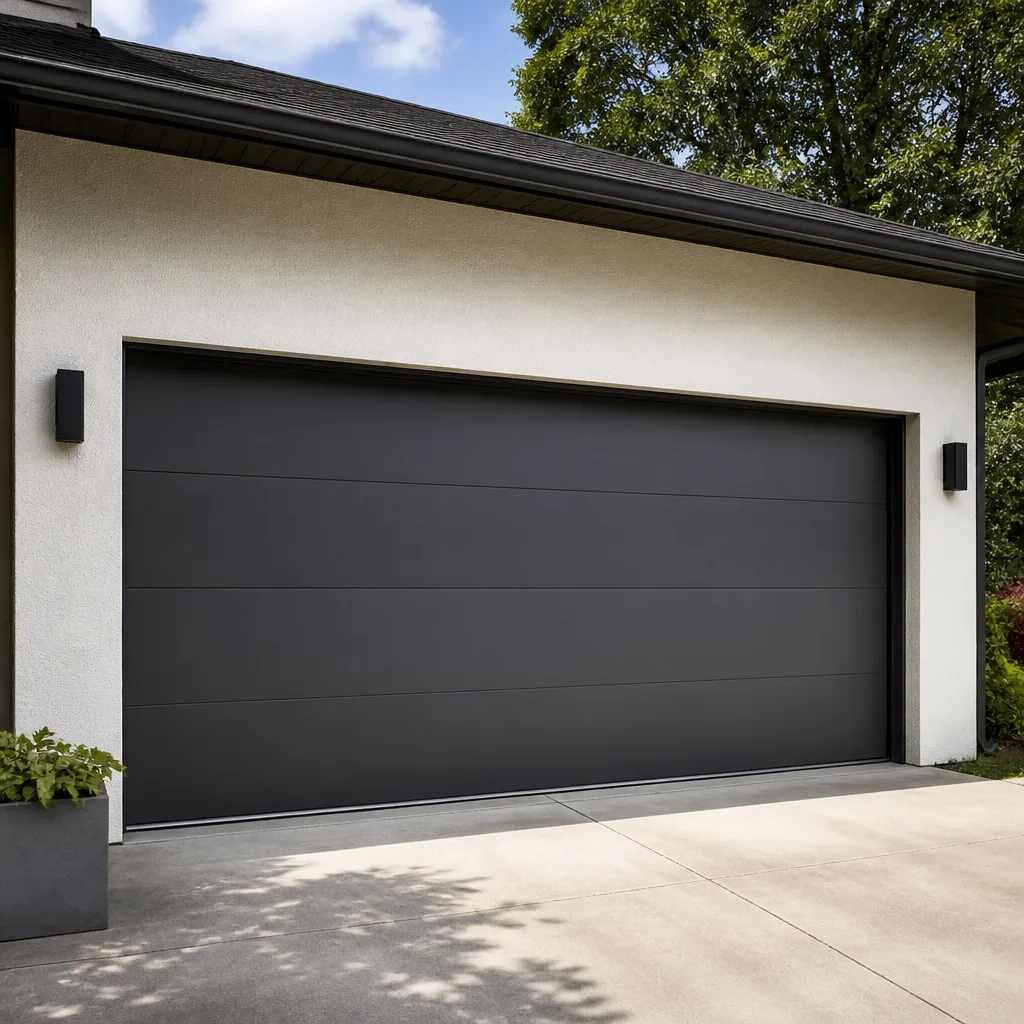 Modern flush
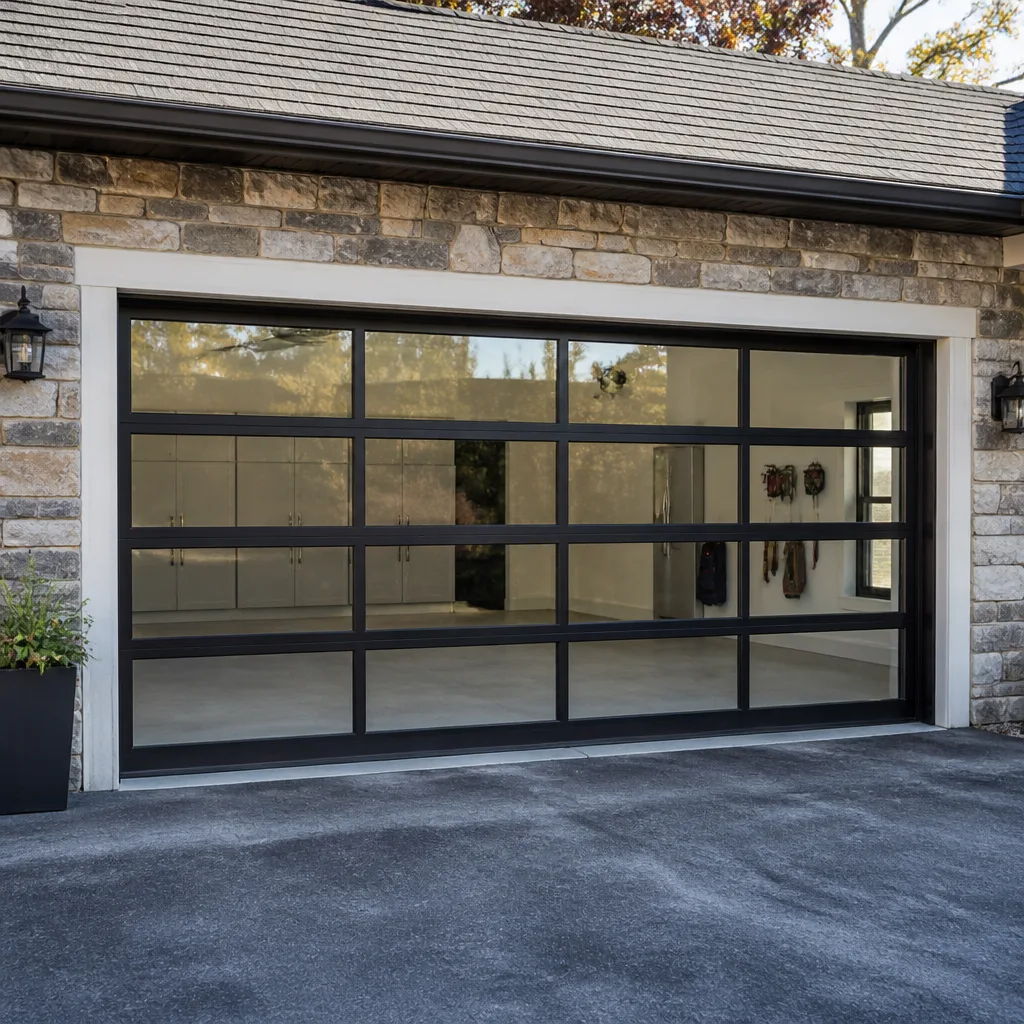 Full-view glass
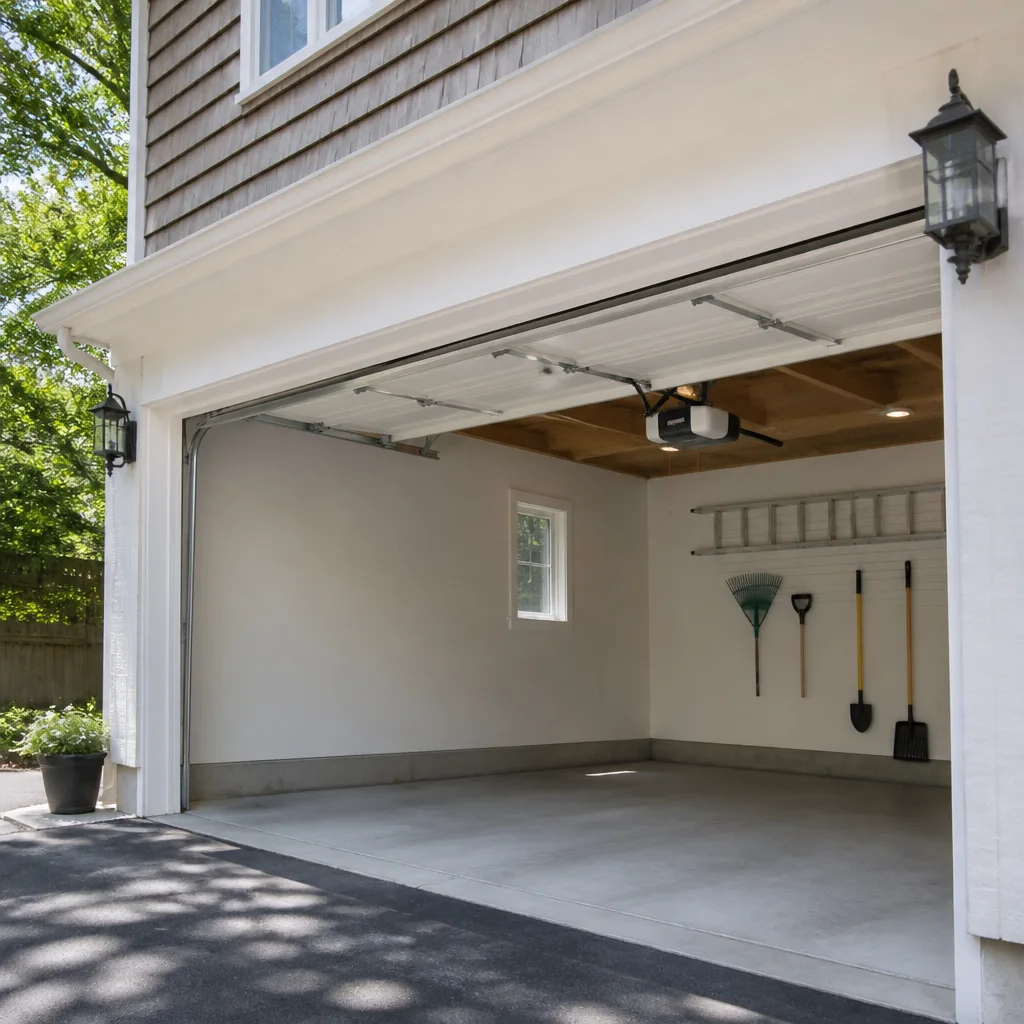 LiftMaster openers
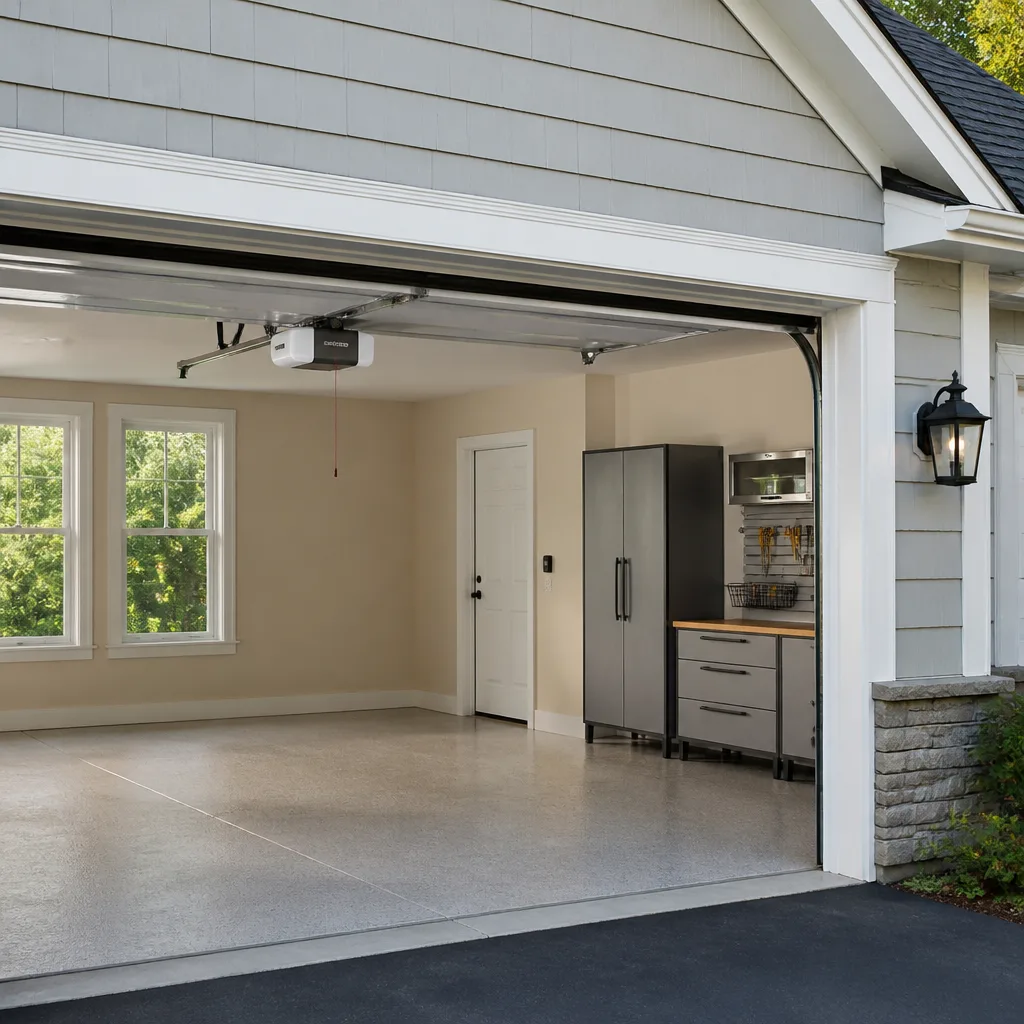 Chamberlain openers
Full 25-point door and opener safety check with every visit - springs, cables, rollers, tracks, and your LiftMaster or Chamberlain opener included
You get a price before we start. It does not change when the pro arrives.
Get your free estimateGarage Door Repair Maintenance Checklist for Dakota Ridge Homeowners
Most Dakota Ridge homeowners call us for one reason: a broken torsion spring. And in our experience, most of those springs didn’t fail overnight. They ran dry for a season or two, grit worked its way between the coils, and the metal finally gave out. Here’s the part that surprises people – a few dollars of the right lubricant, applied before freeze season, is the single highest-value thing you can do for your door. This guide is a sequenced, season-aware maintenance checklist built around the failure patterns we see over and over in Dakota Ridge. By the end you’ll know what you can inspect yourself, what to leave alone, and how to sort every finding into a simple red, yellow or green decision.
Quick Answer
A sound garage door maintenance routine for Dakota Ridge comes down to two tune-ups per year – one in October before the freeze, one in April after it – plus a monthly visual check of springs, cables, rollers and wind-load hardware. Lubricate moving parts with a cold-rated silicone or lithium spray, keep your hands off high-tension springs and cables, and sort every problem into green (DIY), yellow (schedule soon) or red (call now). That schedule reflects how Colorado’s wind, temperature swings and grit actually wear on door hardware, not a generic national checklist.
Styles & brands we work with
- Raised-panel steel
- Carriage house
- Modern flush
- Full-view glass
- LiftMaster openers
- Chamberlain openers
Table of Contents
- Why a Dakota Ridge Checklist Isn’t a Generic PDF
- The October Tune-Up: Before Freeze Season
- The April Inspection: After the Thaw
- Which Lubricants Survive Colorado Temperatures
- Checking Cables and Rollers Without Touching High-Tension Parts
- Wind-Load Hardware: The Dakota Ridge Weak Point
- The Red, Yellow, Green Triage System
- The One-Minute Monthly Check
Why a Dakota Ridge Checklist Isn’t a Generic PDF
Search for a garage door maintenance checklist and you’ll find the same advice everywhere: lubricate the hinges, tighten the bolts, test the safety sensors. None of that is wrong. It’s just written for a climate that doesn’t exist here. Dakota Ridge doors work in a very particular set of conditions – wind that pushes constantly against the door face, a temperature swing across the year that can move metal a meaningful amount, and an air that carries fine grit off the surrounding ground.
Those three factors change the priority order. Wind-load hardware matters more here than in a sheltered neighborhood, and it loosens faster too. Temperature extremes punish the wrong lubricant and make bearings and rollers work harder. Grit acts like sandpaper on any moving surface that isn’t protected.
So this checklist is sequenced around what actually fails here. It splits the year into two tune-ups rather than pretending one spring cleaning is enough. It names the lubricants that hold up at Colorado temperatures and the ones that should never touch your door. And it gives you a way to sort findings without guessing.
One thing we want to say plainly: a garage door is a system under load. Springs, cables and the bottom brackets they connect to store enough energy to cause serious injury. This checklist is designed to help you inspect and to protect the parts you can safely reach. It never asks you to adjust, remove or handle the high-tension components.
What this checklist covers
- Seasonal task sequencing tuned to Colorado freeze and thaw cycles
- The specific lubricants that perform below freezing and the ones that don’t
- Safe inspection of cables, rollers and hinges (no disassembly, no spring contact)
- Wind-load hardware checks built for exposed, wind-facing locations
- A simple decision framework for everything you find
The October Tune-Up: Before Freeze Season
October is the most important maintenance window of the year in Dakota Ridge. Whatever is going to fail in the cold is going to fail soon, and you want to find it while the weather is still cooperative and a technician can get to you without fighting a frozen, stuck door. Do the tasks in this order.
- Lubricate every spring, hinge and roller with a cold-rated silicone or lithium spray. Get lubricant between the coils without touching or reaching into them – spray along the length from a safe angle. Dry springs are the beginning of most spring failures.
- Lube the torsion bar bearings and the opener rail. Use a light, cold-stable lubricant on the bearings and a proper rail lubricant on the opener. Avoid anything sticky that will thicken when temperatures drop.
- Test the door balance by hand. Disconnect the opener and lift the door to about waist height. It should hold roughly where you let it go. If it drops or rises on its own, the springs are out of balance and it’s a call-now item.
- Look at the weather seal. A cracked or hardened bottom seal lets grit and cold air in and stresses the bottom of the door. Replacing a seal is often a DIY job on a warm October afternoon.
- Check the wind-load hardware by eye and by touch. Confirm every bracket bolt and hinge bolt is snug. Gently wiggle the brackets – if a bolt turns easily, it’s backing out. See the wind-load section below for why this matters so much here.
- Run the safety reverse test. With a block of wood or a folded towel on the floor, close the door; it should reverse on contact. Also test the photo-eye sensors by passing a hand through the beam while the door closes.
- Consider scheduling a professional tune-up if you find anything yellow or red, or if your door is older and you haven’t had it looked at in a while. A trained technician can check spring tension and cable wear that you shouldn’t handle yourself.
Do this once, in this order, and you’ll walk into winter knowing your door is in decent shape. Our garage door repair team sees a lot of doors in late fall that were one lubrication away from a winter breakdown.
The April Inspection: After the Thaw
Winter is a stress test. The April inspection picks up what the cold and the spring melt left behind. It’s not a repeat of October – it’s a different set of tasks aimed at what freeze-thaw does to a door.
- Walk the perimeter and look for water intrusion. Freeze-thaw can open small gaps. Check the bottom seal, the sides and the top of the opening. If you see daylight or water staining, the problem is the seal, not the door.
- Inspect the door skin and panels for warping or separation. Temperature swings can cause metal to move. Look for panels that no longer sit flush or seams that have started to split.
- Check cables for rust and fraying – from a distance. You’ll read more in the next-but-one section on exactly what to look for without touching them.
- Re-lubricate everything you did in October. That’s two full lubrication passes a year for the parts you can reach. This is the single biggest thing you can do to extend your door’s service life.
- Test balance and safety reverse again. The January-through-March stretch is hard on springs. If the door feels heavier than it did in fall, or drops when you let it go, the springs have lost tension.
- Re-tighten wind-load hardware. Grit and wind loosen bolts. The April pass is your chance to catch anything the wind worked loose over the winter.
- Clean the tracks. Wipe out dirt and grit with a slightly damp cloth, then dry. Don’t grease tracks – they’re meant to stay dry.
October finds problems before they bite. April catches the ones winter created. Two appointments, one act of care, and your door lasts noticeably longer. If at either point your door feels beyond a tune-up, we handle Garage Door Repair Dakota Ridge with an eye on whether it’s worth repairing or time for something new.
Which Lubricants Survive Colorado Temperatures
The right lubricant is the difference between a spring that lasts and one that fails early. The wrong one turns into a sticky paste in the cold and doesn’t protect a thing. Here’s the short version we give customers: use a cold-rated silicone or lithium spray for springs, hinges and rollers, and skip anything that stays tacky.
Use these
- Cold-rated silicone spray – clean, won’t collect grit, stable at low temperatures. Our default for springs, hinges and rollers.
- White lithium grease spray – good for slower, heavier-load points like hinges and roller bearings, provided it’s rated for cold use.
- Specialty opener rail lubricant – made for the rail and drive assembly. Don’t substitute.
Never use these
- General-purpose motor oil or engine oil – runs off, collects grit, no long-term protection.
- WD-40 as a lubricant – it’s a solvent and light penetrant, not a lasting lubricant. It evaporates and leaves dry metal behind.
- Heavy “tacky” or chain grease – thickens in cold and can make the door sluggish. It also traps grit, which acts like sandpaper on every moving surface.
- Cooking spray or aerosol food oils – not formulated for metal under load. Skip them.
If you’re going to remember one rule from this guide: cold-rated silicone or lithium, twice a year, on everything safe to reach. Your springs, hinges, rollers and bearings all benefit. A $5 can of spray used consistently is the cheapest insurance your door has.
Checking Cables and Rollers Without Touching High-Tension Parts
Cables are the part of the door homeowners ask most about, and also the part we tell them to inspect with their eyes and not their hands. Cables are under extreme tension at all times. Never touch, tug or attempt to adjust a cable. Here’s how to check them safely from a distance.
Safe cable inspection
- Stand back and look at the cables running from the bottom corners up to the drums at the top. You’re looking, not reaching.
- Check for rust. Surface discoloration is one thing; deep orange or pitting means the cable is weakening and should be replaced by a technician.
- Look for frayed strands or kinks. A single broken strand means the cable is compromised and needs professional replacement – don’t keep operating the door.
- Look at the drum at the top of each cable. If the cable is riding off the drum or the windings look uneven, stop using the door and call.
Safe roller inspection
Rollers are far less dangerous than cables, but only when the door is stationary. With the door fully closed, look for flat spots, cracks or wobble in the rollers inside the tracks. Worn rollers make a rumbling or grinding noise every time the door moves. Replacing rollers is still best handled by a technician because getting a roller out safely means managing the door’s position and weight.
What never to touch
- Torsion springs above the door
- Extension springs at the sides
- Cables and drums in any condition
- Bottom brackets and any tension-adjusting hardware
If you find a cable or spring problem, the right move is to stop using the door and call. Our garage door spring repair team handles springs and cables as a dedicated safety-critical service rather than a bit of general handyman work.
Wind-Load Hardware: The Dakota Ridge Weak Point
Wind load is the single biggest reason hardware loosens faster here than in a sheltered neighborhood. Every time the door acts as a sail and the wind pushes against it, the bolts and brackets holding the door’s structure together take a load. Do that a few thousand times a year and bolts begin to move. That’s why wind-load hardware is a named item on every Dakota Ridge checklist.
Three types of hardware deserve a look every six months:
- Hinge bolts – the hinges that connect panels. These transmit load from panel to panel.
- Bracket bolts – the side and top brackets that anchor the door’s frame to the opening.
- Track fasteners – the bolts that hold the tracks to the walls and framing.
Here’s how to check safely:
- With the door fully closed and the opener off, gently try to turn each accessible bolt with the correct-size wrench or socket. Don’t force anything. You’re checking whether it’s snug, not tightening with muscle.
- If a bolt turns easily or feels soft, note it. That’s a yellow item – schedule soon.
- Wiggle each bracket by hand. A bracket that moves is a problem, even a small one.
- Look for discoloration where bolts meet the frame; rust streaks often show where water is getting in and where fasteners are losing grip.
Tightening structurally important bolts is fine to do gently, but don’t over-torque them or you’ll strip the hardware. If you find several loose at once, it’s worth a professional look – repeated loosening in the same spot can signal a deeper alignment issue. If your door also makes unusual noises or runs unevenly, our garage door repair team can check the whole system at once. If you have a Craftsman or Raynor door, those hinge and bracket patterns are ones our technicians know well.
The Red, Yellow, Green Triage System
After every inspection, you end up with a list of findings. The problem is deciding which ones you can handle and which ones you shouldn’t. Use this simple three-color triage. On every door we look at across Dakota Ridge, this is essentially how we think about the findings too.
Green: DIY-friendly, do it yourself
- Lubricating accessible springs, hinges, rollers and bearings
- Cleaning and wiping down tracks
- Replacing a worn bottom seal
- Testing safety reverse and photo-eyes
- Gently snugging a hinge or bracket bolt with the right wrench
Yellow: schedule a professional visit soon
- Worn or flat-spotted rollers
- Several loose brackets or fasteners in the same area
- Rusty or slightly frayed cable (visually, from a distance)
- An opener that hesitates, reverses unexpectedly or grinds
- A door that has started running louder or faster than it used to
Red: call now, stop using the door
- Any visible broken spring
- A door that falls or rises when released by hand
- A cable that’s snapped, badly kinked or off its drum
- Panels that are coming apart or detached from their structure
- A door stuck open or stuck shut
- Any door that’s making a loud bang or repeated snapping sound
The red list is where emergency service comes in. If your opener is at the center of the problem, our garage door opener repair team works on LiftMaster and Chamberlain systems by name, alongside the other major brands the team is trained on. Naming the brand matters – a LiftMaster logic board and a Chamberlain logic board behave differently, and we go to your system rather than a generic guess.
The One-Minute Monthly Check
You don’t need to do the full October or April ritual every month. But a minute of watching and listening will spot problems early and keep your door out of the red zone. Here’s what to look at monthly:
- Watch the door go up and down. Any catching, stuttering, or uneven motion is a signal.
- Listen. A steady hum is normal. Snap, pop, grind or rumble is not.
- Look at the safety sensors. Make sure the photo-eye lenses are clean and the indicator lights show aligned.
- Scan the springs and cables visually. Eyes only – no touching.
- Check for new daylight around the bottom seal. A gap means air, grit and moisture are getting in.
Five checks, sixty seconds, once a month. That habit catches most problems in the yellow stage, when they’re cheaper and easier to fix.
Common Mistakes to Avoid
- Using WD-40 as a lubricant. It’s a penetrant, not a lasting lubricant. Use cold-rated silicone or lithium spray instead.
- Skipping the April check entirely. Winter is when springs weaken and hardware loosens. If you only maintain in fall, you’re missing the half of the year that does more damage in Dakota Ridge.
- Touching the high-tension springs or cables. They’re under enough load to cause serious injury. This is one of the few places where DIY is genuinely dangerous.
- Ignoring loose bracket bolts. Wind works them loose over months. Snug them gently when you find one; don’t wait until the door starts misbehaving.
- Greasing the tracks. Tracks should stay dry and clean. Grease collects grit and makes things worse.
- Using heavy, tacky grease in cold weather. It stiffens below freezing and makes the door sluggish, which strains the springs and opener.
- Assuming a rumbling door is “just getting old.” Rumble is usually worn rollers or dry bearings – both fixable before they cause bigger failures.
See the difference
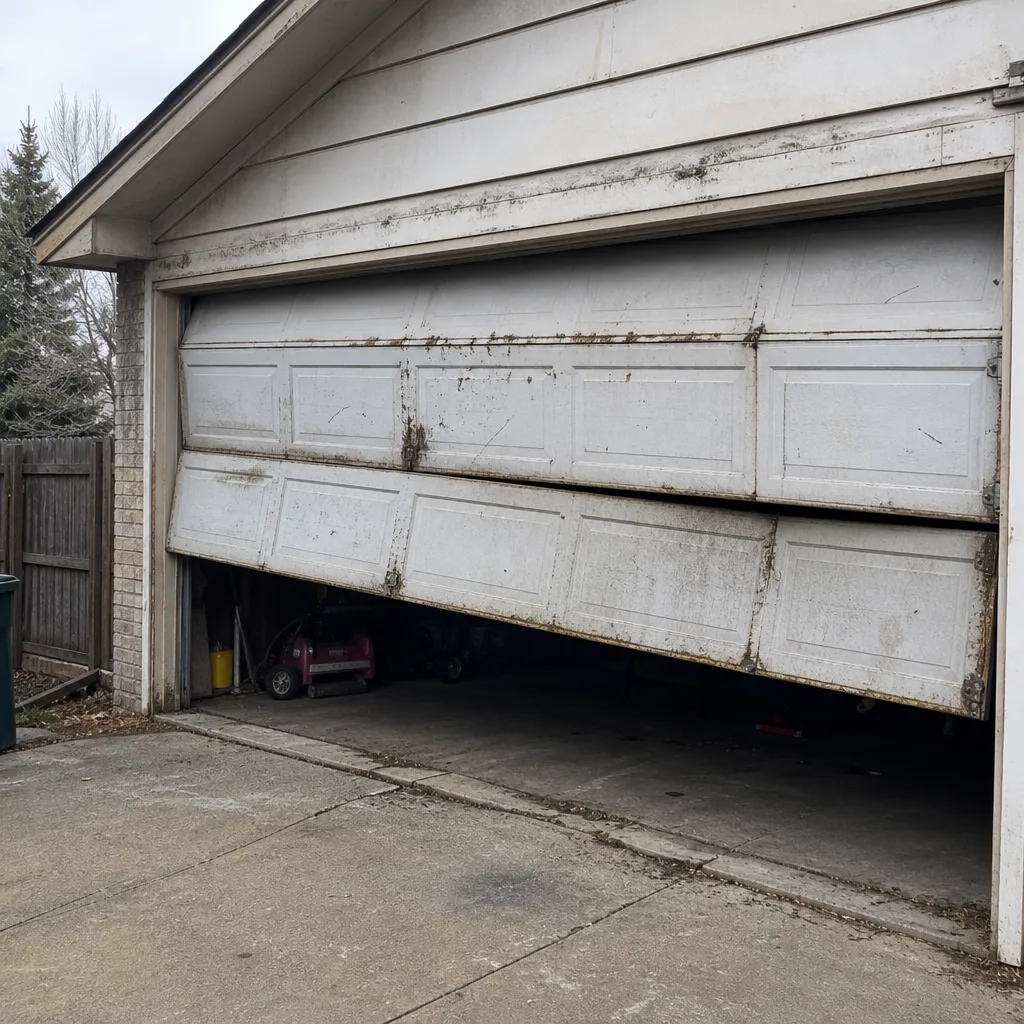 Before
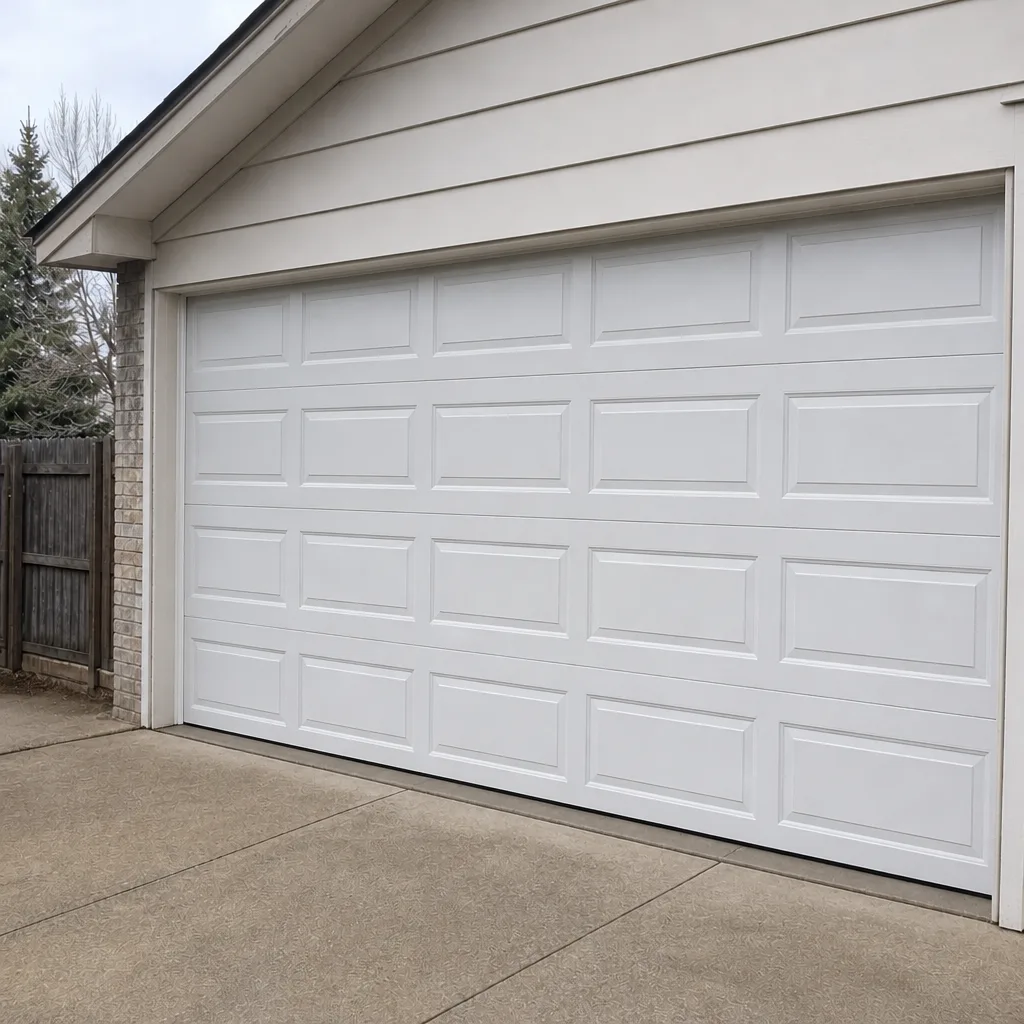 After
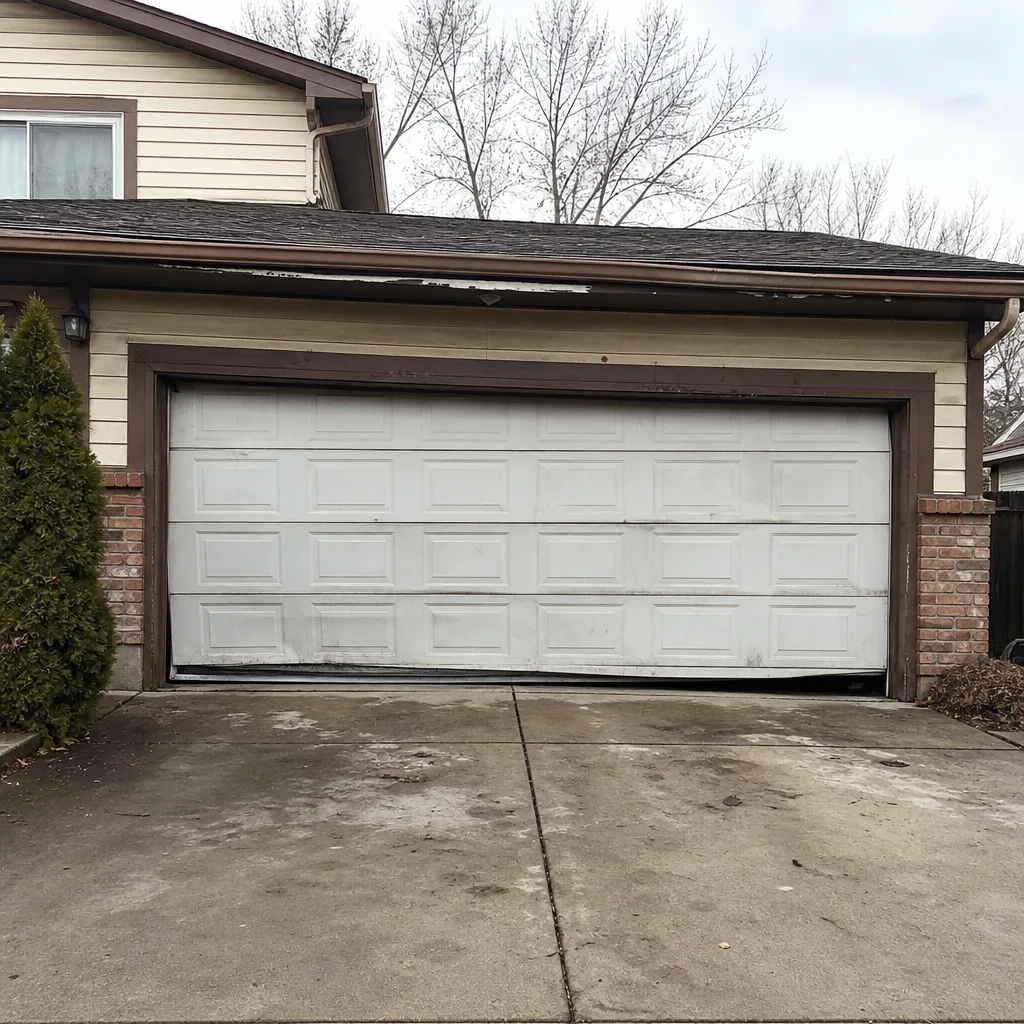 Before
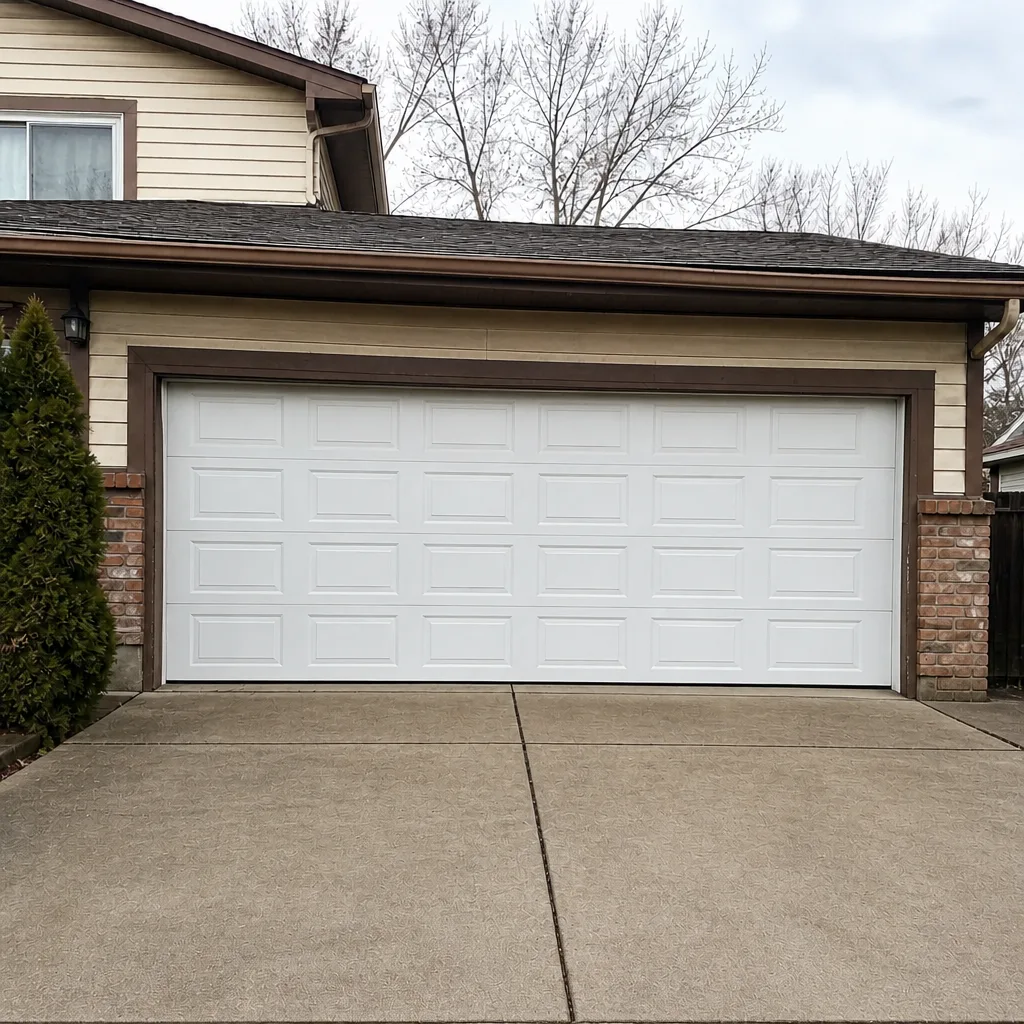 After
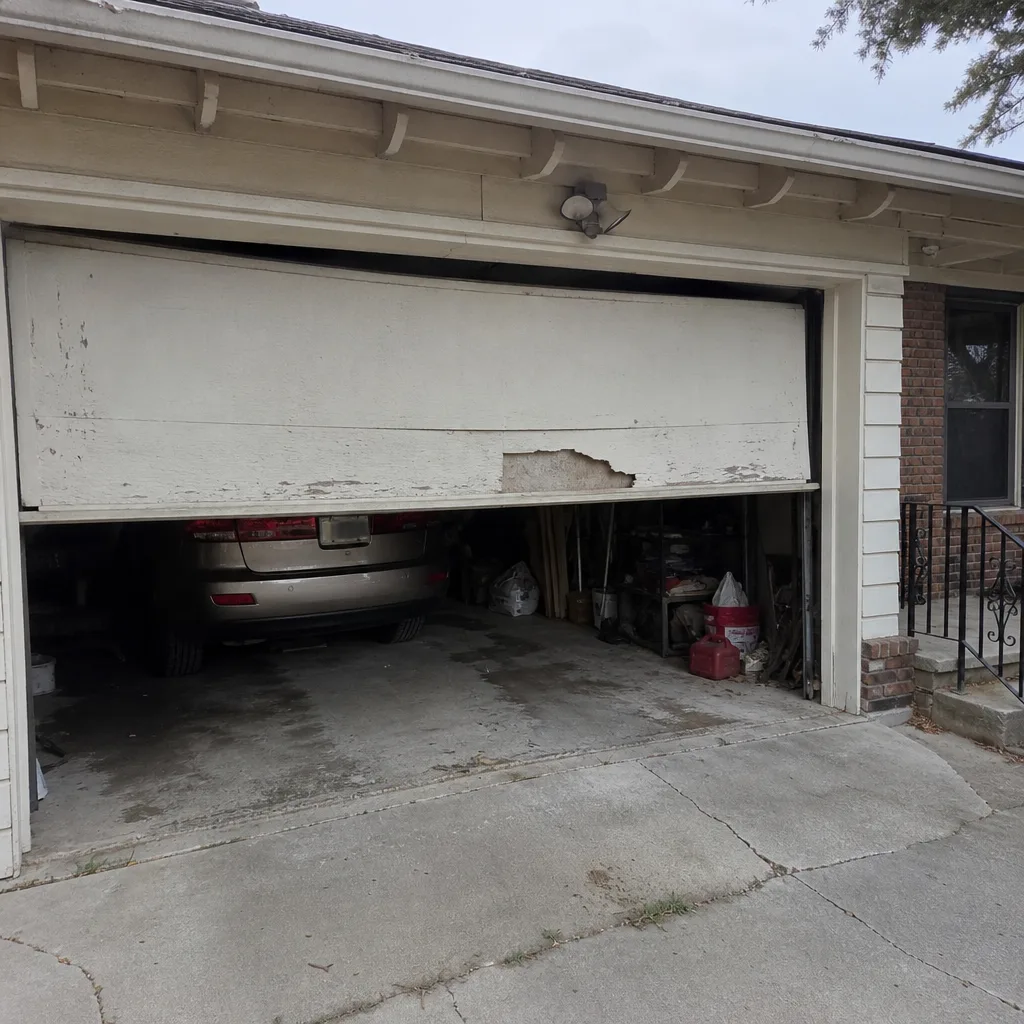 Before
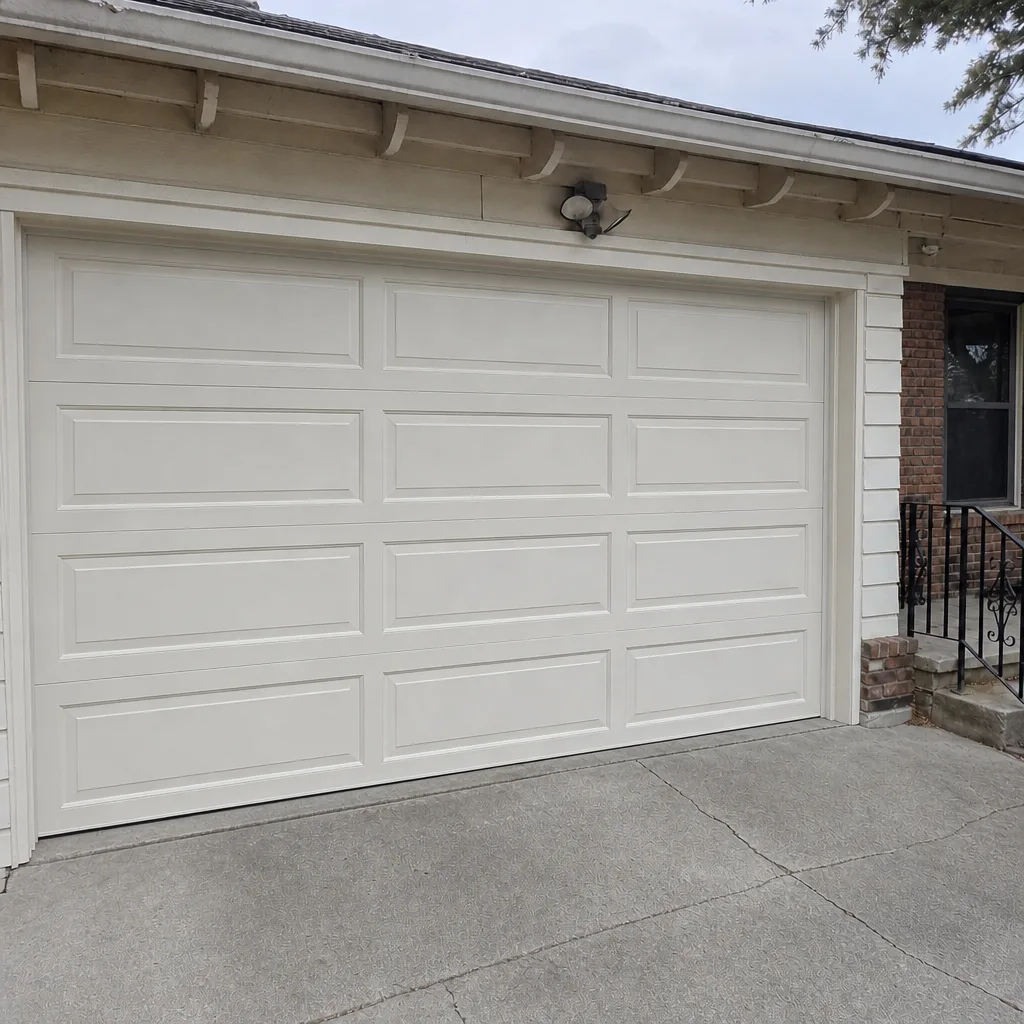 After
When to Call a Professional
Most of this checklist you can safely handle yourself with a spray can, a wrench and your eyes. Where you should stop and call is precise: any broken spring, any cable that looks compromised, a door that won’t balance, panels that are separating, or an opener that’s misbehaving. Those are the situations where the cost of getting it wrong is a real injury or a much bigger repair. Our technicians have up to 9 years of experience and handle spring repair, opener repair and complete door replacement as core service, not as a side job.
If you’re not sure which category your finding belongs in, describe it to us over the phone. Garage Door Repair Dakota Ridge offers free estimates in Dakota Ridge – call (855) 337-2081 and we’ll help you sort it.
Frequently Asked Questions
Twice a year for the full pass, and once a month for the quick visual and listening check. In Dakota Ridge specifically, the October and April passes are the two anchors – October before the freeze, April after the thaw. Anything that involves lubricating moving parts should happen twice a year; anything that involves watching and listening can happen monthly. Between those, keep the safety sensors clean and the bottom seal intact. Call (855) 337-2081 for a free estimate if anything you find looks like a yellow or red item.
You can spray lubricant along the accessible length of a spring without touching or transferring weight, and that’s worth doing twice a year. You cannot safely adjust, remove or otherwise handle a torsion or extension spring – they store enough energy to cause serious injury. If a spring looks broken, sagging or is making noise, stop using the door and call a professional. Our spring repair team handles this as a dedicated safety-critical service. Call (855) 337-2081 for a free estimate.
Wind load. Every time the door sees a gust, the brackets and hinges absorb a bit of load. Multiply that across a year and bolts back out. The fix is simple: check them in October and again in April, and gently snug anything that turns easily. If the same bolts loosen repeatedly, that can signal a deeper alignment issue the technician should look at. Call (855) 337-2081 for a free estimate.
A cold-rated silicone or white lithium spray. Both stay effective at low temperatures, and neither collects grit the way heavier greases do. Skip WD-40 as a lubricant (it’s a penetrant, not a lasting oil), and skip tacky chain grease altogether because it thickens in the cold and makes the door sluggish. Call (855) 337-2081 for a free estimate if you want us to recommend the right product for your specific door.
From a distance, look for rust, fraying, kinks, or a cable riding off the drum at the top. Any of those means the cable is compromised and should be replaced by a technician – don’t keep operating the door. Never touch, tug or adjust a cable yourself. Our technicians have up to 9 years of experience inspecting and replacing cables safely. Call (855) 337-2081 for a free estimate.
A soft call is a yellow finding – a worn roller, a slightly loose bolt, a door that’s been rumbling for a while. An emergency is a red finding – a broken spring, a door that won’t balance, a snapped cable, or a door that’s stuck open and leaving the home exposed. We offer emergency garage door service for the red items because a broken door isn’t always a Monday-morning problem. Call (855) 337-2081 for a free estimate and we’ll help you decide.
The Bottom Line
Most of what fails on a garage door in Dakota Ridge fails for a reason you can prevent: dry metal, grit, or a bolt the wind has backed out. Two tune-ups a year – one in October before freeze season, one in April after the thaw – plus a sixty-second monthly check catches almost everything before it becomes a call. Remember the four rules: cold-rated silicone or lithium, twice a year, on everything safe to reach. Hands off springs, cables and tension hardware. Sort every finding green, yellow or red. And when something’s red, stop using the door and call a trained professional rather than risking an injury. Fifteen minutes in October and fifteen in April is the difference between a door that lasts and one that surprises you.
We work on the major brands – LiftMaster, Chamberlain, Genie, Craftsman, Clopay, Amarr, Wayne Dalton and Raynor – so when we arrive, we work on your system, not a generic guess. When you’ve done your part and something still needs a technician, that’s where we come in. Call (855) 337-2081 for a free estimate.
Related reading
- Garage Door Repair Dakota Ridge
- garage door repair
- garage door opener repair
- garage door spring repair
Written by the team at Garage Door Repair Dakota Ridge.