Last updated November 23, 2026
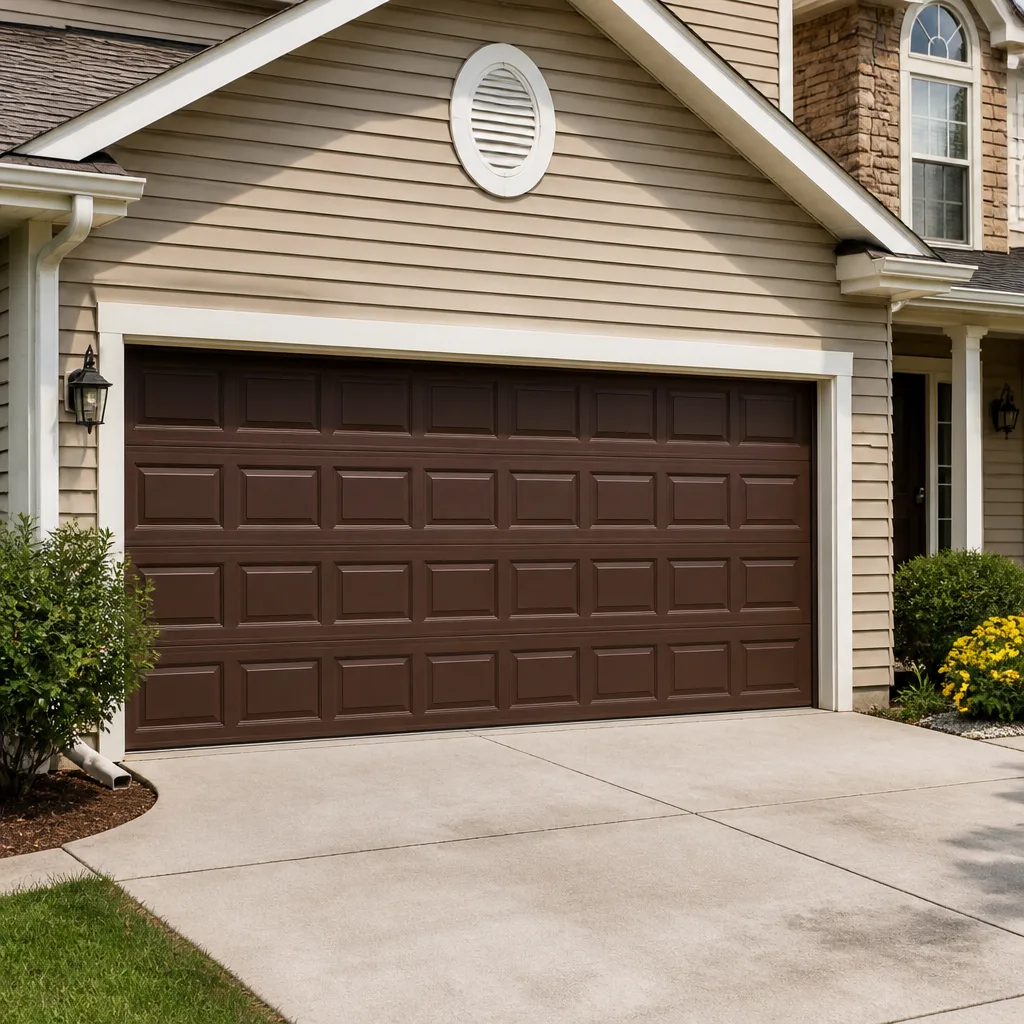 Raised-panel steel
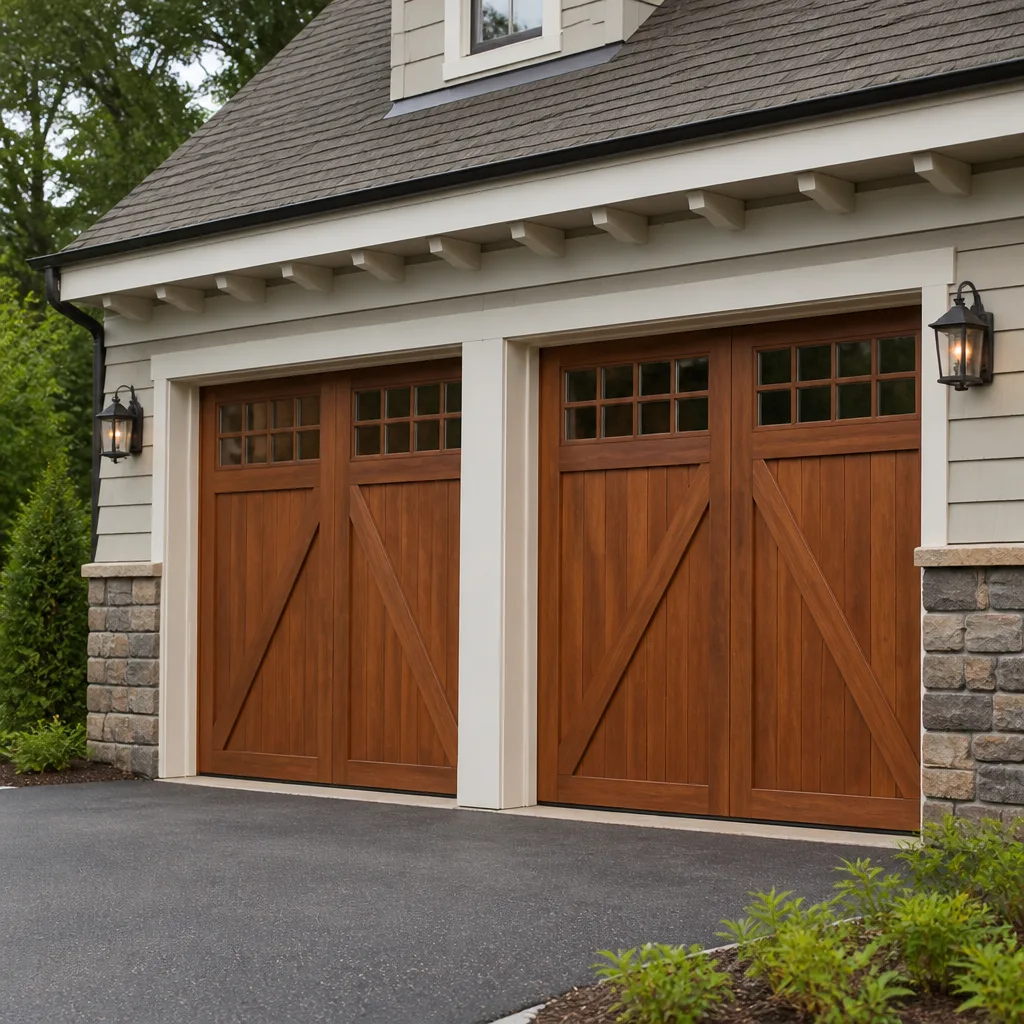 Carriage house
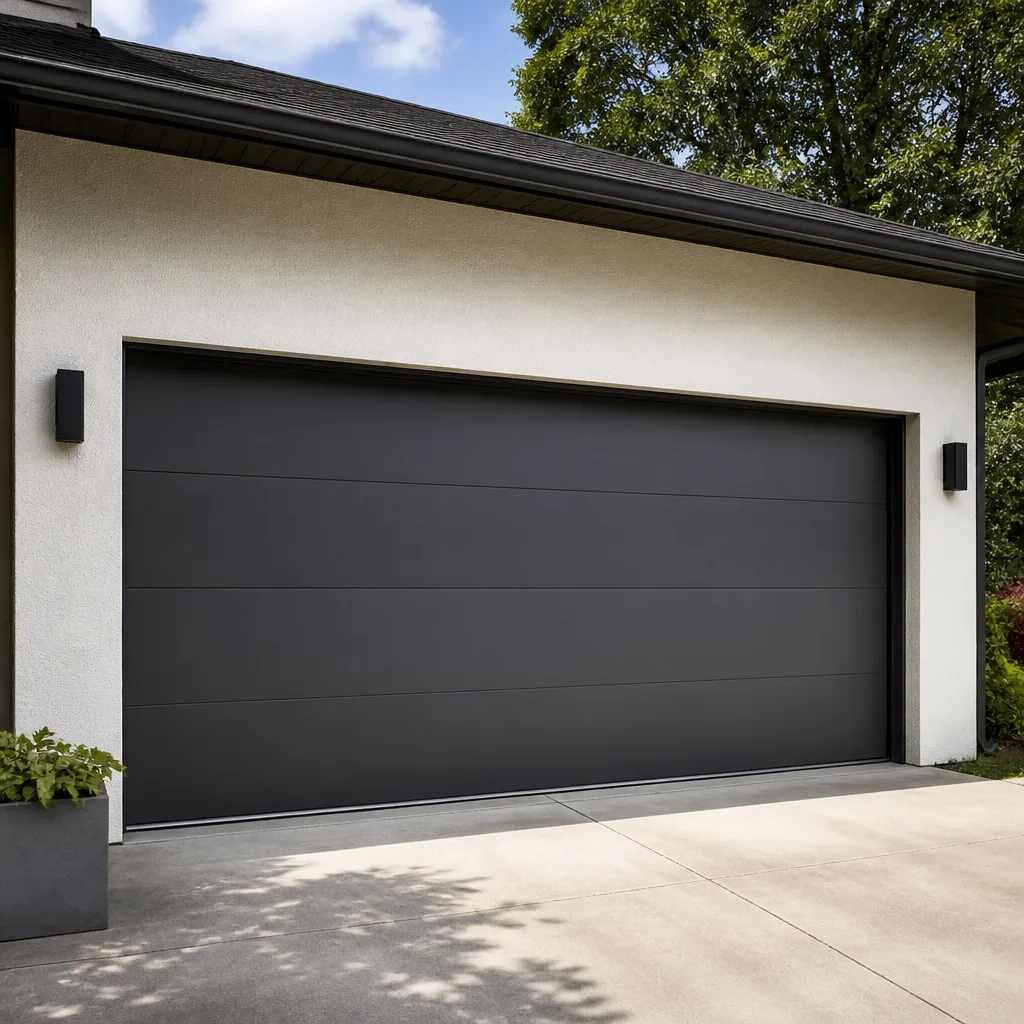 Modern flush
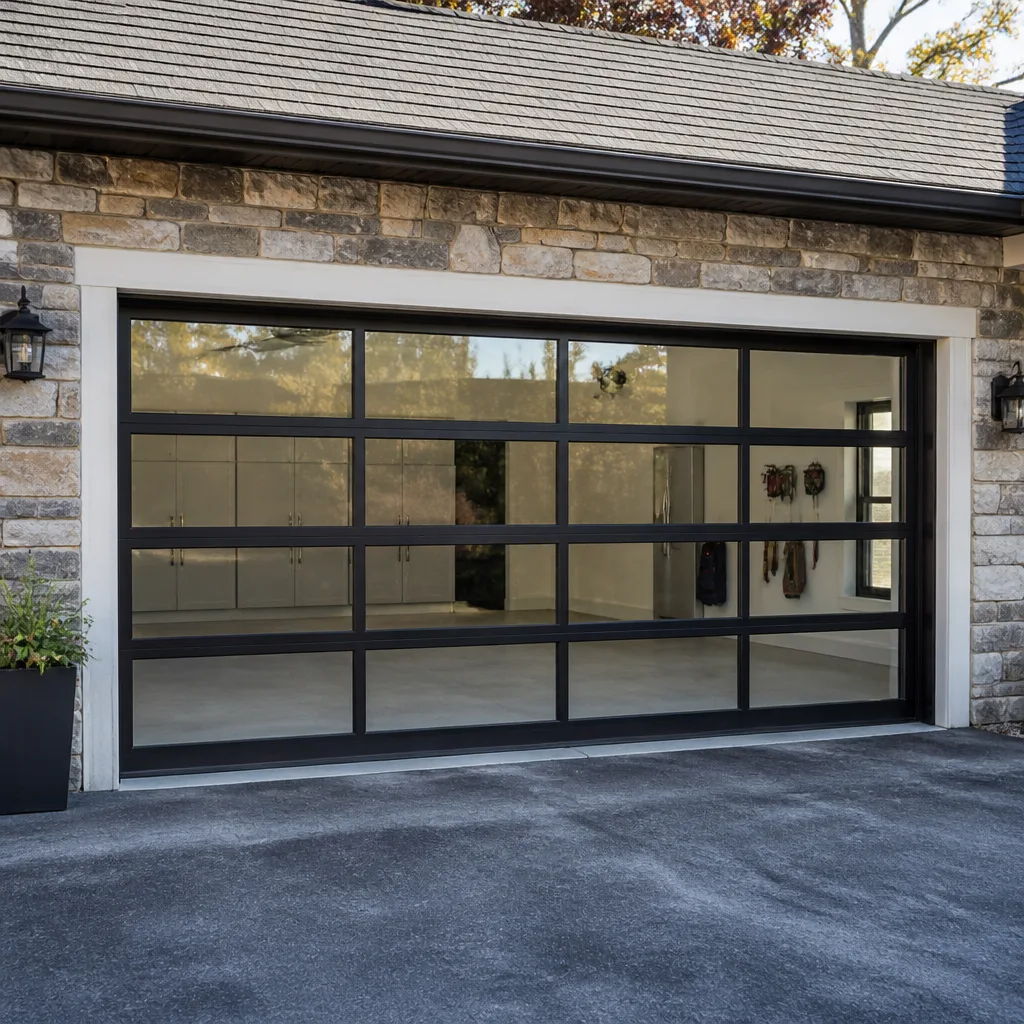 Full-view glass
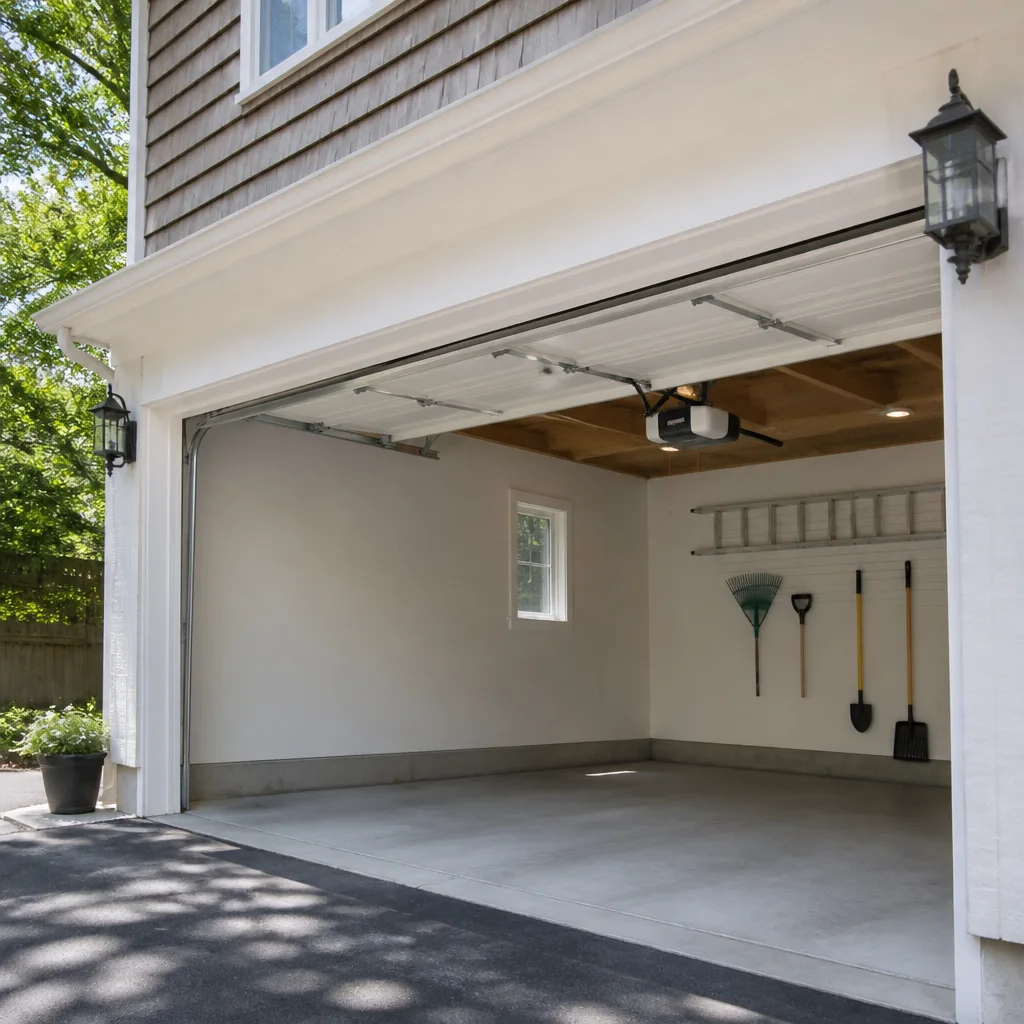 LiftMaster openers
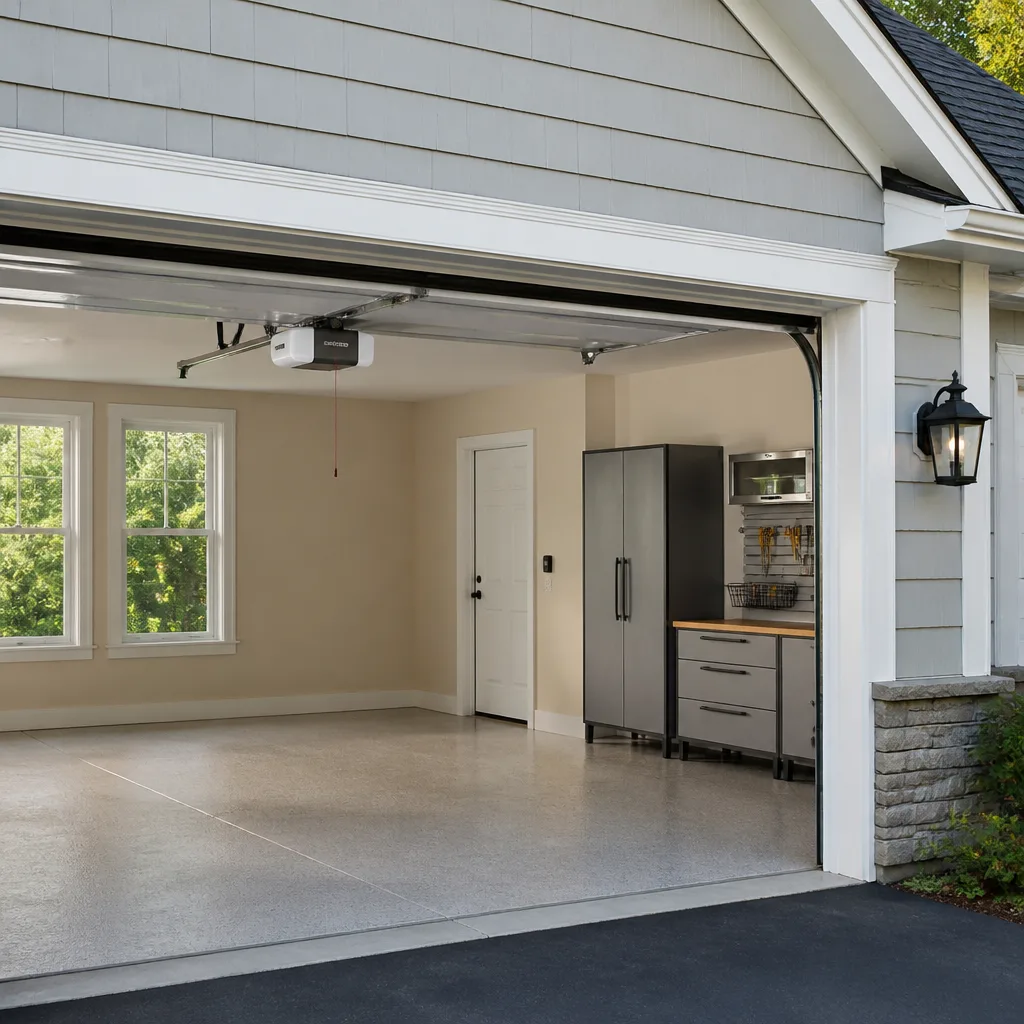 Chamberlain openers
Full 25-point door and opener safety check with every visit - springs, cables, rollers, tracks, and your LiftMaster or Chamberlain opener included
You get a price before we start. It does not change when the pro arrives.
Get your free estimateHow to Hire a Garage Door Contractor in Dakota Ridge: A Step-by-Step Guide
Colorado does not require a state license to work on garage doors. That means the person adjusting your torsion springs – one of the highest-tension mechanical systems in a residential home – might have learned the job last Tuesday. Most homeowners never think about this until a spring snaps, the door hangs crooked, or an opener grinds to a halt, and by then they’re calling whoever answers first. This guide walks you through how to tell a real specialist from a generalist with a toolbox, what to ask before you sign, and how to read a quote so the price you agree to is the price you pay. If you live in Dakota Ridge and your door needs attention, this is the page to bookmark before you make that call.
Quick Answer
To hire a garage door contractor in Dakota Ridge, verify the company specializes in garage doors rather than general handyman work, ask what brands they’re trained on, confirm they quote a written price before any work starts, and check that the warranty spells out parts and labor separately. Because Colorado doesn’t license this trade at the state level, your vetting does the work a license would do elsewhere. A specialist who can name the system in front of them, explain the failure, and put the price in writing is the one to hire.
Styles & brands we work with
- Raised-panel steel
- Carriage house
- Modern flush
- Full-view glass
- LiftMaster openers
- Chamberlain openers
Table of Contents
- What Colorado Actually Requires for Garage Door Contractors
- The Five Questions That Separate a Specialist from a Handyman
- How to Evaluate a Garage Door Quote Line by Line
- Why the Lowest Bid Is Usually the Cheapest Hardware
- What a Real Warranty Looks Like in Writing
- Springs, Cables and the Safety Question You Must Ask
- Openers Are Their Own Discipline – Hire Accordingly
- Repair or Replace? How to Decide Before You Call
What Colorado Actually Requires for Garage Door Contractors
Colorado has no statewide licensing requirement for garage door contractors. That’s the single most important fact in this guide, and it surprises most homeowners in Dakota Ridge. In trades like electrical or plumbing, a state license number is your first filter. Here, there’s no state credential to check, which means a company’s reputation, references, insurance, and demonstrated specialty are the only filters you have. That gap is exactly where a weekend handyman slips through.
What you can and should verify:
- General liability insurance. Ask for a certificate of insurance. A legitimate company carries it and can produce it without hesitation. If a door comes off its track and damages your vehicle or your home, insurance is what stands between you and the loss.
- Workers’ compensation. If someone is injured on your property, this matters. Ask whether the company carries it.
- Business registration. A registered Colorado business entity is a basic check that the company is real and accountable.
- Trade certifications. The Institute of Door Dealer Education and Accreditation (IDEA) offers accreditation for garage door dealers and installers. It’s voluntary – not a state license – but it signals a company that invested in training and standards. Ask whether a company holds IDEA accreditation and what it covers. A vague answer tells you something.
Industry certifications from manufacturers matter too. A company factory-familiar with brands like LiftMaster, Chamberlain, Genie, Clopay, Amarr, Wayne Dalton, Craftsman, and Raynor has been trained on the actual systems in your home, not generic hardware. That fluency shows up in the questions the technician asks you on the phone – the make of your opener, the type of spring, the door’s material – before anyone arrives. Our technicians have up to 9 years of experience, and that experience is concentrated on garage doors specifically, not split across a dozen trades.
Here in Dakota Ridge, most homes were built with standard sectional doors and chain-drive or belt-drive openers, and the wind that funnels along the Front Range foothills puts real stress on door hardware over time. A contractor who works this area regularly recognizes that wear pattern. Ask how familiar they are with the housing stock in Dakota Ridge and the common failures that come with it. The answer tells you whether you’re talking to a local specialist or a call center dispatching whoever’s closest.
The Five Questions That Separate a Specialist from a Handyman
The gap between a garage door specialist and a generalist is invisible until something goes wrong. These five questions make it visible in about five minutes of conversation. Ask every one of them before you book a visit.
- “Do you work on garage doors exclusively, or as one of many services?” A specialist does one trade. A handyman who also does fences, decks, and drywall is splitting attention and training across all of them. A red-flag answer is “we do a bit of everything.” The right answer is a company whose entire service list is garage doors.
- “What brands are you trained on?” The failure modes of a LiftMaster opener and a Genie opener are different. A technician who knows the brand diagnoses the system in front of them instead of guessing. A red-flag answer is “we work on all of them” with no specifics. A strong answer names the makes and describes the differences.
- “What’s your process for a broken spring?” Springs are safety-critical. A red flag is any answer that treats it as routine hardware replacement with no discussion of tension, cables, or safety. The right answer describes a controlled procedure and the danger involved.
- “Will I get a written price before work starts?” This is the one that protects your wallet. A red flag is “we’ll figure it out when we get there” or “it depends, but we’ll keep it fair.” The right answer is a written quote, agreed before anyone touches the door.
- “What does your warranty cover – parts, labor, or both?” A red flag is a cheerful “we guarantee our work” with no specifics. The right answer separates parts from labor and puts both in writing.
Ask these questions when you call, not when the technician is already in your driveway. The phone conversation filters faster than an in-person visit, and in Dakota Ridge, where door problems sometimes need attention the same day, you don’t want to waste a booking on the wrong company.
How to Evaluate a Garage Door Quote Line by Line
A garage door quote should itemize the parts and the labor separately. When a company hands you a single number labeled “parts and labor,” you’ve lost the ability to see what’s actually being installed. That matters because the price of a job is mostly the hardware – and cheap hardware is how a low bid gets low.
Here’s what a well-built quote looks like:
- Springs by type and count. Torsion or extension, and how many. A spring price quote is for one spring. If both springs are being replaced as a matched pair, the quote should show two – and a pair costs roughly twice a single spring. If the line item says “springs replaced” with no count, ask.
- Part brand and grade. The brand of spring, roller, hinge, or opener being installed. This is where cut-rate hardware hides. Ask what brand and grade, and expect a clear answer.
- Labor broken out. How much of the total is the work itself. If labor is bundled invisibly into a single number, ask for the split.
- Diagnostic or service call fee. Whether there’s a trip or diagnostic charge, and whether it’s applied to the repair.
- Disposal. Whether hauling away the old door or components is included.
- Warranty terms. What’s covered and for how long, written on the quote itself.
For a garage door repair quote, the two items homeowners most often wish they’d pinned down are part brand and labor. A quote that lists both lets you compare apples to apples when you’re deciding between companies. A quote that buries them doesn’t, and a low bundled number is often the tell.
The price you agree to is the price you pay. The written estimate should set the final price before work begins – not an estimate that drifts upward once the technician sees the job. Get the written quote, read the line items, and ask about anything that reads vague before you approve it.
Why the Lowest Bid Is Usually the Cheapest Hardware
The lowest bid on a garage door job often reflects cut-rate hardware, not efficiency. When three quotes come in and one is dramatically lower, the gap is usually in the parts: a lighter-gauge spring, a lower-grade roller, a cheaper hinge, a builder-grade opener. These parts work – until they don’t, and they fail sooner than quality components do. The low bid shifts the cost from the quote to the future.
So how do you verify what’s actually going into your door?
- Ask for the brand on the quote. A quality company names the brand of spring, roller, and opener. If the brand is missing, ask for it in writing.
- Ask about grade, not just brand. The same brand can sell a premium line and a builder-grade line. Ask which grade is being installed and why.
- Ask about the cycle life of the spring being quoted. Springs are rated by the number of open-close cycles they’ll last. A higher-cycle spring costs more up front and lasts longer. Find out what you’re getting.
- Compare the parts, not just the totals. When quotes differ, put the line items side by side. An honest company will explain its part choices.
In our experience, a homeowner weighing two quotes doesn’t need to be an expert on spring metallurgy. They need the company to answer “what brand and grade is this?” without flinching. A specialist will. A company hoping you won’t ask won’t.
What a Real Warranty Looks Like in Writing
A legitimate garage door warranty separates parts coverage from labor coverage and puts a specific term – in months or cycles – on each. “Satisfaction guaranteed” with no specifics means almost nothing: it’s a phrase, not a commitment. When something fails a few months later, you want to know whether the part is covered, whether the labor to replace it is covered, and how long each window lasts.
Ask these warranty questions before you sign:
- How long is the parts warranty, and on which components? Springs, openers, and hardware often carry different terms. Get each in writing.
- How long is the labor warranty? Parts coverage without labor coverage still leaves you paying the install cost on a replacement.
- Is the manufacturer’s warranty separate from the installer’s warranty? An opener has a manufacturer warranty. The installation workmanship is the company’s own. Know which covers what.
- Does the warranty transfer if you sell the house? Nice to know if you plan to move.
- Is it written on the quote or invoice? A warranty you can’t point to in writing isn’t a warranty.
A company confident in its parts and labor puts specific terms in writing. One that hedges is telling you something about how it handles callbacks. Our promise is simple to state and easy to hold us to: the written estimate sets the final price, and the warranty terms are on the paperwork where you can read them.
Springs, Cables and the Safety Question You Must Ask
Garage door springs are among the most dangerous mechanical components in a home. A torsion spring is under heavy tension, and a trained technician handles it with the right tools and a controlled process. This is not a component for DIY or for a handyman improvising. Cables are under similar tension and fail with equal force.
When you hire for a spring job, ask one question above all: “How do you handle the tension during replacement?” A specialist answers with a described process – the winding process on a torsion assembly, the way the door is secured, the way the old spring is discharged. A company that treats spring repair as a quick hardware swap, or brushes off the danger, is not the company to hire.
Springs are a named specialty here, not an afterthought. Garage door spring repair is safety-critical work performed by experienced technicians who treat it that way. If a spring has snapped and the door won’t move, an emergency garage door service can get it secured – a broken spring can leave the door stuck open or closed, and both create a safety or security problem.
If you’re unsure whether what you’re hearing is a spring problem, the signs are usually clear: a loud bang from the garage, a door that suddenly feels much heavier, or a door that hangs crooked. Don’t run the opener to “test” it. Stop, and get a specialist on the phone. Call (855) 337-2081 if you’re in Dakota Ridge and need a spring looked at.
Openers Are Their Own Discipline – Hire Accordingly
Opener repair is its own discipline, not a vague subset of “garage door repair.” The opener is a motorized system with its own electronics, limits, safety sensors, and brand-specific behavior. A LiftMaster opener and a Craftsman opener diagnose differently. A company that bundles opener work into a general repair line usually means the technician is going to figure out your opener on your driveway – when the better move is to recognize the system, know its common faults, and fix it correctly the first time.
Signs your opener needs a specialist rather than a generalist:
- The door reverses before it closes, or stops partway through a cycle.
- The opener runs but the door doesn’t move.
- The remote or wall control works intermittently.
- The safety sensors are misaligned or the opener’s status light blinks a fault code.
- The motor hums or strains.
When you call about an opener, notice what the person on the phone asks. A specialist asks the brand and model, describes the symptom’s likely causes, and can talk through the typical fixes. A generalist asks “what’s it doing?” and books a visit. For any of those symptoms, garage door opener repair is the right call, and a technician familiar with your brand – LiftMaster, Chamberlain, Genie, Craftsman, Raynor – is the one to make it.
Repair or Replace? How to Decide Before You Call
A garage door old enough that repair no longer makes sense is a different call than a broken spring. The question is not just “can this be fixed?” but “is fixing this the right use of money?” A few general signs point toward replacement:
- Repeated failures in a short span. Multiple repairs on the same door in a short window often signal a door at the end of its service life.
- Structural damage. A bent or cracked door panel, or a door that’s come off its track and won’t safely realign, can be a replacement call.
- Outdated hardware throughout. When hinges, rollers, cables, and springs are all past their service life at once, replacing the door can cost less over time than wiring together repairs.
- A door that no longer keeps you safe. A door that won’t close fully or reverse safely is a security problem, and replacement may be the right answer.
New-door installation is a measured and scheduled job, not a same-day fix – a specialist measures the opening, discusses door style and materials, and orders the door, then schedules installation. Brand options vary – Clopay and Amarr doors are common choices, and Wayne Dalton and Craftsman openers are widely fitted – so the conversation is about what fits your home, not about who carries which brand. A company that can walk you through repair, opener repair, spring repair, and a full new-door installation in the same conversation is a company that won’t hand you off mid-way.
Common Mistakes to Avoid
- Hiring whoever answers first. A broken spring or a stuck door feels urgent, and the first company that picks up is tempting. But a quick answer isn’t a qualification. Ask the five questions from this guide before you book, even when you’re in a hurry – especially then.
- Accepting a bundled “parts and labor” price. One number hides the brand and grade of parts you’re getting. Ask for the line items. If a company won’t itemize, that’s the answer.
- Treating the lowest quote as the best deal. A dramatically lower bid usually means cut-rate springs, rollers, or a builder-grade opener. The savings show up later as premature failures. Compare the parts, not just the totals.
- Letting a handyman touch your springs. Springs and cables are under heavy tension and are genuinely dangerous. This is the one item in your garage that always deserves a trained specialist.
- Skipping the warranty in writing. A verbal “we stand behind our work” isn’t a warranty. Get parts and labor coverage in specific terms on the quote or invoice before work starts.
- Ignoring Colorado’s licensing gap. There’s no state license to check, so verify insurance, workers’ comp, and specialty yourself. That’s the step homeowners in Dakota Ridge skip most often, and it’s the one that matters most.
- Assuming a generalist knows your door. A handyman who does a bit of everything is spread thin across trades. A garage door specialist trains on the systems and brands in your home, and it shows in the diagnosis.
See the difference
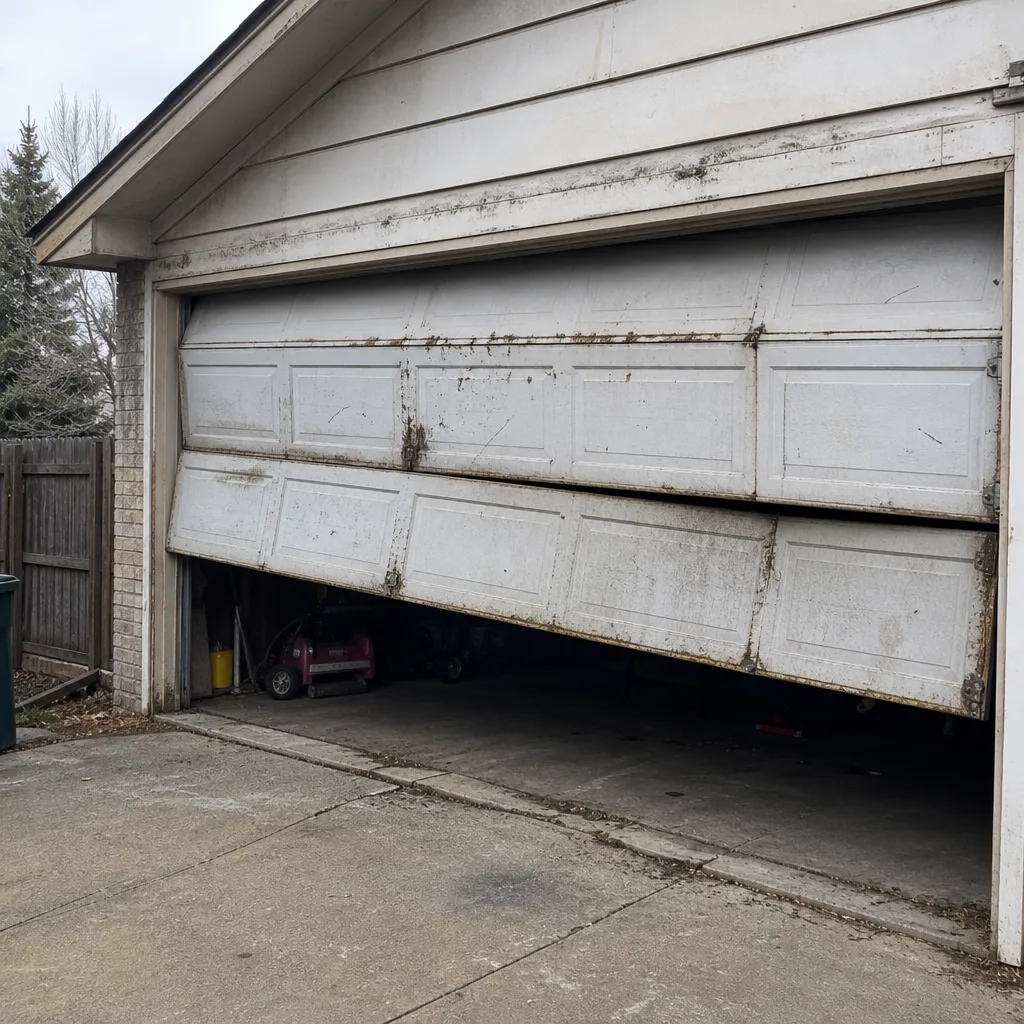 Before
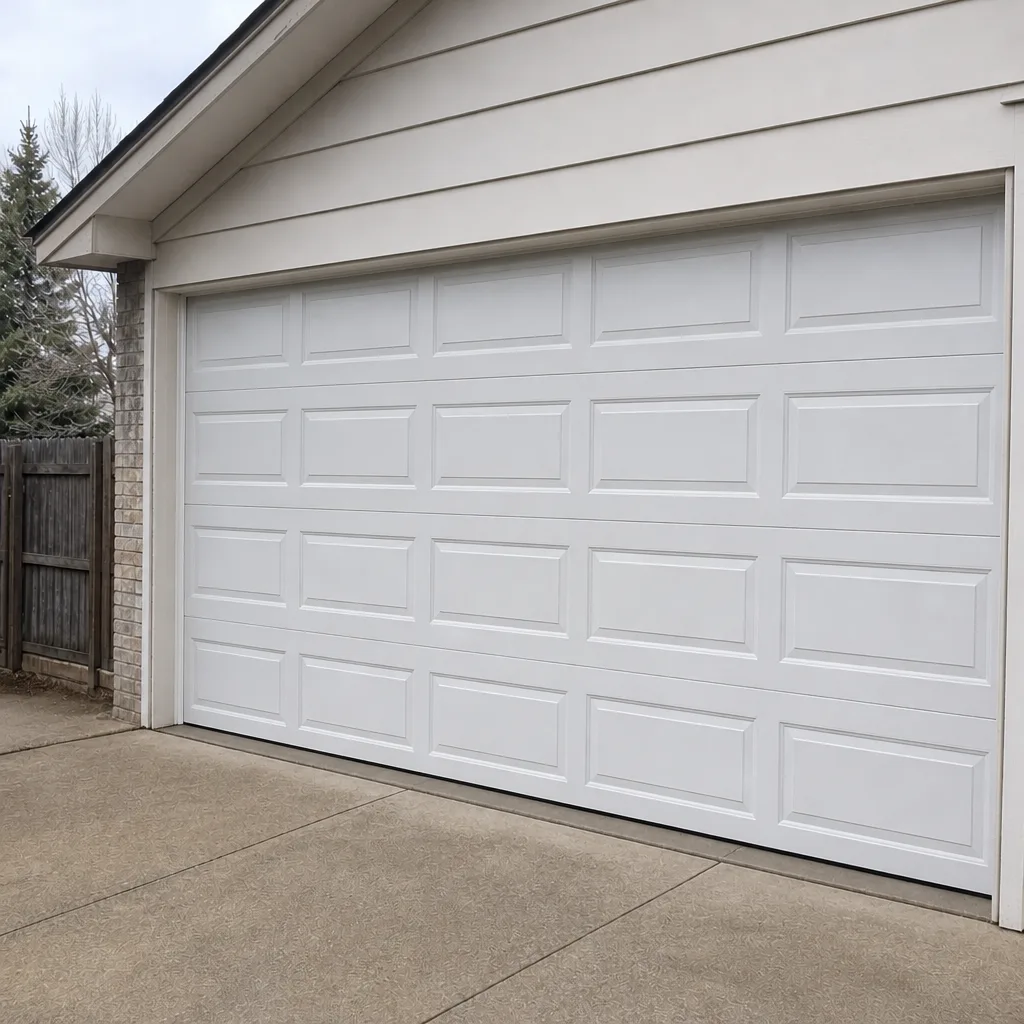 After
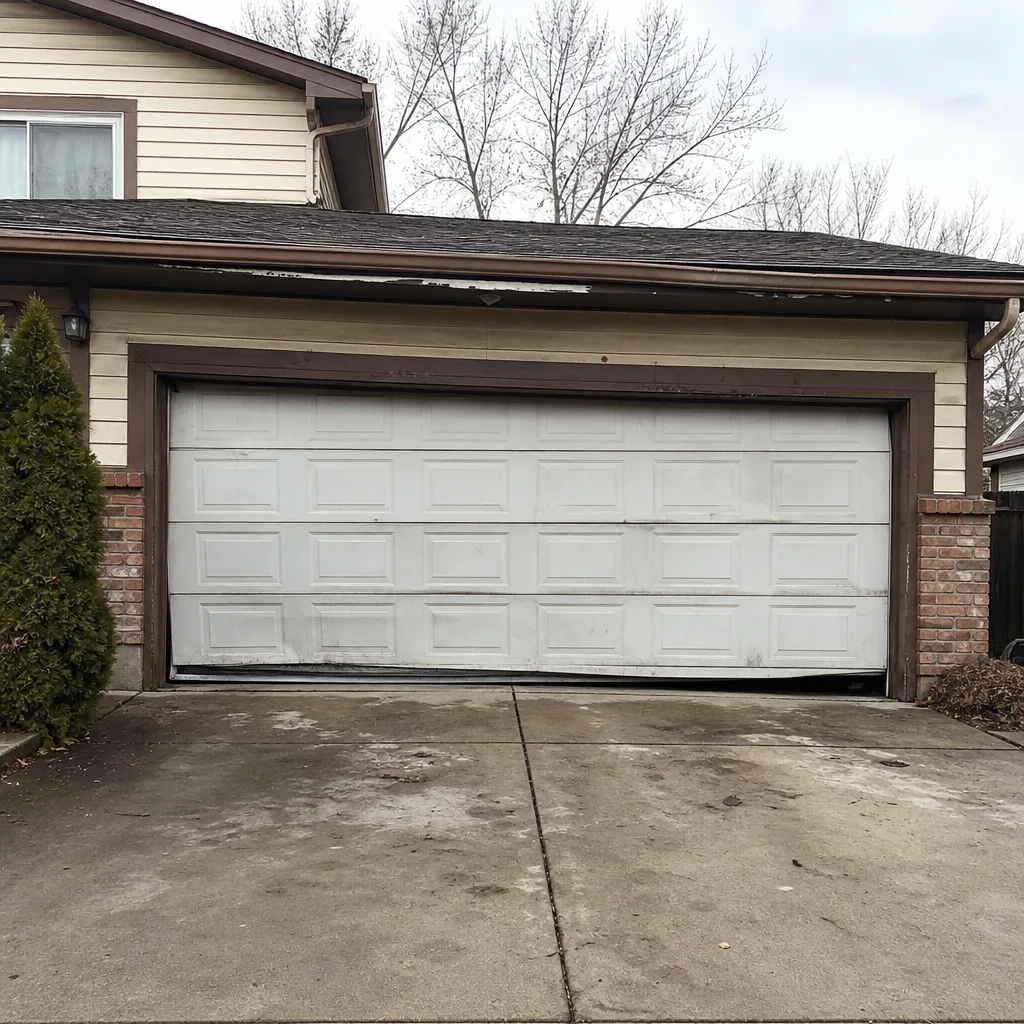 Before
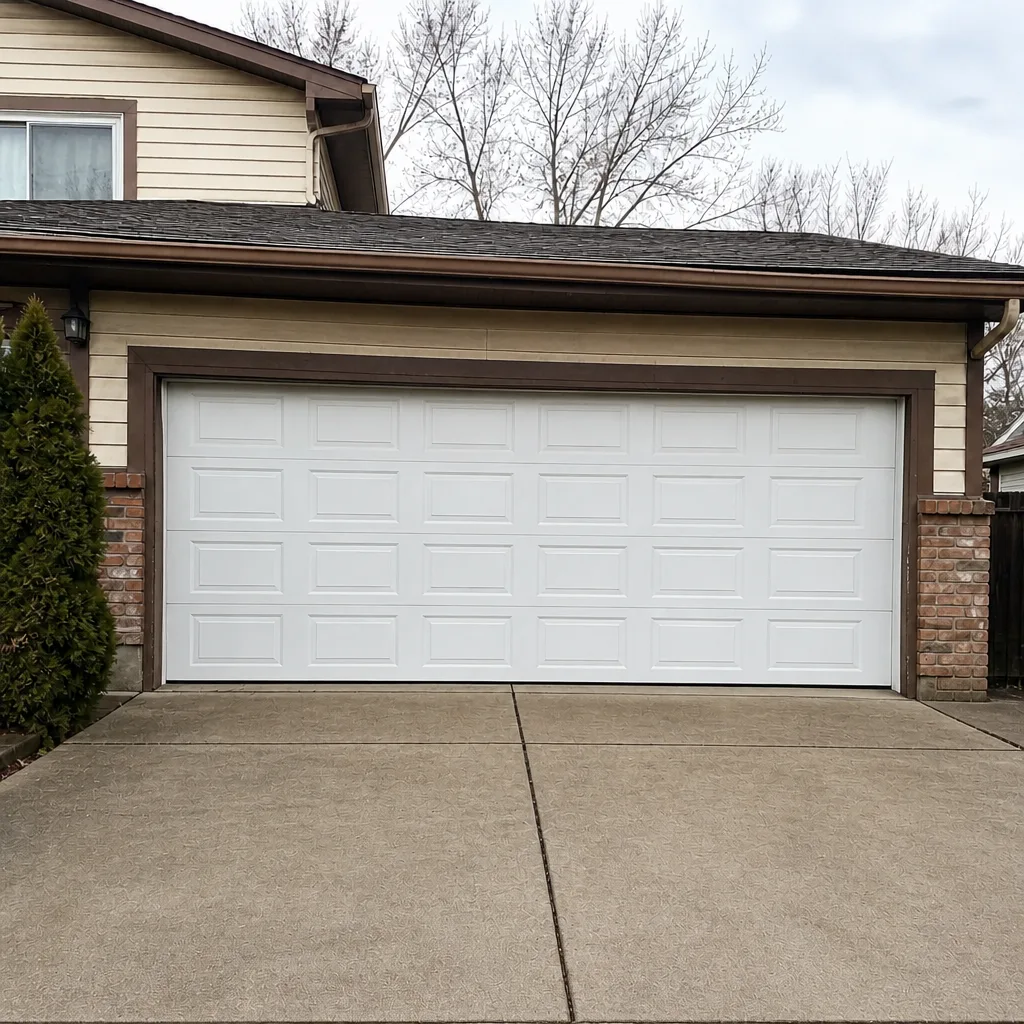 After
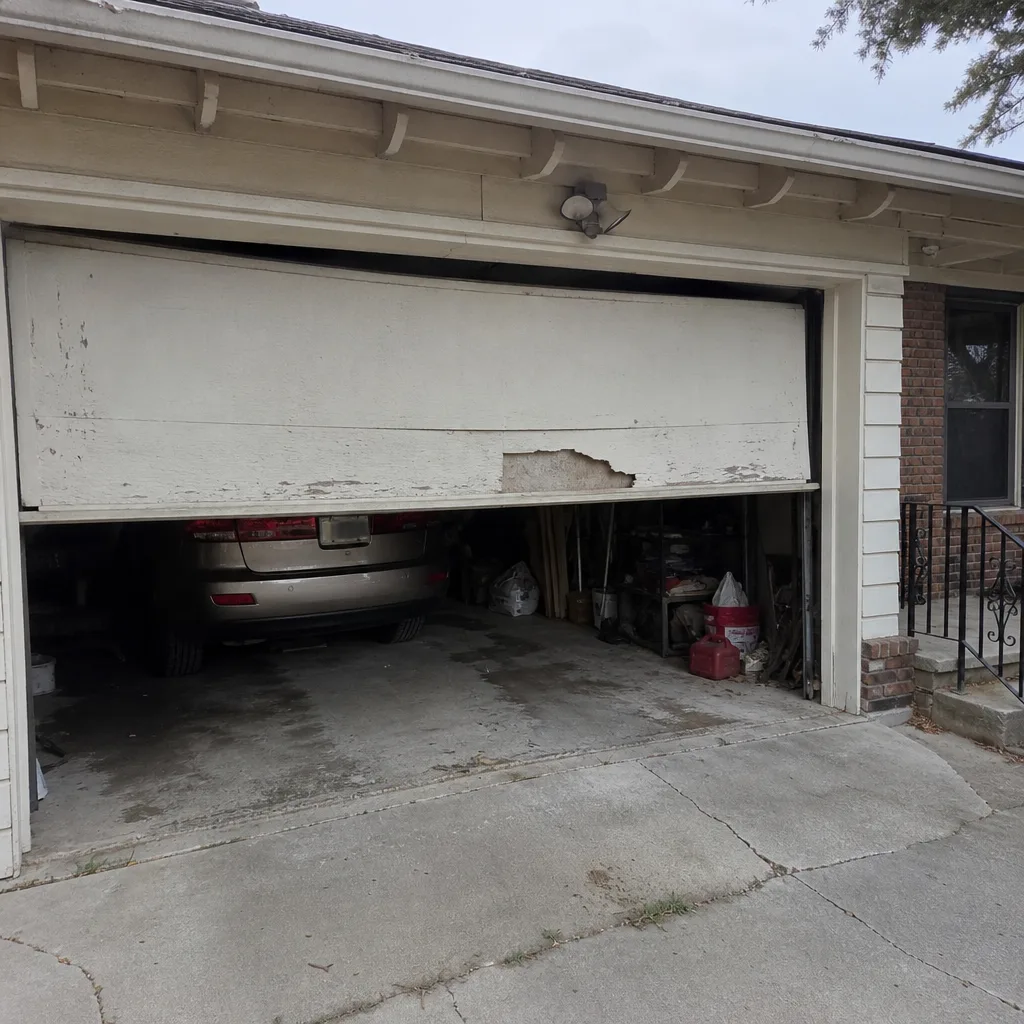 Before
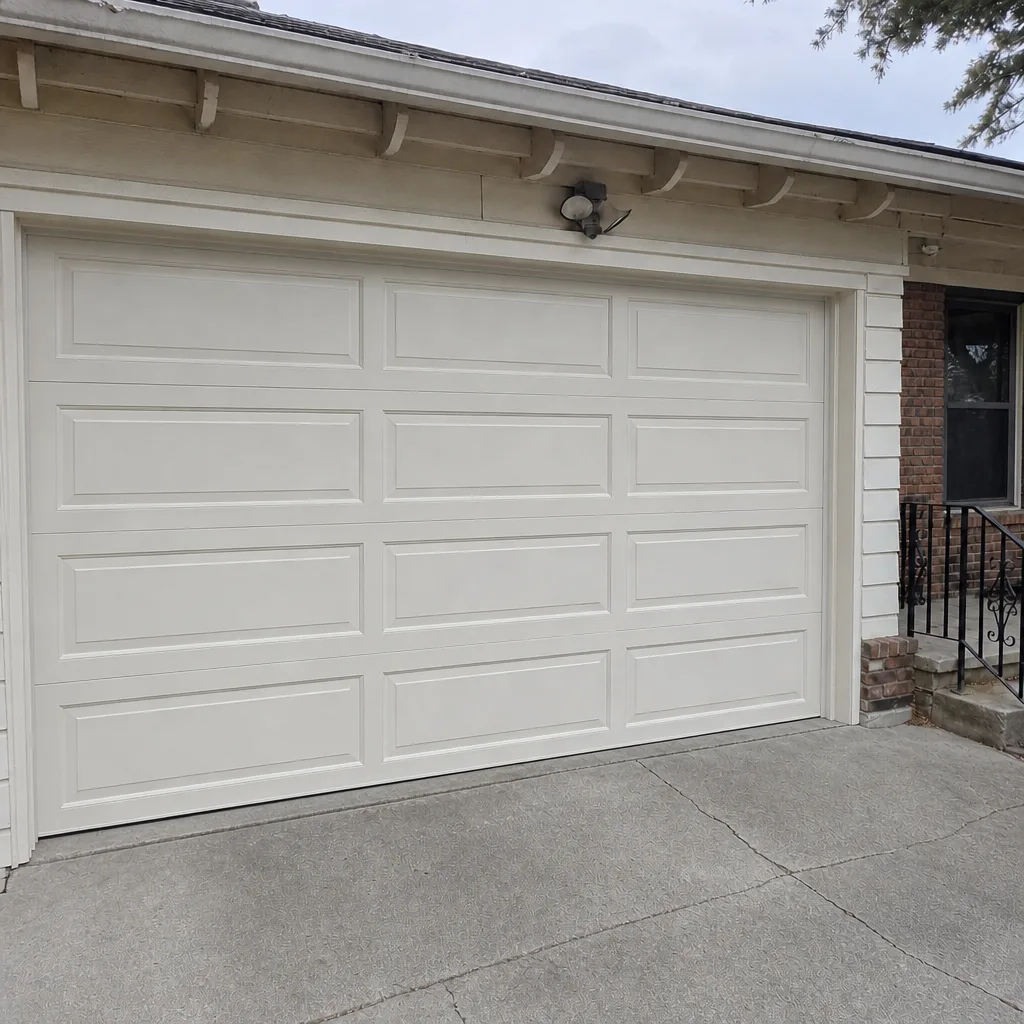 After
When to Call a Professional
Some garage door problems are genuinely urgent and shouldn’t wait for a convenient day. A snapped spring that leaves the door stuck open or closed, a door that’s come off its track, a door that won’t close fully, or an opener that’s failed and trapped your car inside are all calls for a specialist. Spring and cable problems are the ones to never touch yourself – the tension involved is dangerous, and a trained technician handles it with the right tools. An opener that’s failed can usually be repaired, and a door old enough that repair no longer makes sense is a measured, scheduled replacement rather than an emergency. Garage Door Repair Dakota Ridge offers free estimates in Dakota Ridge – call (855) 337-2081 and we’ll help you sort out what the door needs.
Frequently Asked Questions
Colorado does not require a state license to work on garage doors, so there’s no state credential to check. Instead, verify that the company carries general liability insurance and workers’ compensation, that it’s a registered business, and that it specializes in garage doors rather than general handyman work. Industry certifications like IDEA accreditation are voluntary but worth asking about. Call (855) 337-2081 if you’d like to talk through what to verify – estimates are free.
Garage door repair in Dakota Ridge is priced by the job, and the written estimate sets the final price before any work starts. Spring repair is quoted per spring, and a matched pair is usually replaced together, so a pair costs about twice a single spring. We’ll give you an exact quote for your door – estimates are free. Call (855) 337-2081 to book one.
Emergency garage door service is a real offering, and a door that’s stuck open or closed can be secured the same day in many cases. We quote the price before any work starts, so you’re never surprised by the invoice. Call (855) 337-2081 and we’ll tell you what’s available for your door.
No – the price we quote is the price you pay. The written estimate sets the final price before work begins, and the line items (parts, labor, disposal) are itemized on the quote. If something changes once we’re on site, it’s discussed and agreed with you before any work proceeds. Call (855) 337-2081 for a free estimate.
The local professionals we connect you with are licensed and insured as their state requires, and they specialize in garage doors rather than general handyman work. Our technicians have up to 9 years of experience and are trained on major brands including LiftMaster, Chamberlain, Genie, Clopay, Amarr, Wayne Dalton, Craftsman, and Raynor. Call (855) 337-2081 to book an estimate.
Repair usually makes sense when the door itself is sound and the failure is a component – a spring, opener, roller, or cable. Replacement is the better call when panels are bent or cracked, when repairs keep recurring in a short span, or when the door no longer keeps your home secure. A new door is a measured and scheduled job, not a same-day fix. Call (855) 337-2081 and we’ll help you decide which path fits your door.
The Bottom Line
The gap between a garage door specialist and a generalist is invisible until something goes wrong, and in Colorado – where there’s no state license for the trade – your own vetting does the work a license would do elsewhere. Ask the five questions. Get a written, itemized quote with part brands and labor split out. Read the warranty, with parts and labor in specific terms. Treat springs and cables as the dangerous components they are and leave them to a trained specialist. A door is a system, not a part, and the company that diagnoses it correctly the first time is the one worth hiring. If you’re in Dakota Ridge and want a free estimate, call (855) 337-2081.
Written by the team at Garage Door Repair Dakota Ridge.