Last updated November 23, 2026
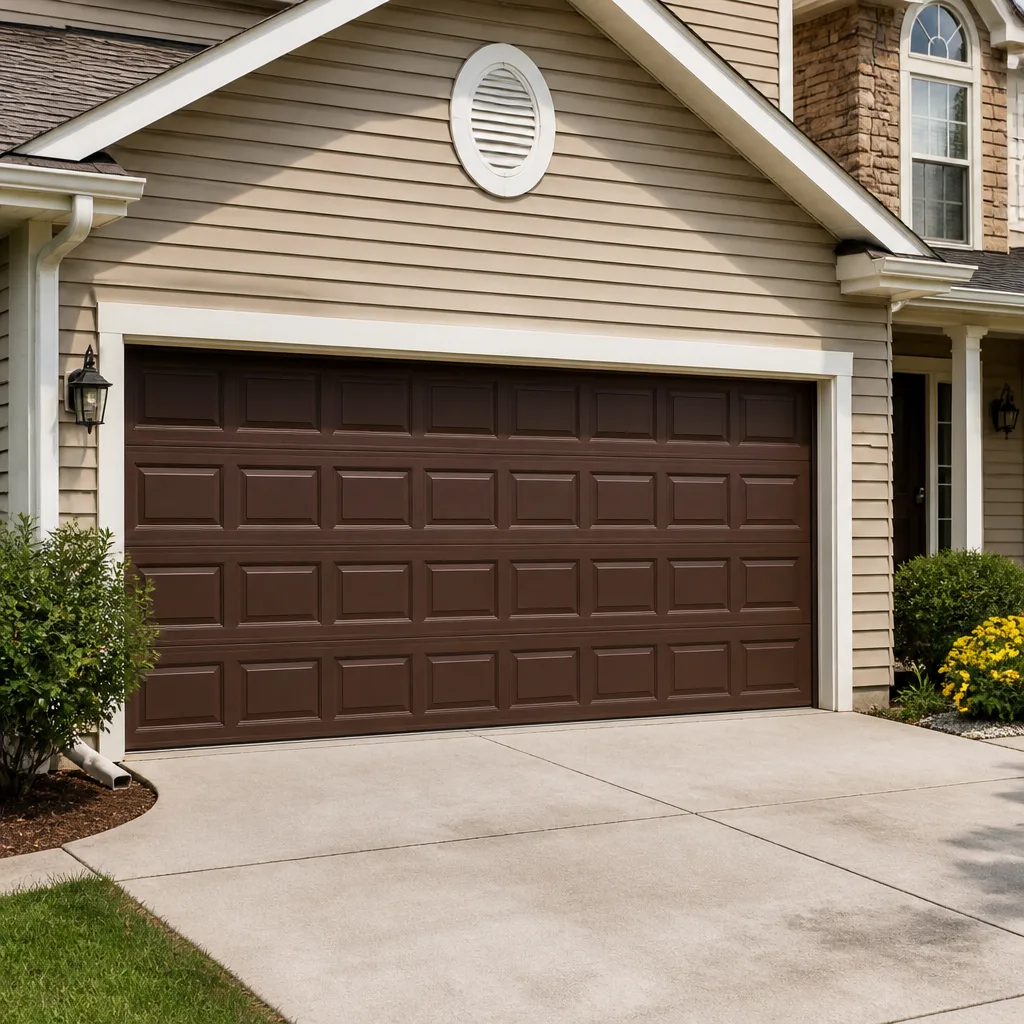 Raised-panel steel
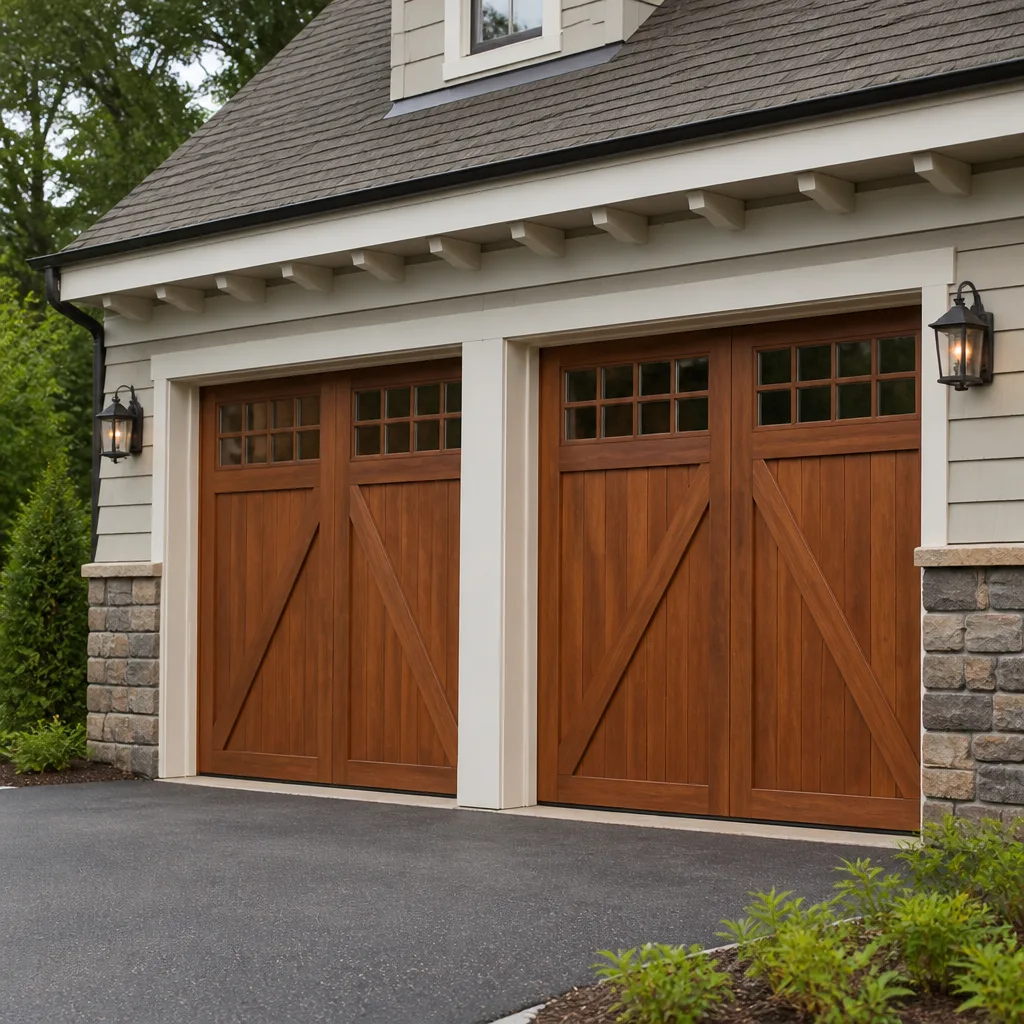 Carriage house
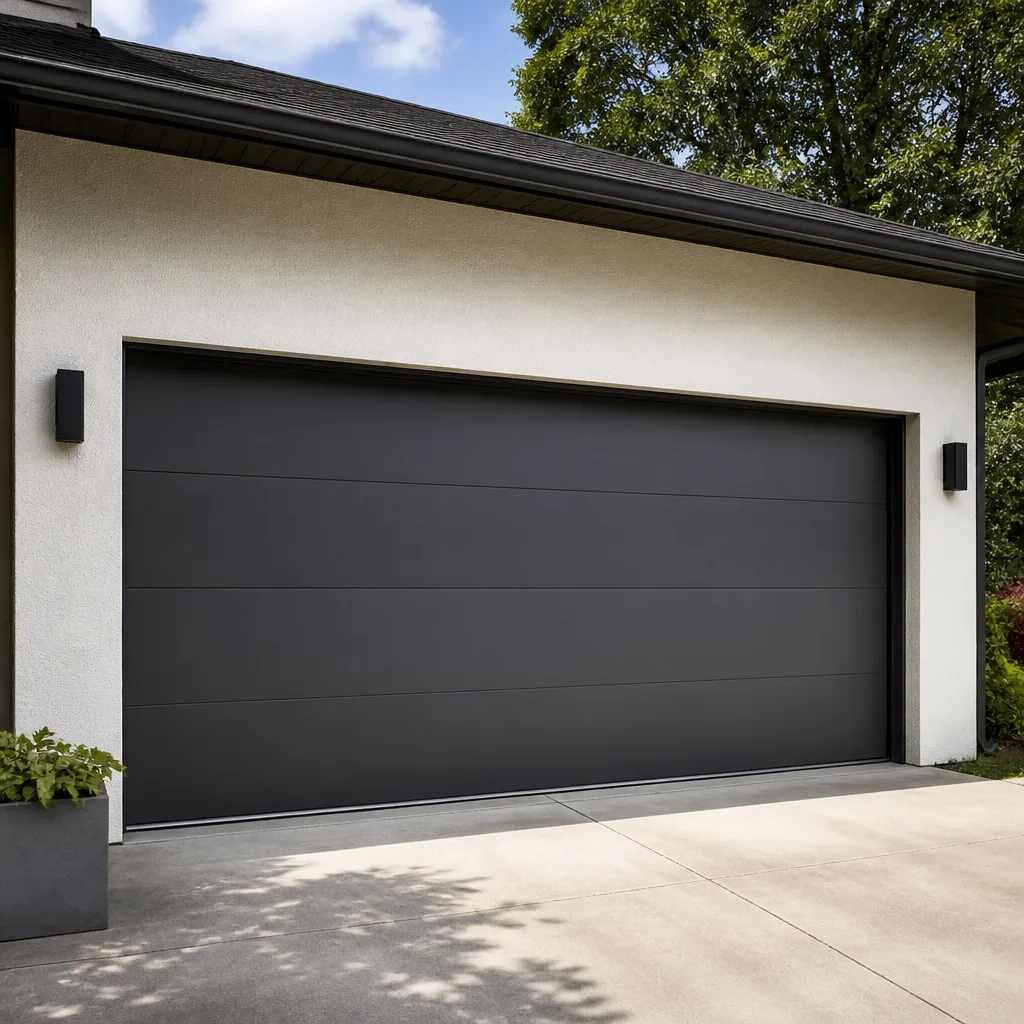 Modern flush
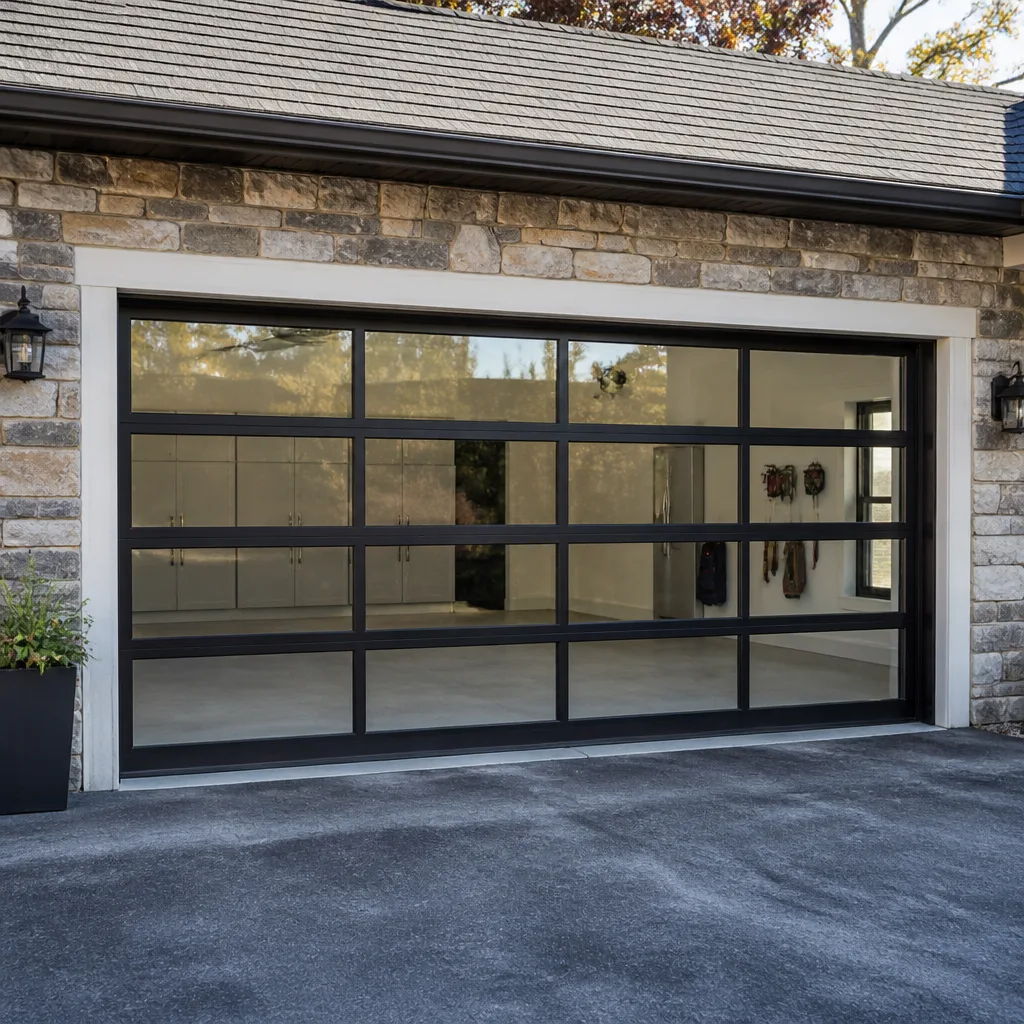 Full-view glass
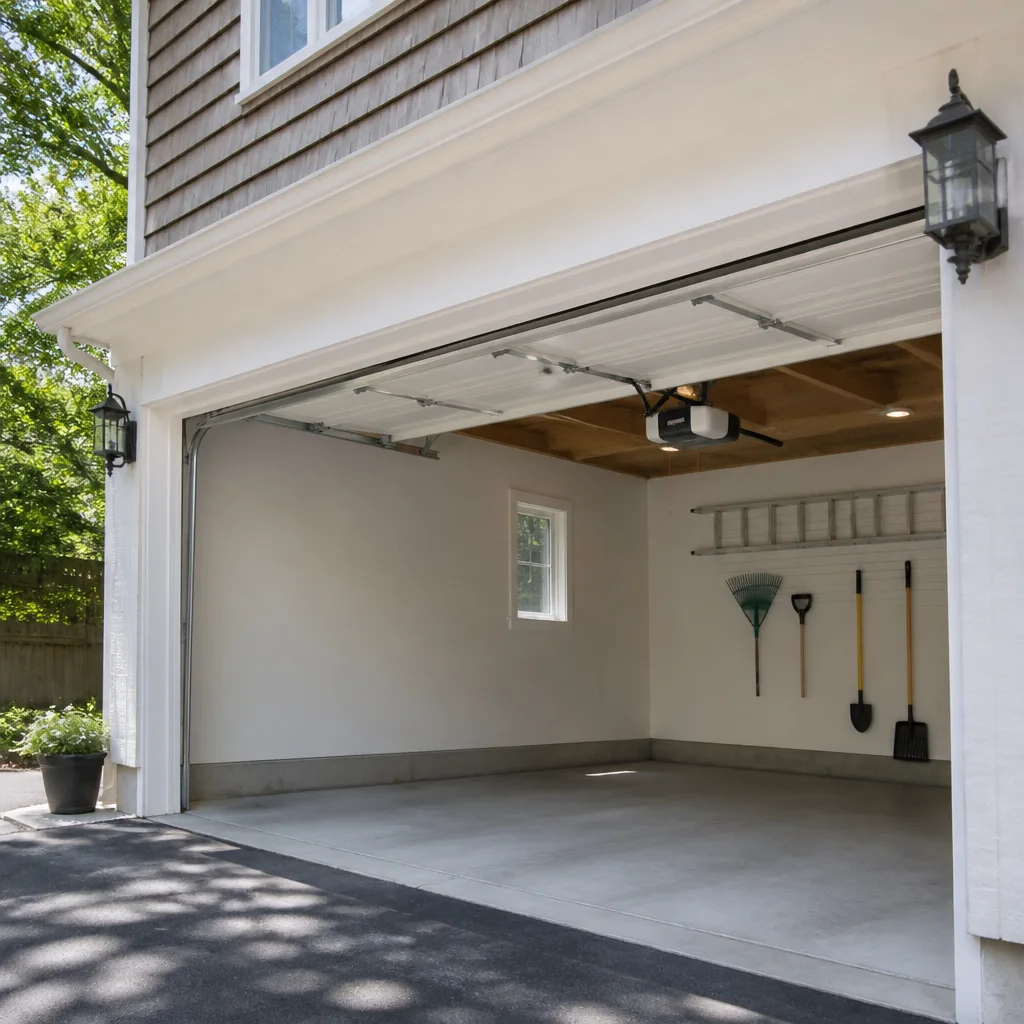 LiftMaster openers
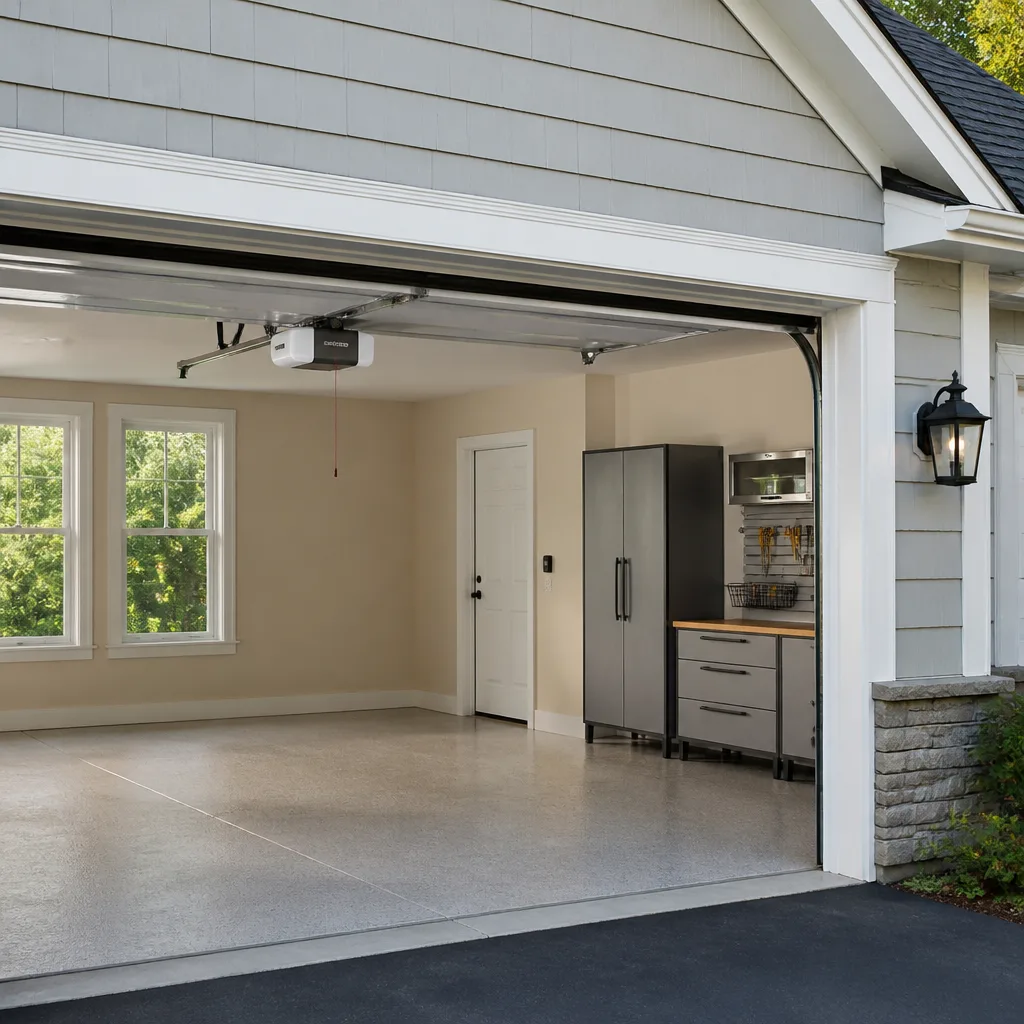 Chamberlain openers
Full 25-point door and opener safety check with every visit - springs, cables, rollers, tracks, and your LiftMaster or Chamberlain opener included
You get a price before we start. It does not change when the pro arrives.
Get your free estimateSeasonal Garage Door Care for Dakota Ridge: Year-Round Homeowner’s Guide
Most homeowners in Dakota Ridge assume the deepest cold of January is what breaks a garage door. In our experience it isn’t. The calls tend to cluster in October and again in March, the two weeks when the temperature swings hardest and the whole door is caught between one state and the next. Metal expands and contracts, lubricant thickens and thins, and a seal that sat flat all winter suddenly drags against a slab that’s thawing unevenly. This guide walks you through the care calendar that actually matches Dakota Ridge weather: what to check before the freeze, what’s really happening when a door quits in the thaw, how western sun eats a door in summer, and the ten-minute inspection that follows every wind event. You’ll find checklists, a pre-freeze tune-up, and clear guidance on when a job belongs in a professional’s hands.
Styles & brands we work with
- Raised-panel steel
- Carriage house
- Modern flush
- Full-view glass
- LiftMaster openers
- Chamberlain openers
Quick Answer
Seasonal garage door care in Dakota Ridge comes down to preparing the door before the first hard freeze, watching for stress damage through the winter, and deliberately resetting everything during the March thaw. The two transitions in and out of freezing weather do far more damage than the cold itself, which is why most local failures show up as the temperature crosses back and forth around 32 degrees. If you handle lubrication, tension checks and seal adjustments before each transition, you avoid the majority of cold-season breakdowns.
Table of Contents
- Why Dakota Ridge Climate Is Hard on Garage Doors
- Pre-Freeze Preparation: Your October Checklist
- What Sub-Zero Temperatures Do to Steel, Wood and Weatherstripping
- The March Thaw Protocol: Why Doors Fail in Spring
- Summer UV and Heat on Western-Facing Doors
- Post-Windstorm Inspection in Ten Minutes
- A Month-by-Month Rhythm for the Whole Year
- Common Mistakes to Avoid
- When to Call a Professional
- Frequently Asked Questions
- The Bottom Line
Why Dakota Ridge Climate Is Hard on Garage Doors
Dakota Ridge sits where the foothills meet the plain, and that position means the local weather is rarely steady. A single winter day can involve a mild morning, a fast cold front, and an overnight drop well below freezing. Garage doors don’t handle that kind of swing gracefully because the components are made of different materials that move at different rates. Steel panels, aluminum tracks, nylon rollers, rubber seals and the springs themselves all respond to temperature on their own schedule, and every shift puts a little strain on the joints that hold them together.
The terrain around Dakota Ridge adds to it. Sloped lots and exposure to wind coming off the foothills mean some driveways take a direct hit from gusts that other parts of the metro never feel. Doors on a west-facing wall also absorb the most afternoon sun in summer, which is a slow-moving problem that shows up years later as faded panels and brittle seals.
What this means for a homeowner is that seasonal care isn’t optional maintenance for a place like Dakota Ridge. It’s the difference between a door that coasts through the year and a door that calls for garage door repair in the middle of a cold snap when you least want to deal with it.
The single most important idea in this guide: the transitions are the danger, not the depths. October and March are the months to plan around, and the checklist for each is different. If you can hold those two weeks steady, the rest of the year tends to look after itself.
Pre-Freeze Preparation: Your October Checklist
The best time to prepare a garage door for a Dakota Ridge winter is before the first hard freeze, which usually means sometime in October. The work involved is small and mostly involves lubrication, adjustment and inspection, not repairs. Done once, it prevents the failures we see most often in November and December: stiff rollers, a bottom seal that has frozen to the slab, and a door that runs harder than it should because the lubricant has thickened.
Here’s the pre-freeze routine we recommend:
- Lubricate the moving parts with cold-rated grease. Rollers, hinges, the torsion bar bearings and the opener’s rail all need a lubricant rated for below-freezing temperatures. Standard household oil thickens in the cold and turns into drag. A garage-door specific lubricant stays fluid when the thermometer drops.
- Check the balance of the door. Disconnect the opener and lift the door by hand. It should come up easily and stay in place about waist-high. If it slams or drops, the springs are likely out of balance and the opener will be fighting them all winter.
- Inspect the spring tension visually. Torsion springs should have a visible gap between the coils. Extension springs should show no stretch or kinks. Look for rust or dark spots that suggest fatigue, but do not attempt to adjust the tension yourself.
- Condition the bottom seal. Clean the rubber and apply a silicone-based protectant so it doesn’t weld itself to a cold slab. A frozen seal tears when the door opens, and once it tears, cold air and pests get in for the rest of the winter.
- Test the safety reverse. Place a piece of wood in the door’s path and close it. The door should reverse on contact. This is a check you can do safely and repeat all winter.
- Clear the tracks of grit. Foothill wind carries grit into the track channels, and a single pebble can derail a roller in cold weather. Wipe the tracks with a dry cloth and check them again after the first windy week.
If your springs are near the end of their life, the pre-freeze window is also the best time to schedule garage door spring repair. A spring that fails in mild October weather is a manageable problem; a spring that snaps on a 5-degree night is a genuine emergency, and the whole door may freeze in the open position while you wait for help.
What Sub-Zero Temperatures Do to Steel, Wood and Weatherstripping
Different door materials age very differently in sustained cold, and knowing what to look for helps you catch problems early. Whether your door is a steel model from Clopay or Amarr, or a wood-overlay design from Wayne Dalton, the seasonal stress shows up in predictable places.
Steel door skins contract in cold weather. On a strong panel with a good paint finish, this is harmless. On a panel with a small ding or a paint chip, contraction can open the chip into a crack. Watch the bottom panel especially, since it takes the most splashing from melted snow and the most contact with the seal.
Wood overlays and wood doors absorb moisture differently in freezing weather, and the grain moves. On a Wayne Dalton or Amarr door with wood components, look for small hairline cracks near the panel edges after the first freeze. A single crack is usually cosmetic; multiple cracks along the same stile suggest you should have the door looked at.
Weatherstripping is the most temperature-sensitive part of the whole system. Vinyl seals harden in cold weather and lose their flexibility. A hardened seal cracks, flattens, or tears away from the retainer. Once that happens, cold air finds its way into the garage, which also drops the temperature of the opener’s battery backup and any stored tools or paint in the garage.
Signs of cold stress to look for in January and February:
- Small hairline cracks along the bottom panel of a steel door
- Wood grain separation on wood or wood-composite doors
- Weatherstripping that has stiffened or shows cracks at the corners
- A door that suddenly needs extra force to start opening
- New squeaks or groans from the hinges when the door is at its coldest
Catch these early and most are cheap to fix. Let them go and any of them can develop into a problem that involves the tension of the door itself, which is a job for a trained technician, not a weekend project.
The March Thaw Protocol: Why Doors Fail in Spring
Here’s the part most homeowners miss: a door that ran perfectly from November through February often fails in March. The moisture that has been sitting in concrete, in the tracks, and in the seal all winter melts and refreezes repeatedly as temperatures cross the freezing line. Water expands when it freezes, and every freeze cycle pushes a little more against whatever is near it. Cables can shift slightly, tracks can bow, and the slab itself can heave just enough to make the bottom seal drag.
What’s usually happening mechanically when a door quits in March:
- Rollers running on a warped track. Water in the track channel freezes, then thaws, then refreezes. The expanding ice flexes the metal slightly, and the rollers bind against a channel that was straight in October.
- A cable that has jumped its drum. Cables that were under stable tension all winter can shift when the springs settle slightly on warm days. If a cable jumps the drum, the door becomes unbalanced and dangerous to operate.
- A spring that was already tired. Metal fatigue doesn’t pause when it gets cold. A spring at 80 percent of its cycle count in the fall is likely to fail in the spring if it also went through 40 or 50 freeze-thaw cycles.
- A bottom seal that has deformed. The rubber squashes into the concrete during a thaw, then hardens in a refreeze. By April it can drag on every open and close.
Your spring thaw protocol, in order:
- Walk the perimeter and look at the seal. If it’s dragging on the slab, lift it in one corner and see whether the door runs easier. If it does, the seal is the problem.
- Open and close the door by hand and listen. Rumbling, grinding or uneven motion means the tracks or rollers are binding.
- Check the balance again. If the door won’t hold its position, the springs need attention.
- Look at the cables where they meet the drum. A cable that’s visibly off the drum is not a door to operate until it’s fixed.
- Look at the track alignment. Gaps or bends in the vertical track mean the door needs adjustment.
- Test the opener. If the door moves freely by hand but the opener struggles, the issue is usually in the motor or the logic board rather than the door.
If any single point in that list turns up a real problem, our team can handle the harder issues through Garage Door Repair Dakota Ridge. The March thaw is the best time of year to get a full inspection, because a bad finding shows up before it turns into an emergency.
Summer UV and Heat on Western-Facing Doors
Western exposure is common in Dakota Ridge, and it takes a quiet toll on garage doors every summer. A west-facing door gets the full force of the afternoon sun, which drives panel surface temperatures far above the air temperature. Years of this cycle produce the faded paint and chalky surface that nearly every door older than about eight years eventually shows, and it degrades the weatherstripping faster than any other season.
What to watch each summer:
- Fade and chalking on painted steel panels. A faded panel is usually cosmetic, but chalking (a white powder that wipes off the surface) means the clear coat has oxidized. That’s a sign the paint needs attention before the metal starts to corrode underneath.
- Hardened or cracked weatherstripping. UV exposure breaks down rubber faster than cold does. The first sign is a seal that has turned brownish and lost its flexibility.
- Discolored or brittle plastic on opener sensors. Some Genie and Chamberlain parts are plastic, and sun exposure over years makes them brittle. A sensor housing that cracks can fail intermittently, which is confusing to diagnose.
- Sagging or warping on wood overlay doors. Wood-composite and wood doors need a fresh coat of sealant every few years in a sunny climate. Uneven fading across panels is often the first sign the outer finish has broken down.
The simple fix for summer sun is a good wash and a coat of paste wax on painted steel doors every spring, followed by a sealant refresh on wood doors. For rubber seals, give them a treatment with silicone protectant in June, the same product that helps them survive the winter. If your door is painted and starting to fade, a repaint in late spring preserves the panel before the damaging summer months.
If your opener is struggling in summer heat, or a sensor keeps failing intermittently, that’s usually garage door opener repair territory. A trained technician can tell you quickly whether it’s a component failure or something simpler.
Post-Windstorm Inspection in Ten Minutes
Foothill wind events are a real feature of Dakota Ridge. Gusts coming down off the ridge can hit a garage door broadside, and the door itself is a big flat surface that catches a lot of force. Even if the door looks fine after a windstorm, a quick ten-minute inspection can catch small problems before the next gust turns them into a real fault.
Do this in order after any notable wind event:
- Look at the cables. Both should be straight and taut where they run from the bottom bracket to the drum. A visibly slack or kinked cable is a serious problem. Do not operate the door until a professional has seen it.
- Wiggle the panels. Gently push against each panel from the inside. There should be no movement between the hinges. Any looseness means the hinges took a hit.
- Check the track alignment. Stand inside the garage and sight along the length of the horizontal track. A bent section is usually visible as a slight kink. If the door binds when you open it by hand, stop and call.
- Look at the door’s roll. If the panels are visibly out of line as the door opens, one side is running faster than the other. That means the door is out of alignment and could come off the track.
- Check the bottom seal. A gust can lift the seal and pull it out of one corner. A seal that’s hanging loose will drag, freeze, and tear.
- Test the opener’s auto-reverse. Same test as before: wood in the path, close the door, watch it reverse. This double-checks that nothing about the wind event affected the safety system.
If any of these steps turn up a real problem, stop using the door. Garage doors weigh a lot even when everything is working correctly, and a door that’s out of alignment under spring load is a genuine safety concern. Our team handles both routine and urgent repairs if a wind event has taken a real toll on the door.
A Month-by-Month Rhythm for the Whole Year
If you want a simple version of all of the above, this is what a full year of seasonal care looks like in Dakota Ridge. The idea is to keep the two big transitions (October and March) in focus and let the rest of the year be easy check-ins.
- October: Pre-freeze checklist. Clear the roller path, apply cold-rated lubricant, check spring balance, inspect the bottom seal, and set yourself up for a smoother winter.
- November: Watch the first hard freeze. Confirm the door still opens and closes smoothly, check the seal doesn’t stick to the slab, and schedule repairs before the holidays if anything new has appeared.
- December through February: Monthly visual inspections. Look for new stress cracks on panels, plus a light re-lubrication on the hinges and rollers once around the New Year. Listen for any change in the door’s sound.
- March: Spring thaw protocol. Hand-cycle the door, check cables at the drum, inspect the track alignment, look at the bottom seal drag. This is your most important inspection of the year.
- April and May: Spring tune-up. Wash the door, wax painted steel, apply silicone to the seals. Schedule a professional inspection if you skipped one in March.
- June through August: Summer sun care. Watch for fade and chalking, treat the weatherstripping, refresh wood sealant or paint where needed. Check the opener for heat-related intermittent failures.
- September: Wind-season entry. After the first big foothill gust event, do the ten-minute post-wind inspection. Then back into the October pre-freeze routine.
Our technicians have up to 9 years of experience with all the major brands you’ll find in Dakota Ridge. That includes working on doors from Wayne Dalton, Amarr and Clopay alongside the openers from LiftMaster, Chamberlain, Genie and Craftsman. If your annual rhythm is running smoothly, most years you won’t need us. If something looks off, we’d rather hear about it in June than in January when it’s a real emergency.
Common Mistakes to Avoid
- Assuming the deep cold is the danger. In Dakota Ridge the failures cluster around the two transitions, not the middle of winter. Prepare for October and March, not just January.
- Using the wrong lubricant. Household oil and WD-40 thin out of the rollers in cold weather and turn into drag. Use a garage-door specific cold-rated product and reapply it before the first freeze.
- Tightening the springs yourself. Torsion and extension springs are among the most dangerous components in a home. Adjusting either without training or the right tools is a serious injury risk. Leave tension work to a trained technician.
- Skipping the March inspection because the door ran fine all winter. The thaw is exactly when a tired spring or a warped track can finally give way. Do the check even if last week was fine.
- Ignoring a wind event. A quick post-wind inspection catches a small track bow before it becomes a roller replacement. Waiting until the door binds is the expensive path.
- Letting a bottom seal stay frozen to the slab. A seal that has bonded to the concrete will tear the moment the door opens. A silicone protectant in October prevents it.
- Using the opener to test for balance issues. If the door is out of balance, the opener will mask the problem for weeks and burn itself out. Always test by hand, with the opener disconnected.
When to Call a Professional
A lot of seasonal care is genuinely DIY: lubricating rollers, cleaning tracks, checking the auto-reverse, applying silicone to the seal, watching for fade and cracks. Those checks are worthwhile and we recommend them. But there are specific situations where the safe thing is to call in a trained technician rather than try to fix it on a Saturday afternoon.
Call us for: a broken spring (either torsion or extension), a door that won’t open at all, a cable that’s off its drum, a track that’s visibly bent or pulling away from the wall, a door that hangs unevenly when it opens, an opener that’s failing or making a new noise, and any situation where the door is stuck in a partially open position. All of those involve spring tension, high-force mechanical components, or both, and none of them are safe to troubleshoot without training.
Garage Door Repair Dakota Ridge offers free estimates in Dakota Ridge. Call (855) 337-2081 and our team will schedule a visit. Every price is quoted and agreed before any work begins, and we handle everything from a single broken spring to a full door replacement. Emergency garage door service is available when a broken door can’t wait; ask when you call and we’ll get you scheduled as quickly as the day allows.
Frequently Asked Questions
Twice a year is the practical answer: once in October before the hard freeze, and once in March as the thaw gets going. Those two visits catch almost every problem that a season of Dakota Ridge temperature swings creates. In between, a monthly visual check of the seal, the cables and the tracks is enough for most doors. If you have a wood or wood-overlay door, add a summer finish check as well.
The March thaw is a transition problem, not a spring problem. Water that sat in the tracks and the slab all winter melts, expands through freeze-thaw cycles, and shifts the cable, track or roller alignment just enough to bind. Tired springs that survived the cold often fail in the first warm days. If your door is quitting in March, the diagnosis usually comes down to a track that has warped, a cable that has jumped, or a spring that ran its last cycle.
Yes, lubricating rollers, hinges and the opener rail is safe with the door at rest and the opener unplugged. The work that is not safe is anything involving the springs, the cables, or the torsion bar. Those components store a lot of energy, and a mistake there can cause serious injury. If your pre-freeze check turns up a spring that looks tired or a cable that looks off, call us.
Repair makes sense when the door is functionally sound and a single component has failed: one spring, one roller, a damaged panel, a failing opener. Replacement starts to make sense when the door is showing structural problems (a warped frame, multiple cracked panels, a bottom section that’s rotting) or when repairs would cost more than half the price of a new door. We always give you the honest answer, whether that’s repair or replacement.
No. The written estimate we give you before any work starts is the price you pay. If we open the door up and find that we missed something, we tell you before doing any additional work and give you a revised estimate in writing. You decide whether to proceed. We don’t do surprise invoices.
The local pros we connect you with are licensed and insured as their state requires, and they’re trained specifically for garage door work rather than as general handymen. Our technicians have up to 9 years of experience with the major door and opener brands, including LiftMaster, Chamberlain, Genie, Clopay, Amarr, Wayne Dalton, Craftsman and Raynor. Call (855) 337-2081 for a free estimate, and we’ll schedule a visit.
The Bottom Line
Seasonal care in Dakota Ridge isn’t four equal seasons of generic tips. It’s two transitions that do most of the damage, with everything else organized around them. Prepare in October, watch through the winter, reset in March, and keep an eye on western exposure through the summer. Add a quick wind inspection after foothill gusts and you’ve covered 80 percent of what actually breaks a door in this climate. The work involved is small and mostly free; the repairs you avoid aren’t. If your door needs more than a check this year, our team can help.
Call (855) 337-2081 for a free estimate on any garage door repair, spring repair, opener repair, or new installation in Dakota Ridge. We’re a single-trade specialist, not a general handyman, and every price is quoted and agreed before work starts.
Written by the team at Garage Door Repair Dakota Ridge.
See the difference
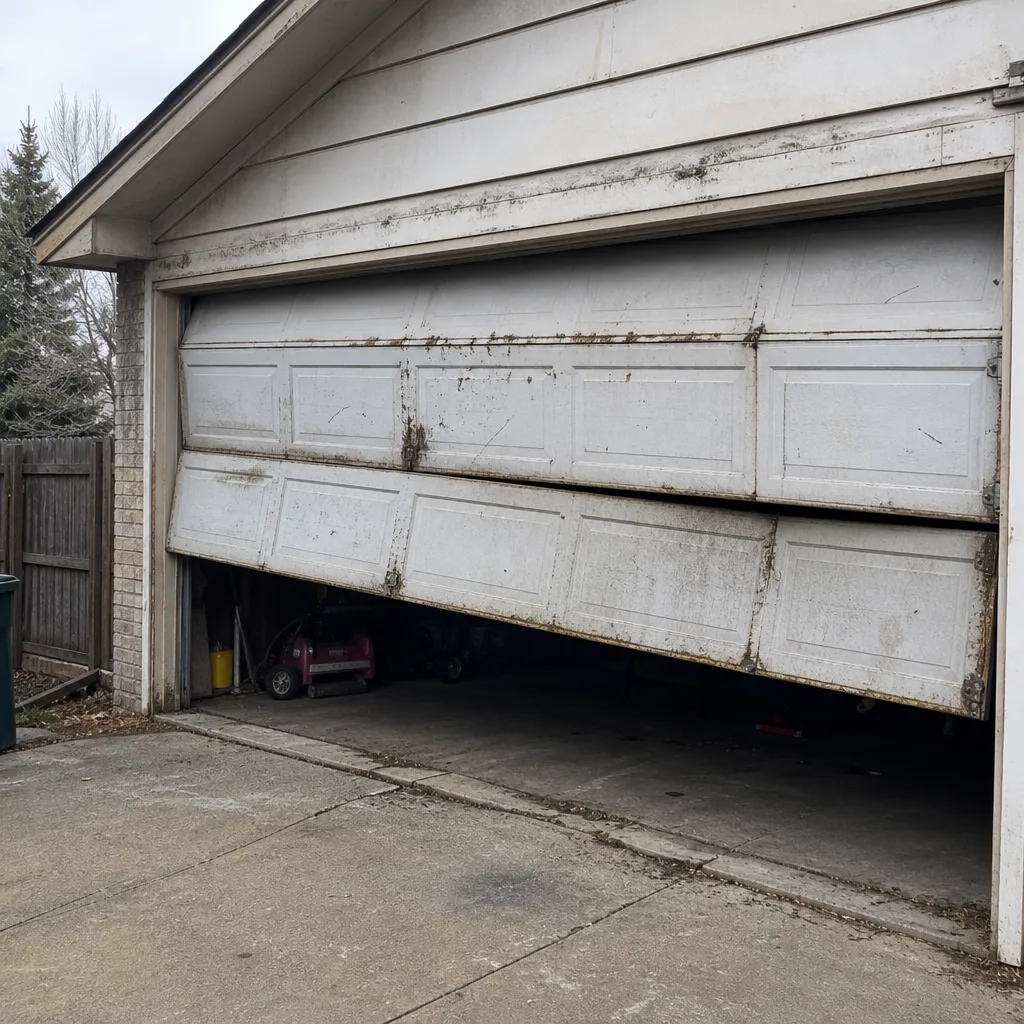 Before
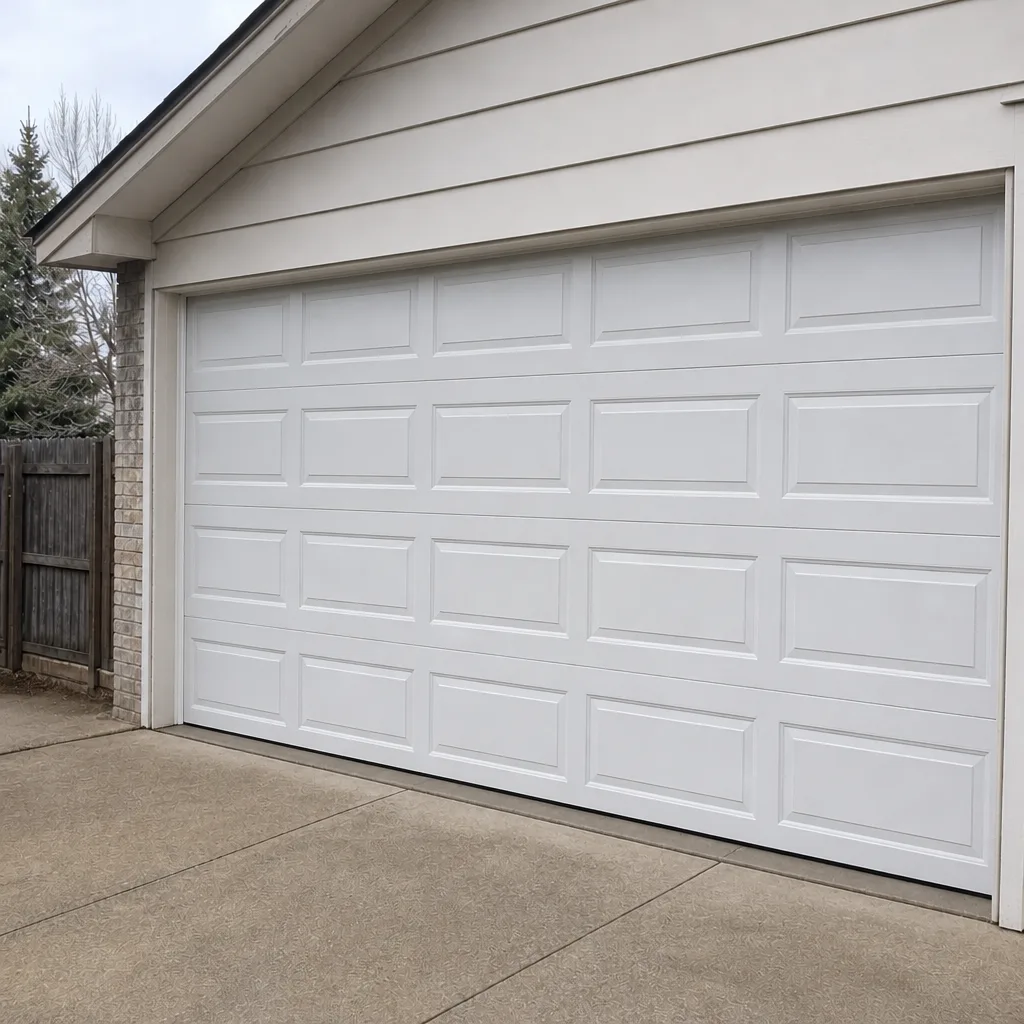 After
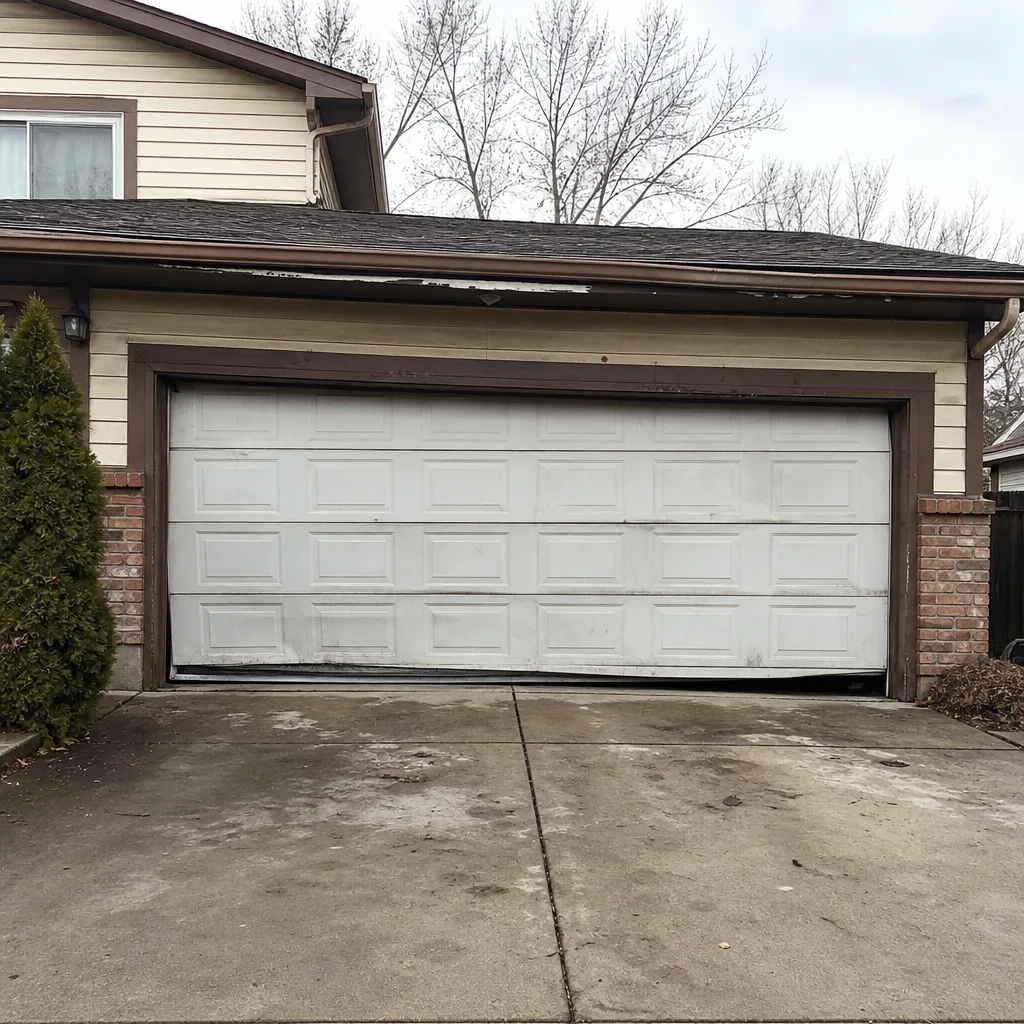 Before
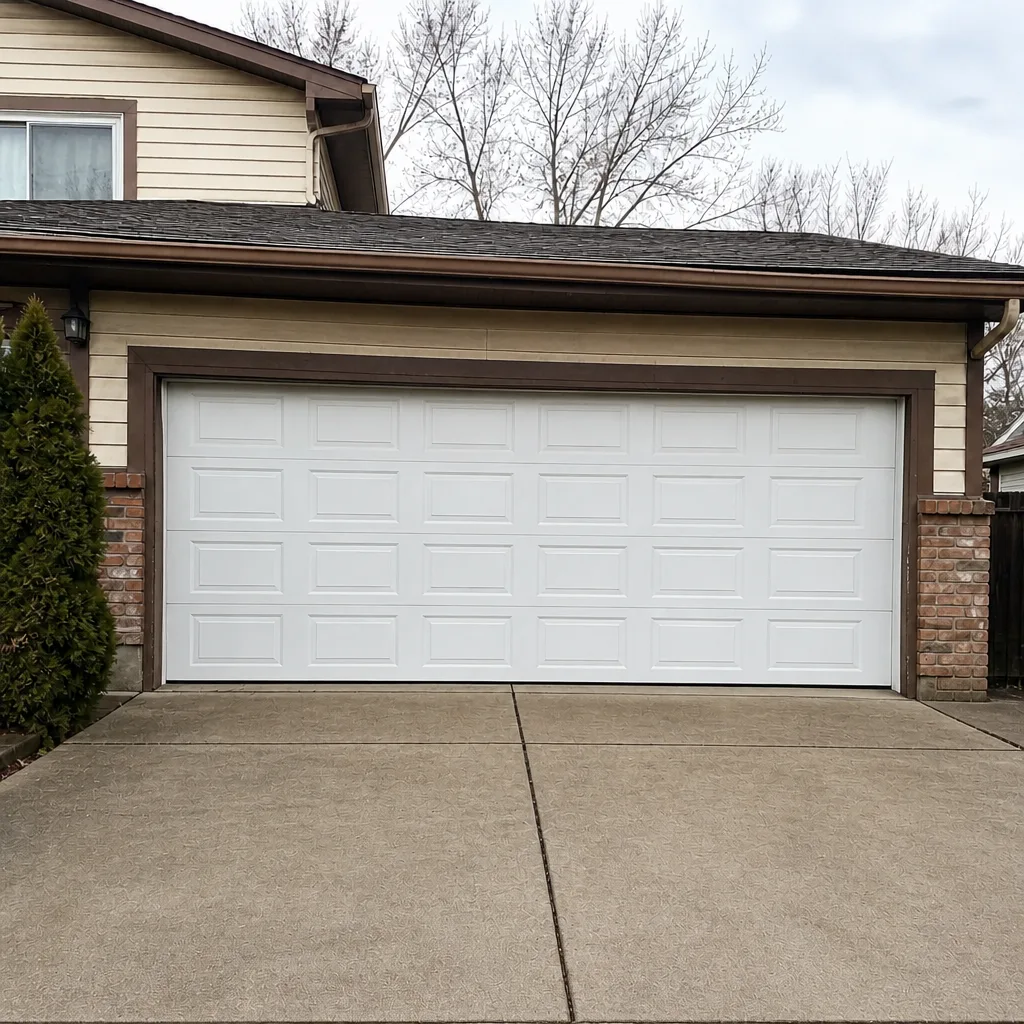 After
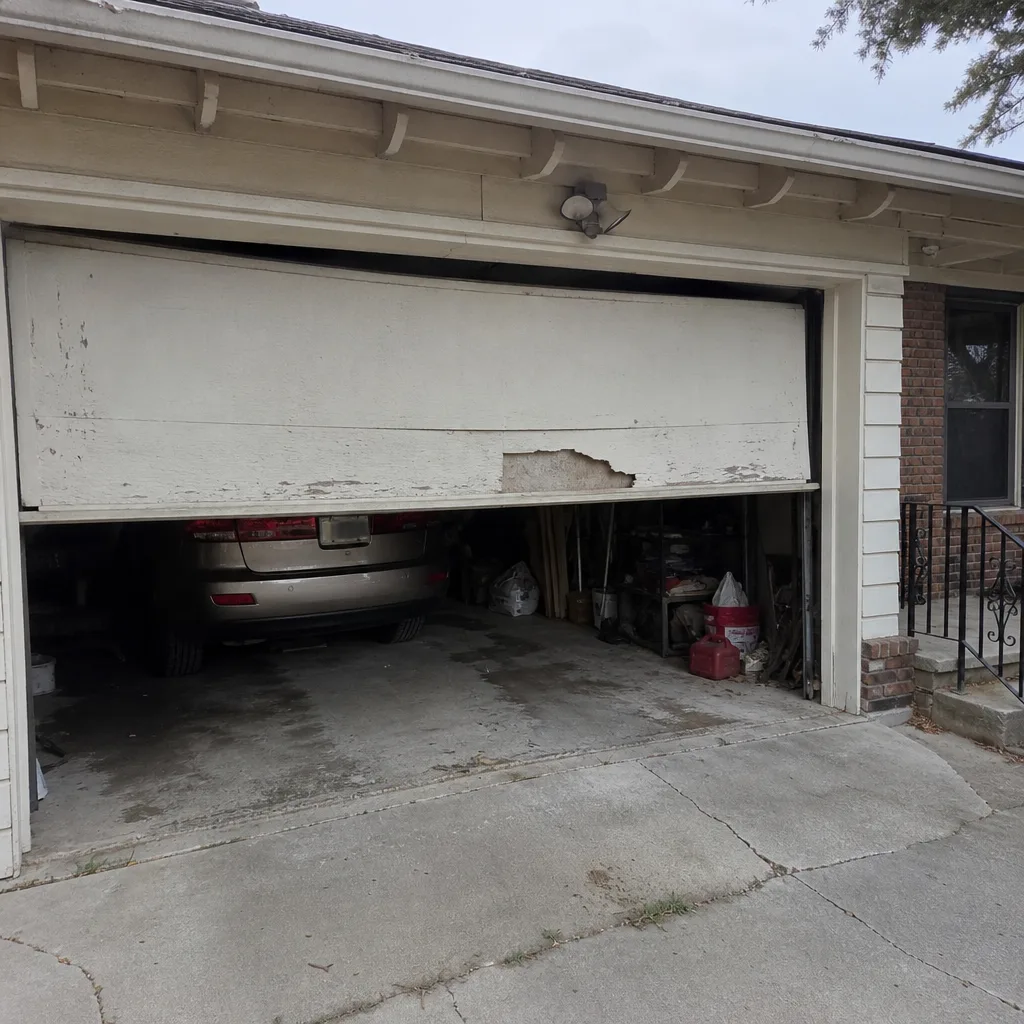 Before
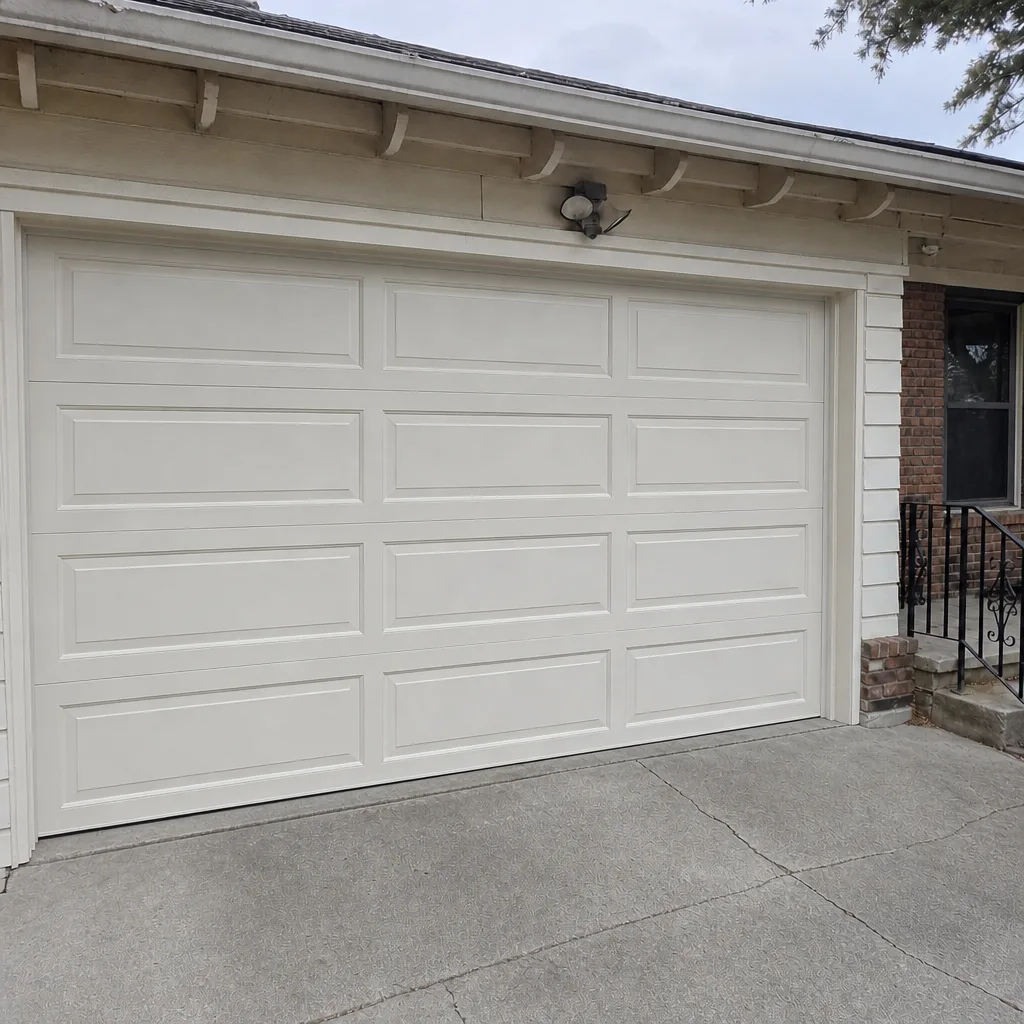 After