Last updated November 23, 2026
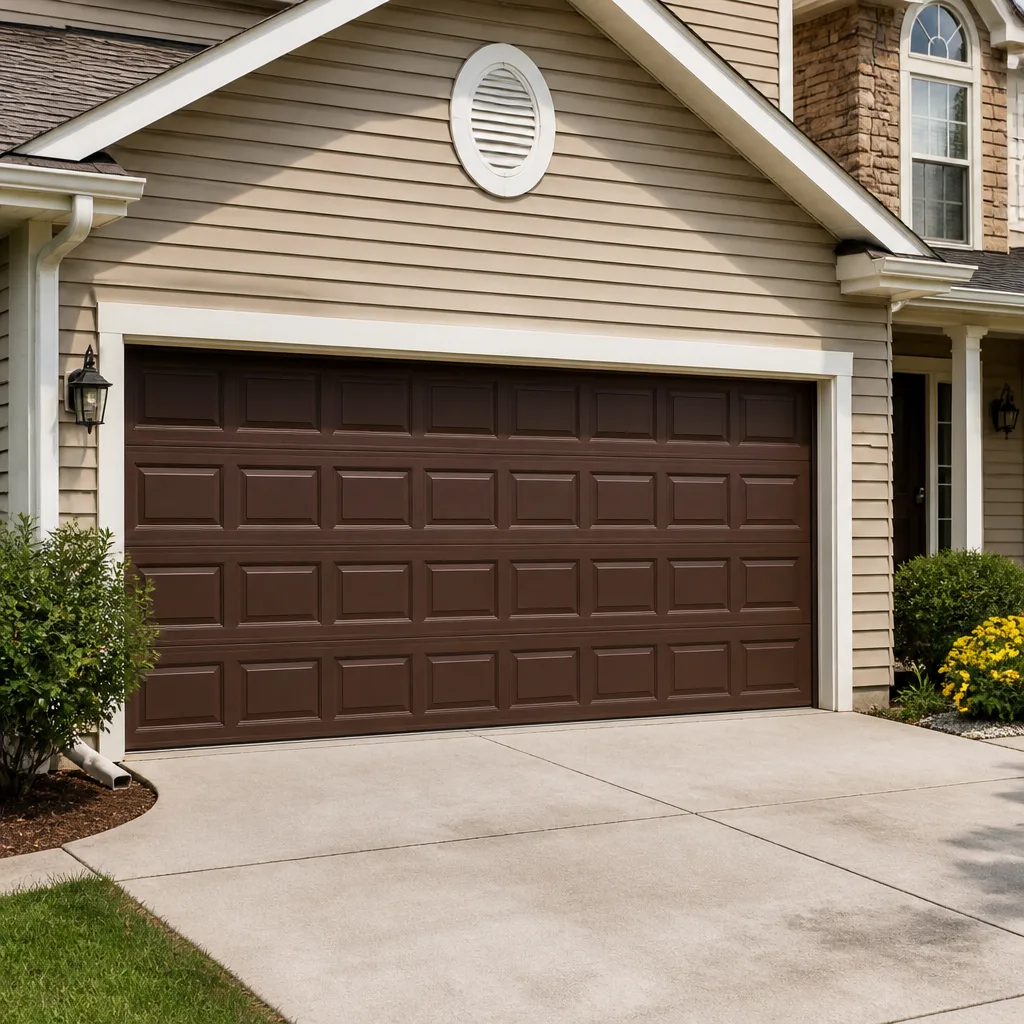 Raised-panel steel
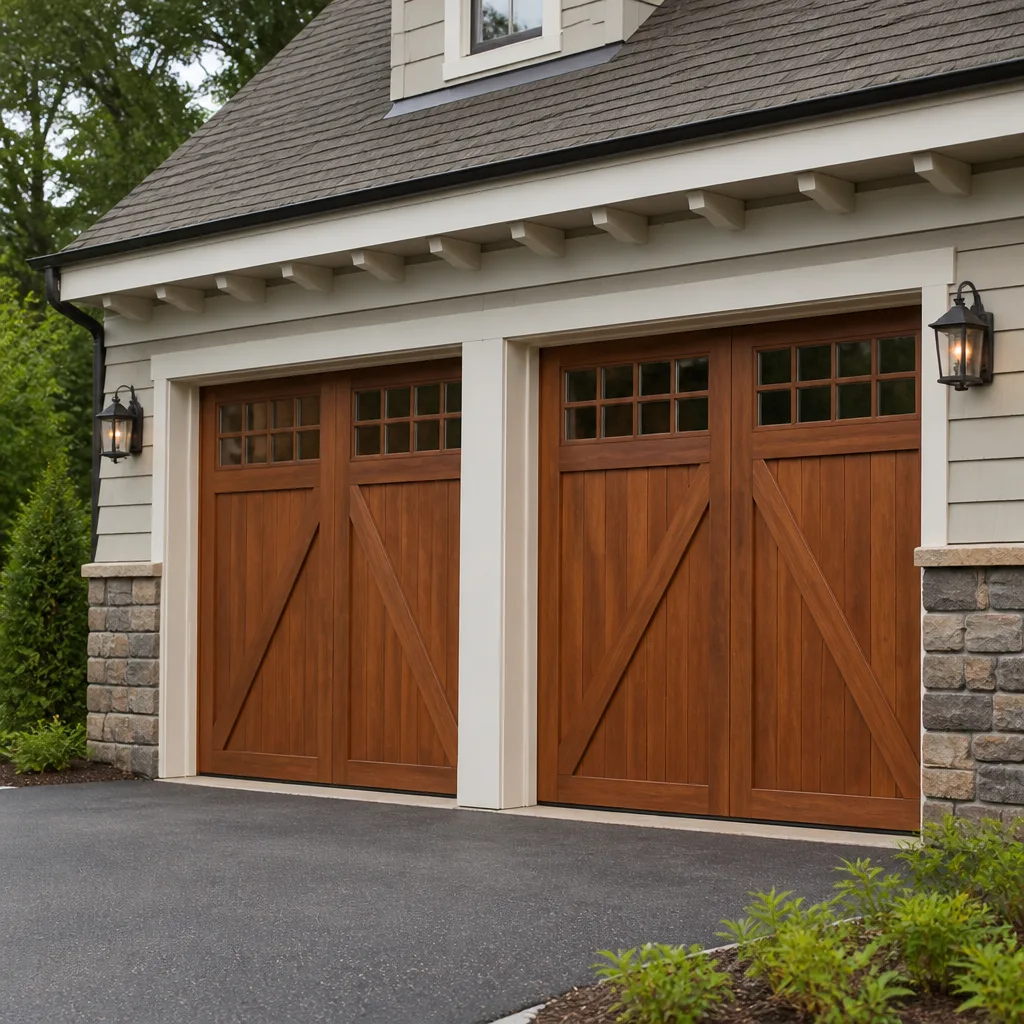 Carriage house
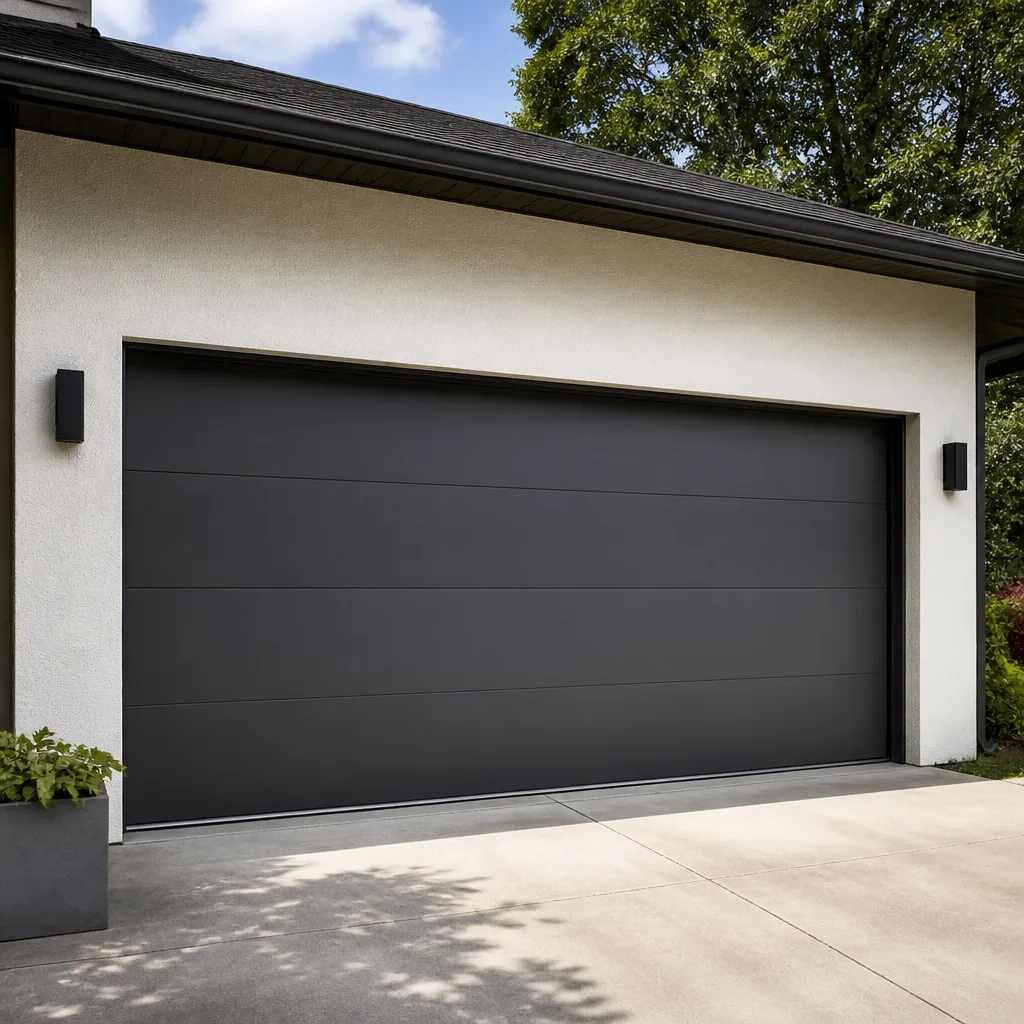 Modern flush
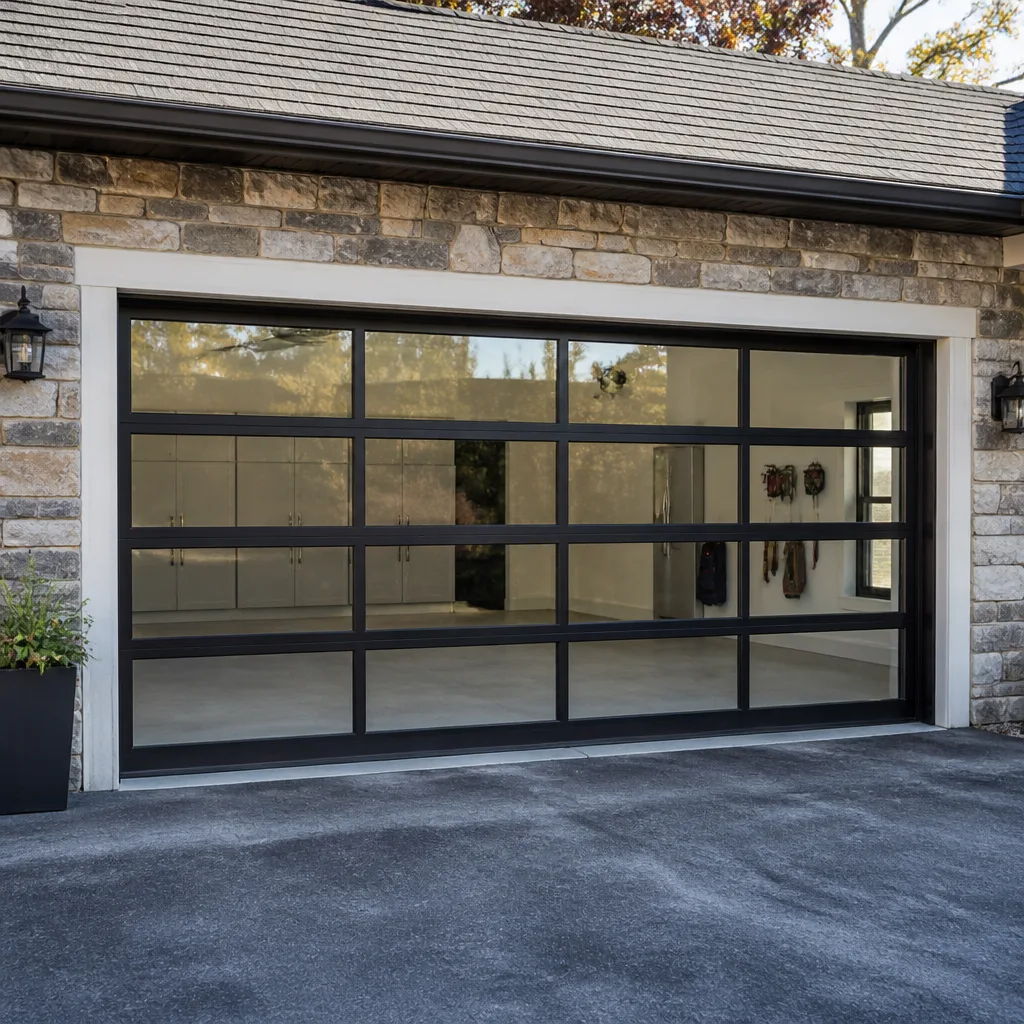 Full-view glass
 LiftMaster openers
 Chamberlain openers
Full 25-point door and opener safety check with every visit - springs, cables, rollers, tracks, and your LiftMaster or Chamberlain opener included
You get a price before we start. It does not change when the pro arrives.
Get your free estimateGarage Door Warning Signs: A Dakota Ridge Homeowner’s Reference Guide
By the time a garage door sounds bad, it’s already been failing silently. The grinding, the slowness, the drift – those are the third act. This guide starts at the first act, when fixing it is still cheap. Most of what a Dakota Ridge homeowner notices is a downstream symptom; the real mechanical failure started weeks earlier with a subtler signal that’s easy to miss if you don’t know what you’re looking at. Below, we walk through the early tells, the late ones, and how to tell the two apart before a warning becomes a breakdown.
Quick Answer
The earliest warning signs of garage door trouble are subtle changes in how the door moves and sounds: slightly uneven travel speed, a faint bounce when the door reaches the floor, a thin line of light along the bottom seal, or a low hum from your opener that wasn’t there the week before. These appear before the obvious symptoms – grinding, drifting, a door that reverses at random – and they’re the cheapest signals to act on. If any of them show up, get the door looked at before the problem grows.
Styles & brands we work with
- Raised-panel steel
- Carriage house
- Modern flush
- Full-view glass
- LiftMaster openers
- Chamberlain openers
Table of Contents
- Early Warning Signs Most Homeowners Miss
- Diagnosing Sounds: Lubricate vs. Stop Using the Door Today
- Reading the Door’s Movement Pattern
- Visual Inspection Points: Springs, Cables, and Rollers
- Cold-Weather Warning Signs Specific to Dakota Ridge
- The Monthly Safety Sensor Test
- When to Call a Professional
- Common Mistakes to Avoid
- Frequently Asked Questions
Early Warning Signs Most Homeowners Miss
The signs that show up first are almost never the ones people call about. They’re the small deviations a homeowner walks past every day without registering. In our experience, the door’s mechanics telegraph wear long before anything dramatic happens – if you know where to look. Here are the earliest signals we teach Dakota Ridge homeowners to watch for:
- Uneven travel speed. The door should move up and down at a steady pace. Slowing at the top, lagging in the middle, or jerking slightly on the way down is often a roller or track issue – not yet serious, but already measurable.
- A faint bounce at the floor. When the door hits the ground, it should settle cleanly. A subtle rebound is often the first sign the bottom seal is wearing or the door isn’t sitting square.
- A new hum from the opener. If your LiftMaster or Chamberlain opener sounds different than it did a few weeks ago, the motor is compensating for friction somewhere in the system.
- Inconsistent completion. A door that opens all the way one day and stops an inch short the next is telling you about travel-limit drift, not about the opener being “temperamental.”
- Faint clicks or pops during travel. These usually point to a roller or hinge at the start of failure, not the end.
None of these mean the door is about to fail. They mean the system is starting to work harder than it should, and that’s the moment when a repair is small. A door that gets intermittent symptoms for weeks is usually a door that needs the same repair, just later and larger. If you’re noticing any of these but the door still works, that’s exactly the window where a diagnosis from a specialist who works this trade every day saves you money.
Diagnosing Sounds: Lubricate vs. Stop Using the Door Today
Not every bad sound is an emergency. Some are maintenance; some mean stop using the door right now. The difference matters enormously, because pushing a door through the wrong sound – a snap, a pop, a sudden metallic scrape – can turn a spring repair into a door replacement, or worse. Here’s how we sort the two categories.
Sounds that mean “lubricate soon”
- Squeaking that builds gradually and quiets after the door has run a few times.
- A low, rhythmic hum from a chain or belt drive opener (common with older Craftsman and Raynor openers).
- Faint grinding on rollers as they round a curve in the track.
- Chirping at hinges or a squeal from the torsion tube.
These are friction signals. They’re worth acting on because friction accelerates wear, but they aren’t a stop-use moment.
Sounds that mean “stop and call today”
- A loud snap or bang from overhead. That’s often a torsion spring breaking. Stop using the door, and don’t try to lift it manually without help.
- A sharp metallic scrape from one side. That’s usually a cable off its drum or fretting against the track. Don’t run the door again.
- Popping that repeats on every cycle, getting louder. This is often a cable that’s beginning to fray under load. The next stage can be a snap.
- A grinding that persists after the door stops moving. This can indicate opener gear failure. It’s not usually dangerous but the door should stay down until it’s checked.
If a Dakota Ridge door is making one of the stop-use sounds, treat it as a service call, not a learning opportunity. High-tension springs and cables are the most dangerous parts of any garage door system – a trained technician is the only safe way to work on them, and this is a job we take seriously.
Reading the Door’s Movement Pattern
How a door moves tells you as much as how it sounds. Before you look for visible damage, watch the door for a full open-and-close cycle. In our experience, the movement is the fastest diagnostic – a trained eye can often name the likely culprit from a three-sentence description of the door’s behavior. Here’s the mapping we use:
- Sluggish for the first 6 to 12 inches, then normal. Most often a binding roller or a track alignment issue at the bottom. Left alone, this puts extra load on the opener.
- Speeds up briefly, then slows at the top. Frequently a torsion spring losing tension. The opener is compensating, which shortens its life.
- Drifts back down an inch after closing. A sign the door isn’t traveling fully to the closed position, often due to a misbalanced spring or limit setting. On a Raynor or Clopay door it can also point to hinge wear.
- Bounces on reversal. The safety reverse is engaging too early, usually because the door is dragging. It’s a safety feature doing its job, but it’s signaling a mechanical problem.
- Intermittent reversal at height. The door runs, reverses partway up, then runs again. That can mean the travel limits are drifting or the safety sensors are getting an intermittent read.
- Reversing without triggering the sensor. Usually the opener’s logic board – best checked by a specialist rather than reset by trial and error.
These motion behaviors are exactly the kind of pattern that separates a real diagnosis from guesswork. A generalist handyman may swap a sensor and move on. A dedicated garage door specialist knows how a Chamberlain opener thinks, how a Clopay door tracks, and what the movement is actually telling them about the spring underneath.
Visual Inspection Points: Springs, Cables, and Rollers
A visual inspection takes two minutes and gives you a real read on the system’s health. It won’t tell you everything – some failures are hidden inside drums and tension – but it catches the wear that’s already visible. Do this from the floor, with the door fully closed, and do not reach into the mechanism.
- Look at the torsion spring above the door. A fatigued spring often shows a visible gap of an inch or more in the coil. A spring that has snapped is obvious – two halves hanging out of line. Do not touch it; call a technician.
- Check the vertical extension springs (if you have them). Look for gaps at the coil ends, stretched-out sections, or a spring that hangs visibly lower than the other side.
- Inspect the cables. Run your eye (not your hand) down each side. Fraying, kinks, or a cable that’s spooled unevenly on the drum is a serious signal – stop using the door.
- Examine the rollers. Steel rollers should be round and quiet. Nylon rollers should be smooth with no cracks. Flat spots, chips, or wobble indicate replacement is due.
- Check the hinges and plates. Look for hairline cracks around the screw holes or hinge plates that have worked loose. Small cracks fail fast.
- Inspect the bottom seal. A worn or compressed seal lets in water, cold air, and pests. In a Dakota Ridge winter, that also means frost and ice forming at the threshold.
- Look up the tracks. Tracks should be straight and parallel. A visible bend or a track loosened at an anchor bolt is a call-us matter.
Springs and cables, in particular, are load-bearing under extreme tension. A spring that still looks intact can be near failure, and a cable that looks fine can snap with no warning. This is why we treat spring repair as its own discipline – it’s not a task to attempt without specific training on the specific brand and system in front of you.
Cold-Weather Warning Signs Specific to Dakota Ridge
Dakota Ridge sits high and inland, which means winter here brings nighttime lows well below freezing and rapid freeze-thaw cycles from a warm sunny afternoon back to a hard freeze after sunset. Those swings do real work on a garage door. A system that behaves perfectly in July can start showing symptoms in November and fail entirely in January. Watch for these cold-specific signs:
- Frost on the bottom seal. If you’re seeing frost along the interior of the bottom seal in the morning, the door isn’t sealing tightly against the floor. That’s not just a comfort issue – a loose seal lets cold air pool under the door and slows the opener’s start-up on cold mornings.
- Sluggish motor behavior in the morning cold. A LiftMaster or Chamberlain opener needs a little more effort to move cold grease and cold rollers. If it’s noticeably slower or struggles on the first cycle of the day but warms up after two or three, that’s a sign of a lubrication or roller issue that a warm day would mask.
- Freeze-related gap formation. Ice forming under the door or along the track base can create a small gap even after the seal looks closed. If you see a light line under the door after a hard freeze, the door is being held slightly open by ice at the base.
- Popping sounds on very cold mornings. Metal tracks and springs contract in cold weather. A single pop that resolves after a cycle is usually harmless; repeated popping for several cycles is not.
- Sticky torsion springs at low temperatures. Cold springs can develop a stiffer feel. If the door feels noticeably heavier to lift manually (with the opener disengaged) than it did in the fall, the spring is fatigued.
These are exactly the kinds of signals that get ignored because they seem seasonal, not structural. They often aren’t seasonal – they’re the first readable sign that the system needs a trained eye. Our garage door spring repair work is busiest in the coldest weeks of the year, and it’s rarely because the cold “broke” a spring – it’s because the cold finished a fatigue that started in the fall.
The Monthly Safety Sensor Test
The safety reverse system is the single most important safety feature on any automatic garage door, and it’s the easiest to test. Every Dakota Ridge homeowner should run this test monthly – it takes about 60 seconds and catches problems long before a door reverses unexpectedly and damages itself, a car, or worse. Here’s how, from the floor:
- Stand clear of the door and close it fully using the wall control or remote.
- Locate the two safety sensors at the bottom of each track, near the floor. They should be aligned and facing each other, with small LED indicators lit on both.
- With the door fully open, wave a long, flat object (not your body) through the invisible beam between the sensors while pressing the wall control to close the door.
- The door should reverse completely or stop within a second of interruption.
- Repeat once more, letting the beam break at a different point in the door’s travel.
- If both sensors are lit, the beam is intact, and the door reverses cleanly, the system is working. Note the date.
- If either sensor LED is off, dim, or flashing, or the door travels past the beam, the system needs attention.
Inconsistent results – reverse one time, not the next, or reverse only at a specific point – usually indicate one of three things: a misaligned sensor, a sun-glare or dirt issue on the lens, or a wiring fault in the sensor run. Any of those is worth a technician’s look, especially on a door that’s also showing any of the earlier signs. A door can pass the sensor test and still have a failing spring; it can also pass and have a failing opener. The sensor test is one signal in the bigger picture.
Common Mistakes to Avoid
- Trying to lift or work on a door with a broken spring. A torsion spring under full tension can cause serious injury. Don’t attempt to open a door with a visible spring failure – call a specialist and let the trained hands handle it.
- Assuming “it works” means “it’s fine.” A door that opens and closes with a small squeak or slight bounce is not fine – it’s in the earliest, cheapest-to-fix stage. Waiting for a failure costs more and stress-tests the opener.
- Lubricating everything with the wrong product. Grease on rollers, track surfaces, and nylon parts attracts grit. In a Dakota Ridge dust-and-wind environment, the wrong lubricant accelerates wear rather than preventing it. Use a proper garage-door lubricant on the spring, hinges, and rollers only.
- Programming out a reversing door instead of fixing it. If the door reverses unexpectedly, the safety system is doing its job. Turning off the sensor or bypassing it removes your only protection against a crushing incident.
- Bypassing a safety reverse system after a “false alarm.” There is no such thing as a false alarm from the safety system – it’s signaling either an obstruction or a real mechanical drag.
- Adjusting travel limits by feel. Limit settings are one of the most common user-corrections that turn a small problem into a large one. Each brand – Craftsman, LiftMaster, Chamberlain, Raynor, Genie – sets limits slightly differently. Use the manual or hand it to a technician.
- Assuming a “pro” is a garage door specialist. A generalist handyman can tighten a bolt, but the systems that fail on a Dakota Ridge door – torsion springs, opener logic boards, and cable tension – require a single-trade specialist who works these problems every day.
See the difference
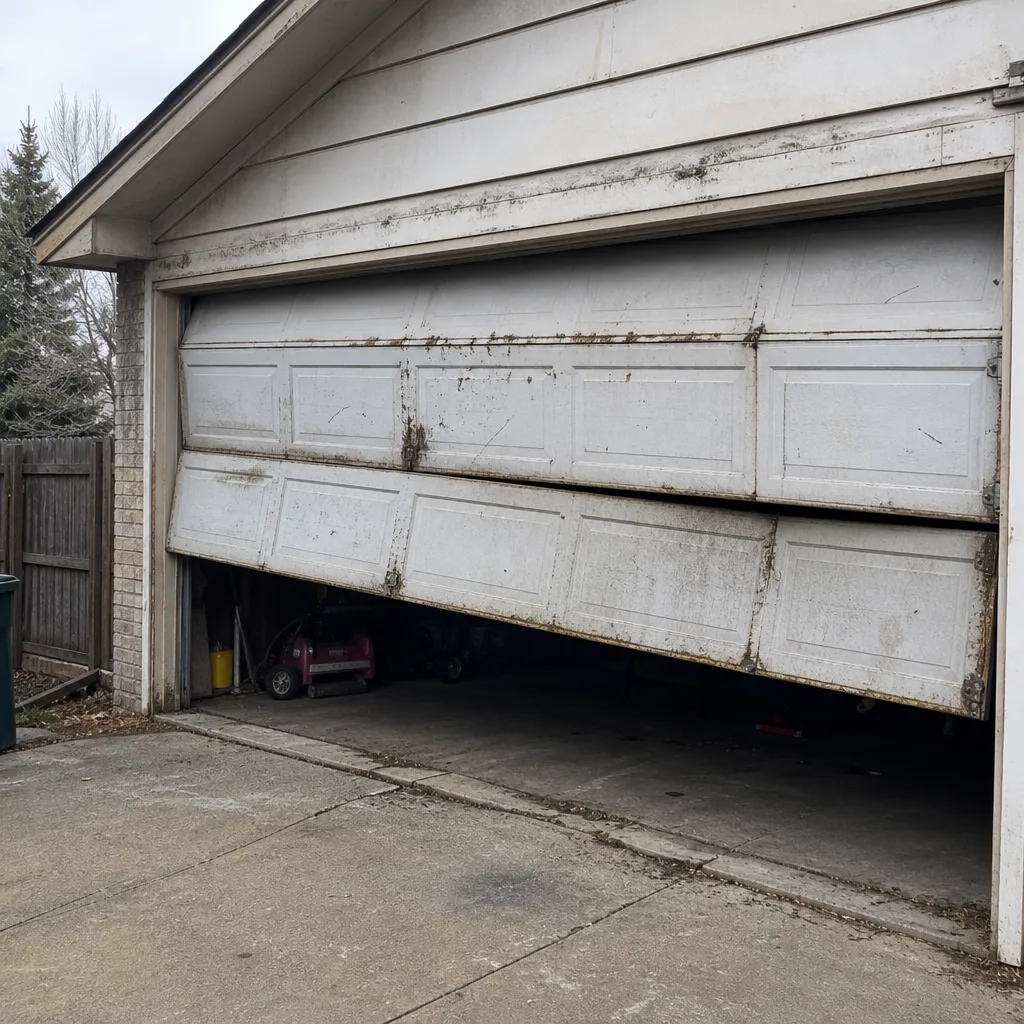 Before
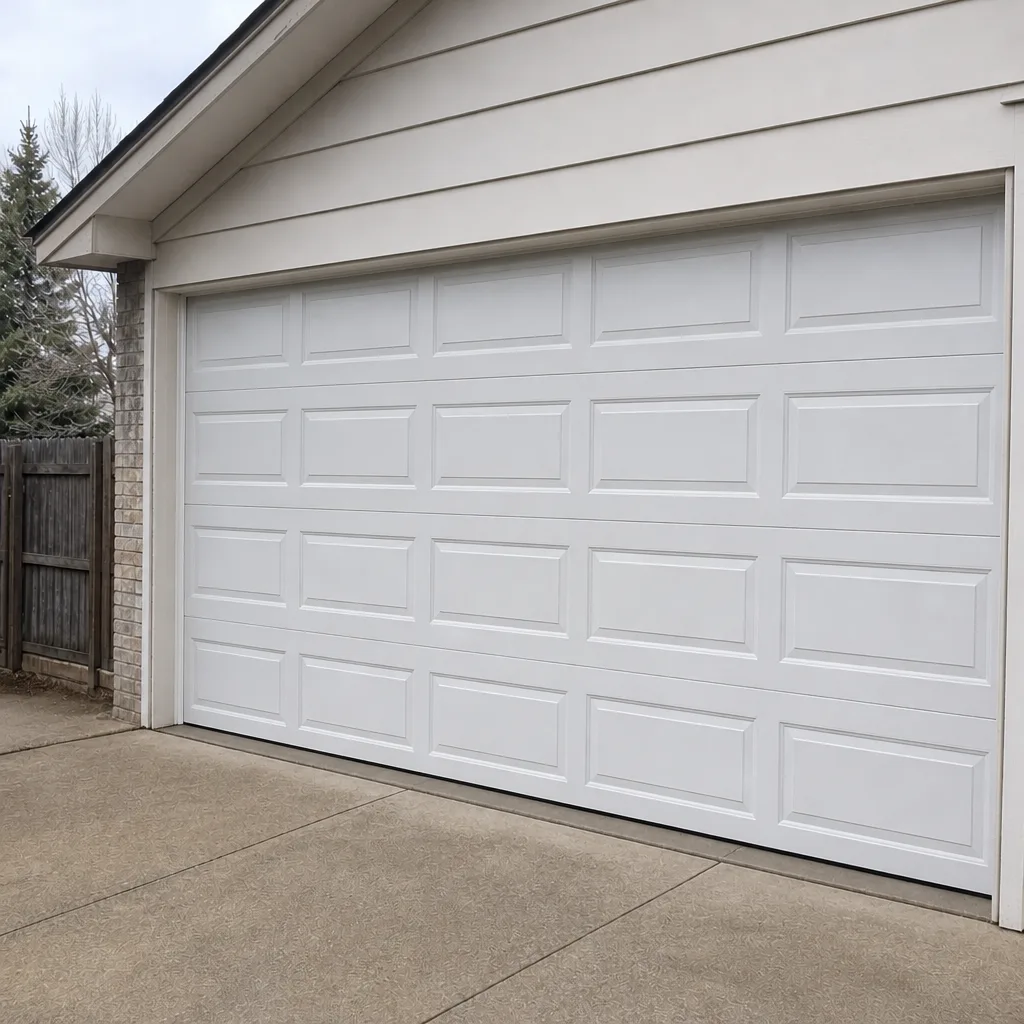 After
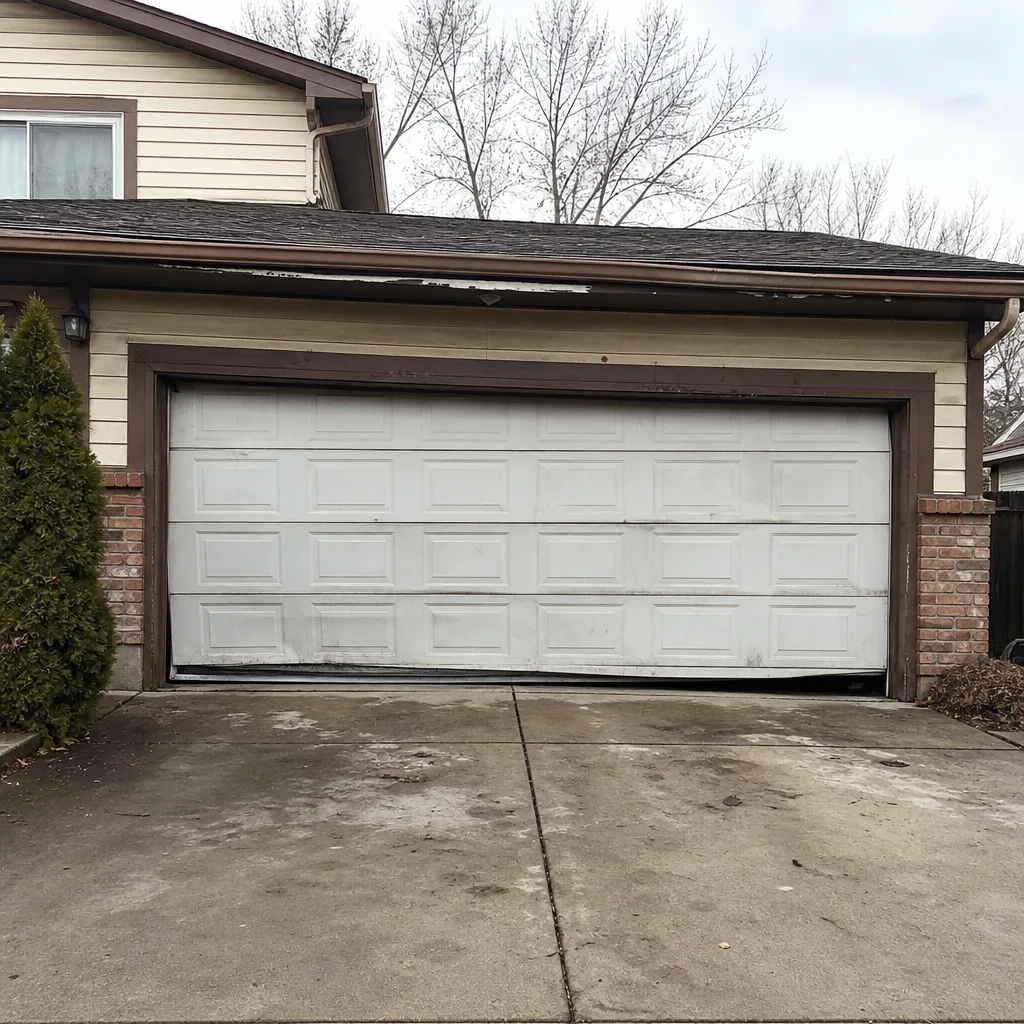 Before
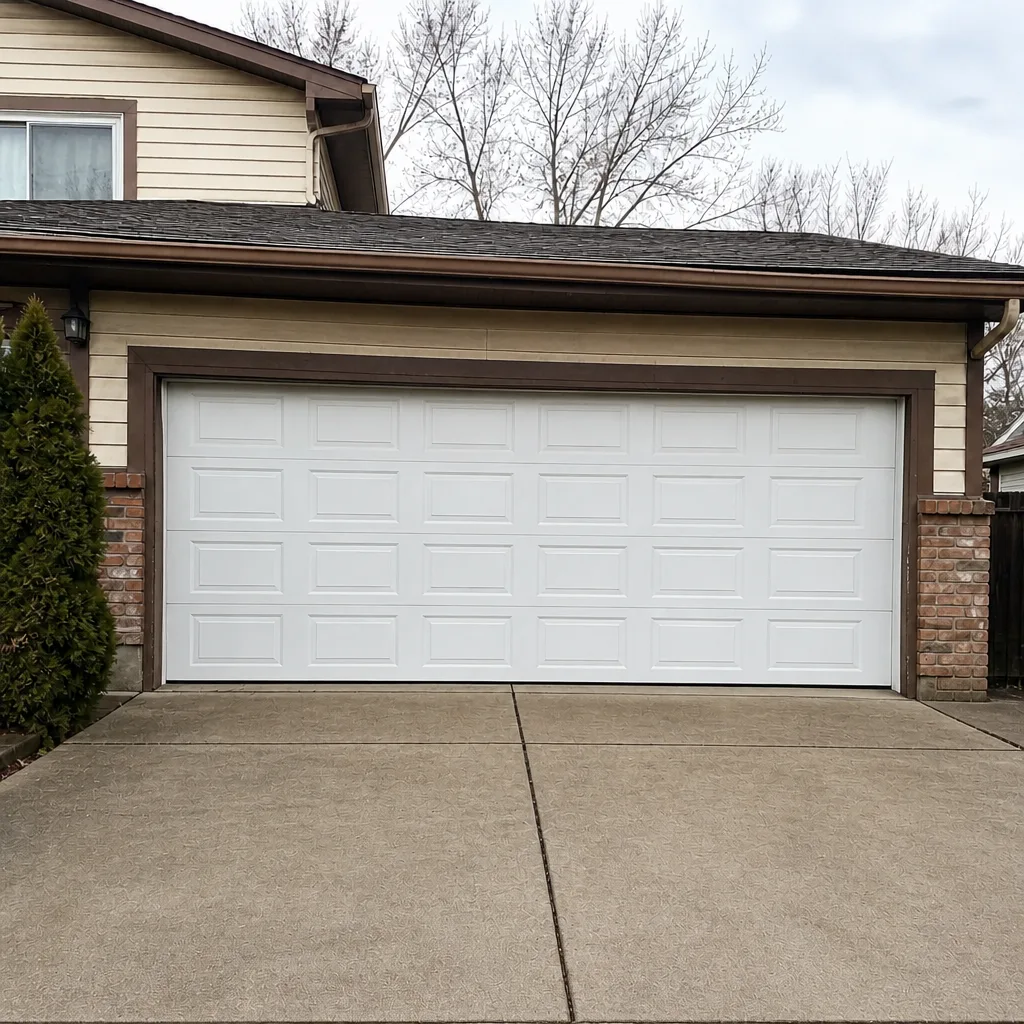 After
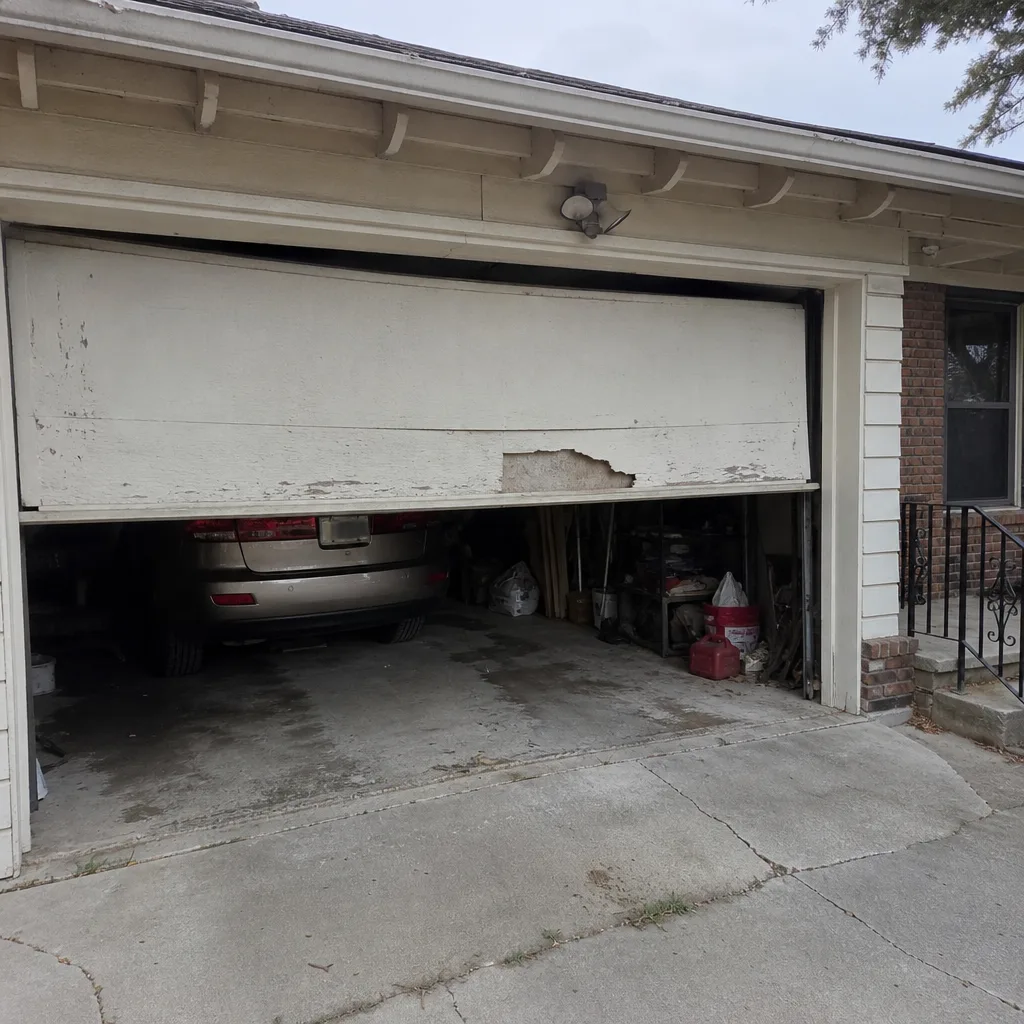 Before
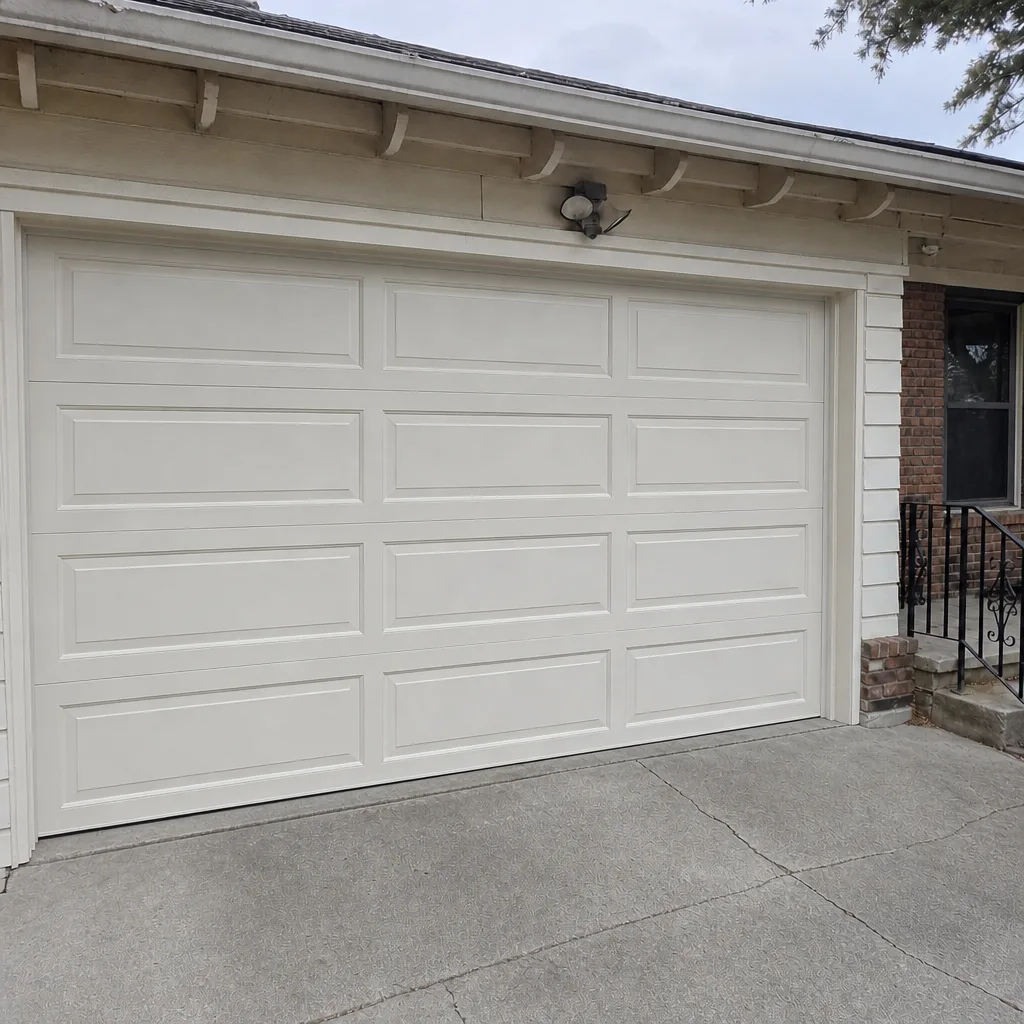 After
When to Call a Professional
Some warning signs are a maintenance note. Others are a service call. Call a specialist when you see any of these:
- Any stop-use sound (snap, pop, sharp scrape) from overhead or the side.
- A visibly broken spring or a spring with a clear coil gap.
- Frayed cables, uneven cable spooling, or a cable hanging slack.
- A door that reverses inconsistently, or a safety sensor test that fails or gives varying results.
- A door that’s suddenly much heavier to lift manually than it used to be.
- A door that’s already had the same symptom repaired more than once.
Garage Door Repair Dakota Ridge offers free estimates in Dakota Ridge. Call (855) 337-2081 to schedule – if the door can’t wait, emergency service is available, because a broken door is not always a Monday-morning problem.
Frequently Asked Questions
The earliest sign is often a subtle change in how heavy the door feels when you lift it manually with the opener disengaged, or a slight slowdown at the top of the travel. A coil gap of an inch or more is a later warning. If the spring has already snapped, the door may feel impossibly heavy – stop using it and call (855) 337-2081 for garage door spring repair.
Repair costs vary by the part and the failure, so we quote after we diagnose. The written estimate you receive is the price you pay – nothing changes after the work starts. Call (855) 337-2081 for a free estimate on your specific door.
In many cases, yes – same-day repair is one of our core services, and emergency garage door service is available when the door can’t wait. Call (855) 337-2081 and we’ll confirm what’s possible for your address. If the failure is on a weekend, we’re closed on Saturday, but we can schedule Sunday work.
That’s usually a stripped opener gear or a broken drive coupler, not a door problem. It means the motor is running but the drive isn’t transferring power. Stop trying to open it and call (855) 337-2081 – we work on LiftMaster, Chamberlain, Genie, Craftsman, and Raynor opener systems and can diagnose the actual cause rather than guess. If you need this handled, see our garage door opener repair page.
Once a year is a good baseline for a typical residential door, and twice a year in homes that run the door many times a day. The freeze-thaw cycles here are harder on springs and seals than a milder climate, so annual service catches fatigue before it becomes failure. Call (855) 337-2081 to schedule a service visit.
The local professionals we connect you with are licensed and insured as their state requires. Our technicians have up to 9 years of experience, and they’re trained on the actual system in front of them – whether it’s a LiftMaster opener, a Clopay door, or a Raynor track. Call (855) 337-2081 for a free estimate.
The Bottom Line
The warning signs that save the most money are the ones that show up before the door sounds bad. Uneven travel, a faint bounce, a new hum from the opener, a thin line of frost at the bottom seal – each is the first act of a repair that costs far less than the third act. Watch the movement, listen for the early quiet sounds, run the monthly sensor test, and treat any stop-use sound as a same-day call. Our technicians have up to 9 years of experience, we work on the major brands you already own, and if the door can’t wait, Garage Door Repair Dakota Ridge offers emergency service. Call (855) 337-2081 for a free estimate.
For a full walk-through of what a repair visit includes, see garage door repair – and for a full replacement when repairs stop making sense, garage door repair and installation both come from the same specialist team.
Written by the team at Garage Door Repair Dakota Ridge.