Last updated November 23, 2026
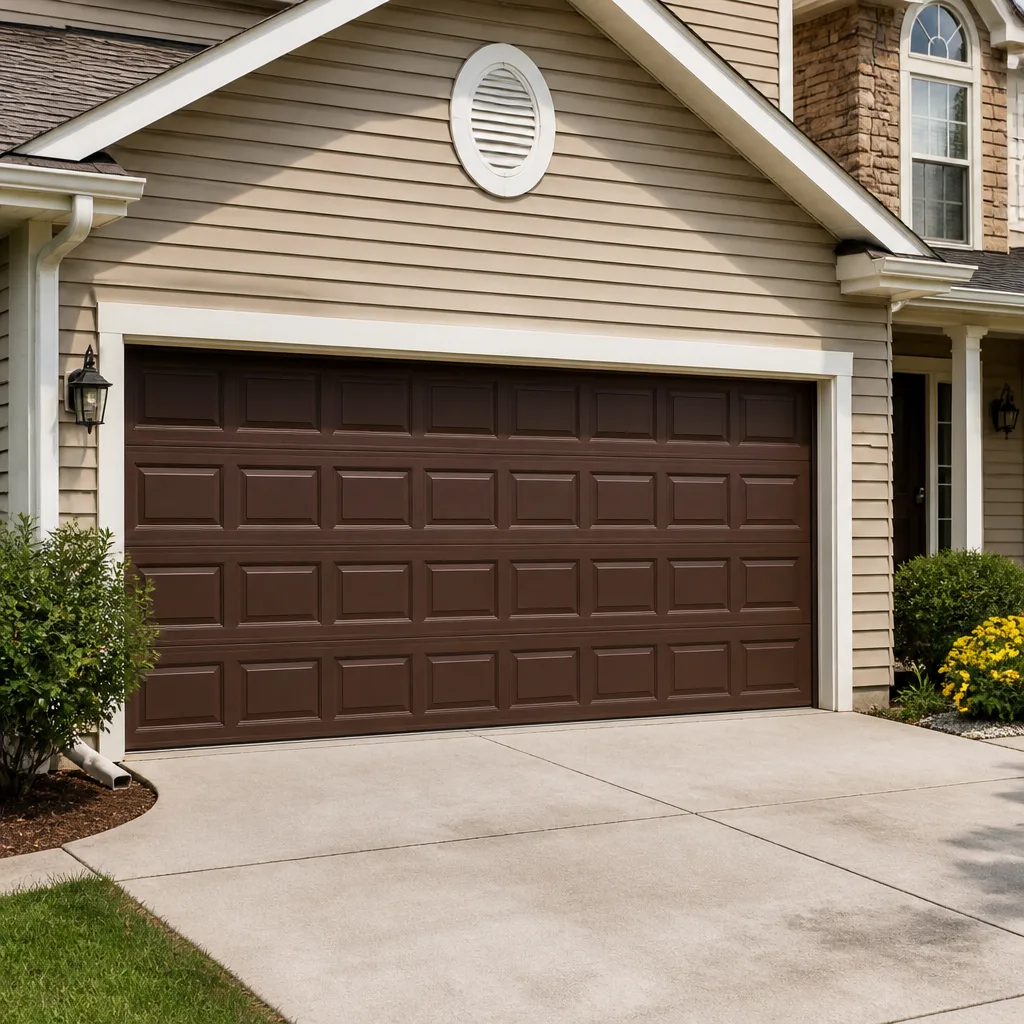 Raised-panel steel
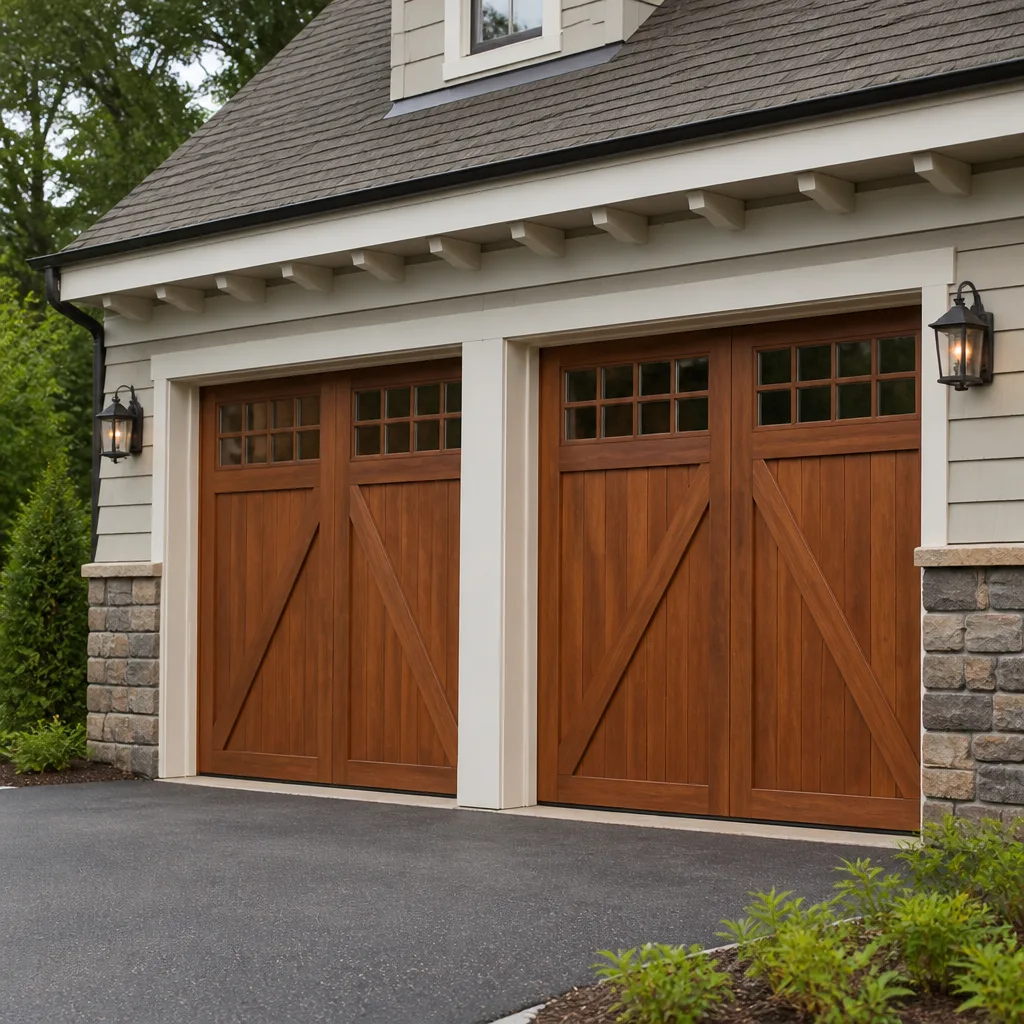 Carriage house
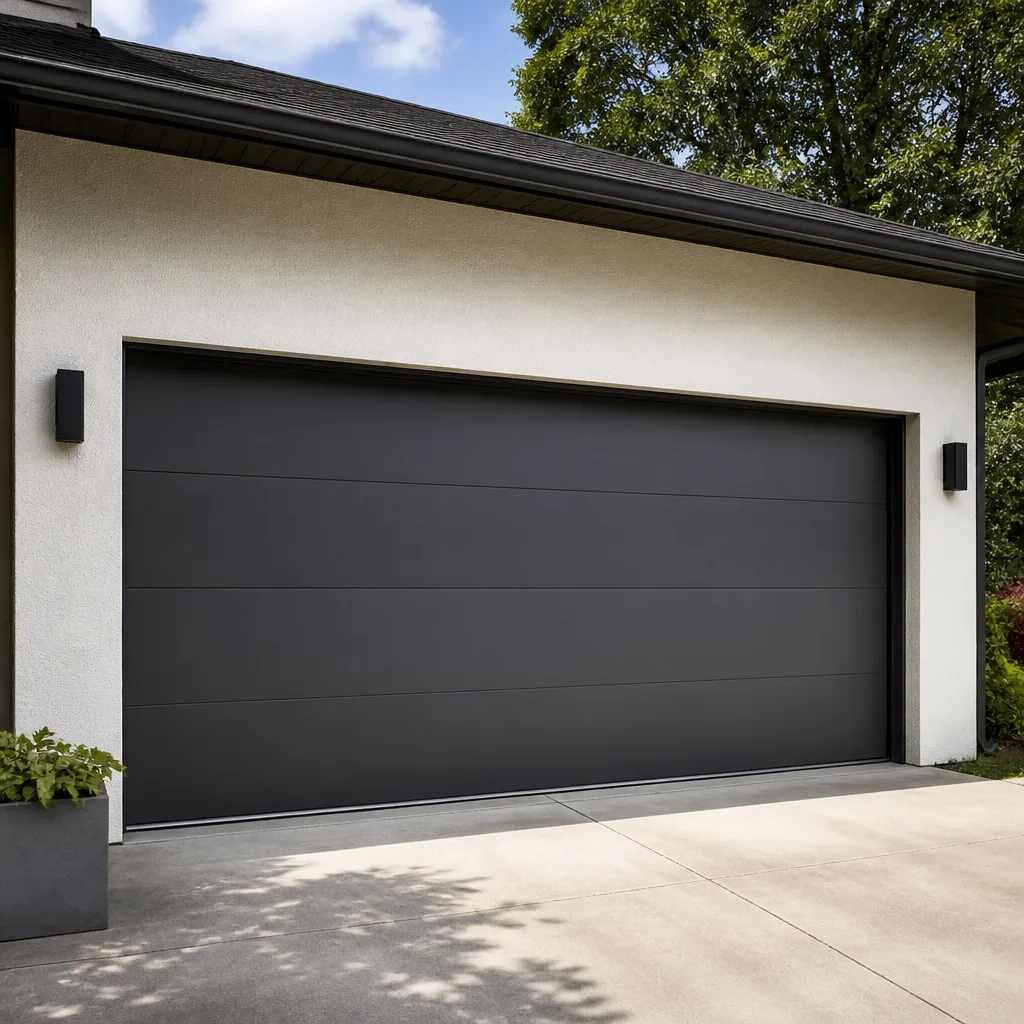 Modern flush
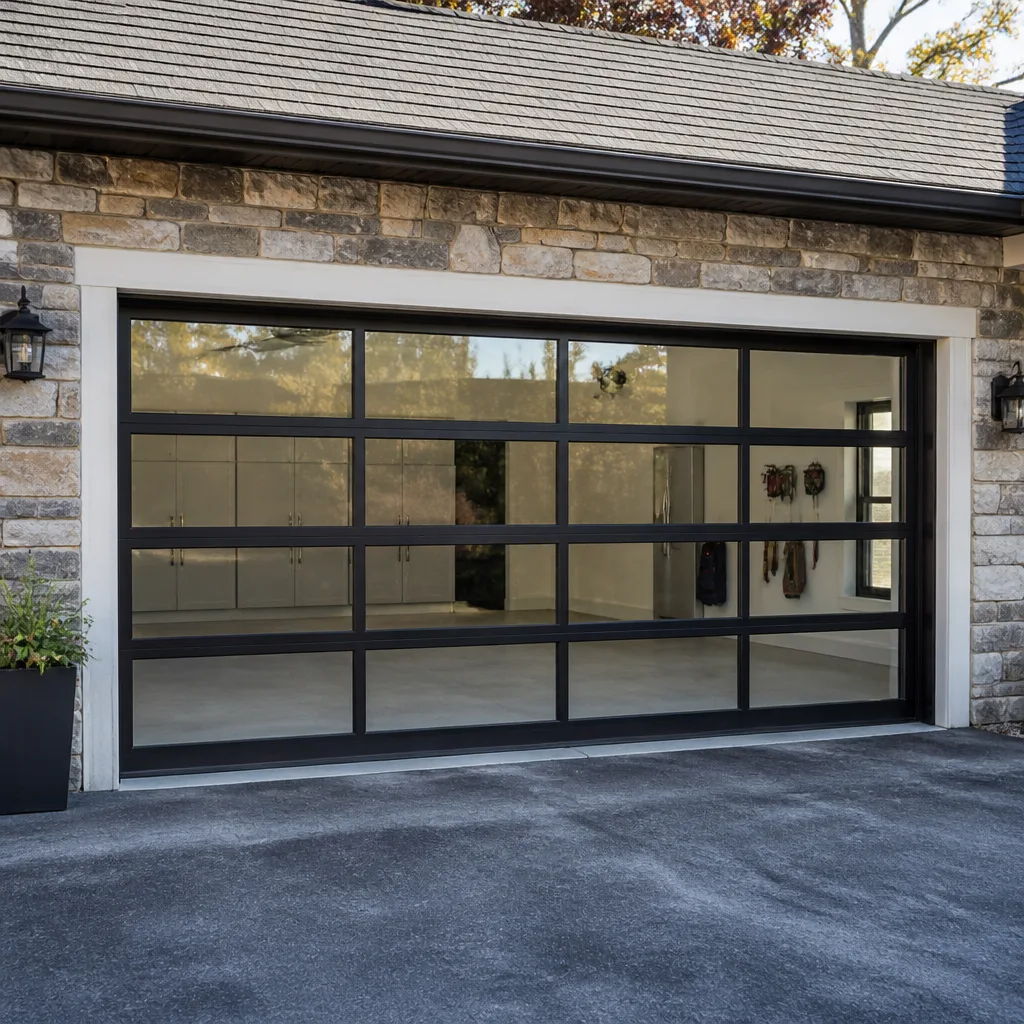 Full-view glass
 LiftMaster openers
 Chamberlain openers
Full 25-point door and opener safety check with every visit - springs, cables, rollers, tracks, and your LiftMaster or Chamberlain opener included
You get a price before we start. It does not change when the pro arrives.
Get your free estimateGarage Door Permits, Codes & Inspections in Dakota Ridge, CO: What You Need to Know
Most garage door work in Dakota Ridge doesn’t require a county permit. That’s the part homeowners get right. The part they get wrong is assuming it never does. In unincorporated Jefferson County, a straight swap of a door into the existing opening is generally treated as ordinary maintenance. But change the structural picture, add a new circuit for an opener, or cut into a rated wall, and the project shifts into permit territory quietly. This guide walks through where that line sits, how HOA rules stack on top of county code, what an inspector actually checks, and how to fix unpermitted work before it stalls a sale. We’ll keep it practical because that’s what Dakota Ridge homeowners actually need.
Quick Answer
A like-for-like garage door replacement in unincorporated Jefferson County typically does not require a building permit, but structural changes, new electrical circuits for an opener, and penetrations of a fire-rated wall usually do. Dakota Ridge is governed by Jefferson County building rules plus any HOA architectural standards that apply to the subdivision. When in doubt, confirm with the county building department before work starts, because the answer is project-specific and worth a phone call.
Styles & brands we work with
- Raised-panel steel
- Carriage house
- Modern flush
- Full-view glass
- LiftMaster openers
- Chamberlain openers
Table of Contents
- Where the permit threshold actually sits in Jefferson County
- What “like-for-like replacement” means and when it protects you
- New electrical circuits and opener installs
- Fire-rated walls and why penetrations matter
- How HOA architectural standards interact with county code
- The inspection process: what inspectors look at
- How to retroactively permit work done without one
- Common mistakes to avoid
Where the Permit Threshold Actually Sits in Jefferson County
Jefferson County building code treats a garage door replacement like other maintenance items when the door is put back into the same opening, at the same size, without changing the structure. That’s ordinary maintenance, and it doesn’t trigger a permit. The threshold moves when the work changes something the code cares about.
Here’s how it generally breaks down in unincorporated Jefferson County:
- Like-for-like door swap: No permit needed. Same opening, same width and height, same header structure.
- Changing the door size or opening: Permit required. Enlarging or shrinking the opening affects the header and framing, which is structural work.
- New electrical circuit for an opener: Permit required in most cases. A new dedicated circuit is electrical work governed by the electrical code, and it needs its own inspection.
- Penetrating a fire-rated wall: Permit required. The garage-to-house wall is required to be fire-rated, and any penetration has to be sealed and inspected.
- Structural repairs to the header or framing: Permit required. Anything that touches the load path over the door gets reviewed.
Dakota Ridge sits in unincorporated Jefferson County, not inside the city limits of Littleton or Lakewood. That matters because permit authority follows the county building department, not a municipal one. When you call to check, confirm you’re speaking with the Jefferson County department and describe the project in plain terms: door replacement, opener install, electrical, structural. The answer usually comes back clean.
What “Like-for-Like Replacement” Means and When It Protects You
Like-for-like replacement means the new door goes into the exact same opening with the exact same dimensions and the exact same structural framing as the old one. Nothing is being added, moved, or enlarged. When that’s true, the project is treated as maintenance and the county generally doesn’t require a permit.
The classification protects you in two ways. First, it keeps the project simple, which keeps the timeline short. Second, it means you aren’t creating a record problem for a future sale. A permit-free category is only valid if the work genuinely fits.
Here’s where like-for-like stops applying:
- The new door is a different width or height, even by a couple of inches.
- The old door is being replaced with a different track configuration that requires new mounting points.
- The header has to be modified because the old door was non-standard.
- An opener is being added to a door that didn’t have one, and a new circuit is run.
- The spring type is changing in a way that alters the mounting or the load path.
One of the reasons we emphasize this in Dakota Ridge is that older homes in the neighborhood can have non-standard openings. A homeowner who thinks they’re doing a like-for-like swap sometimes finds out the new Clopay or Amarr door they ordered needs a slightly different opening. That’s when the project crosses into permit territory and the schedule changes. Measure carefully and confirm the door will fit the opening before you buy.
If you’re not sure whether your project qualifies as like-for-like, this is a fair question for a garage door repair specialist who has handled the same setup before, and it’s a reasonable reason to have the door looked at rather than guessed at. A little inspection before the order saves a lot of headache after.
New Electrical Circuits and Opener Installs
A garage door opener that replaces an existing opener on an existing circuit is usually straightforward and often permit-free. An opener that requires a new dedicated circuit, a new outlet, or a panel change is electrical work, and that work is governed by the electrical code and inspected by the county.
This is where a fair number of unpermitted installations happen. A homeowner or a generalist adds an outlet or runs a new circuit for a LiftMaster opener, the door goes up, and the job looks done. It works fine until the house is sold and the buyer’s inspector sees an outlet with no permit record behind it.
For any new electrical work connected to a garage door system in Dakota Ridge, the sequence looks like this:
- Confirm whether a new circuit is actually needed or whether the existing one is adequate.
- Pull the electrical permit through Jefferson County before any wire goes in.
- Have the rough-in inspected before the drywall or wall finish closes the work in.
- Have the final electrical inspection done once the outlet or disconnect is installed.
- Test the opener and safety reverse after the electrical work passes.
If you’re installing a Genie or Chamberlain opener and the wiring is already present and up to code, you may be in the maintenance category. If the wiring is old, undersized, or missing, don’t skip the electrical step. It’s the most common place a project slides from no-permit to permit-required without the homeowner realizing it.
For help with the opener side of a project, our garage door opener repair team works on the actual system in front of them, not a generic guess. Whether it’s a LiftMaster, Chamberlain, or Genie unit, the diagnostic approach is the same.
Fire-Rated Walls and Why Penetrations Matter
The wall between an attached garage and a house is required to be fire-rated for a reason. A garage fire has to be slowed from reaching a bedroom. Any penetration of that wall, whether it’s a new mounting bracket, a new door track anchor, or an opener bracket, has to be sealed correctly and, in most cases, inspected.
Most like-for-like door swaps don’t touch the fire-rated wall. The existing brackets and track are reused. But some projects do cross that line:
- Replacing a sectional door with a different track that requires new wall anchors.
- Adding a second opener bracket on the fire-rated wall side.
- Relocating the door or the opener because the new unit is a different length.
- Repairing the header where the old door track anchor pulled loose.
When any of these apply in Dakota Ridge, treat the project as permit-required and plan for the inspection. The inspector’s job is to confirm the penetration is sealed with the appropriate fire-rated material and that the rating is intact. A quick call to the Jefferson County building department on the front end answers the question before any work starts.
How HOA Architectural Standards Interact with County Code
County code is the floor, not the ceiling. In Dakota Ridge, HOA architectural standards often sit above the county rules and can be stricter. A door that passes a Jefferson County inspection can still violate a subdivision’s architectural rules if the style, color, or material doesn’t match the community standard.
What HOAs in Dakota Ridge commonly review for garage door projects:
- Color palette: Approved neutrals, sometimes a specific set of manufacturer colors.
- Panel style: Raised-panel, carriage-house, or flush styles depending on the home’s architecture.
- Window configuration: Whether windows are allowed and in what pattern.
- Material and finish: Steel, wood-look, or aluminum, with specific finish requirements.
- View angle: Some standards address how the door reads from the street.
HOAs in Dakota Ridge and elsewhere in unincorporated Jefferson County typically require an architectural request, often with a manufacturer spec sheet or a photo of the proposed door. Some require the completed door to be approved before installation. A few require a neighbor signature or a board vote. The approach is to submit the request early, get written approval, and keep that approval in the file.
What this means practically: a Clopay or Wayne Dalton door that’s permit-free from the county’s angle can still be blocked by the HOA if it isn’t approved. Do both. Confirm the county angle, then submit to the HOA. The two processes don’t overlap in a way that lets one substitute for the other.
If you’re planning a full new installation, our garage door repair team can help you understand what a replacement involves before you go through HOA approval, so the project you submit is the project that actually fits your opening.
The Inspection Process: What Inspectors Actually Look At
A garage door project that requires a permit in Jefferson County gets inspected, and the inspection is usually shorter than homeowners expect. The inspector is verifying the specific things the permit was pulled for, not inspecting your whole garage.
What inspectors typically review on a permit-required garage door project:
- Structural work: Header, framing, and any load-path modifications to confirm the door opening is supported correctly.
- Fire-rated penetrations: Any penetration of the garage-to-house wall, with the sealing material and rating confirmed.
- Electrical rough-in: Wiring, box placement, and circuit protection before the wall finish goes back in.
- Electrical final: Once the outlet, disconnect, or opener connection is complete, the inspector verifies it’s live, grounded, and safe.
- Final door inspection: The door operates correctly, the safety reverse works, and any other code items tied to the permit are satisfied.
How to prepare in Dakota Ridge:
- Have the permit and any approved plans on hand at the door.
- Clear access to the garage, the wall being inspected, and the electrical panel.
- Make sure the door operates when the inspector is there.
- Have HOA approval available if it was part of the project.
- Know the sequence: rough-in first, then final. Don’t call for the final before the rough-in has passed.
Jefferson County inspectors are used to garage door projects and the inspection itself is generally brief when the work is done correctly. The slowdowns happen when the work doesn’t match what the permit describes, so the cleanest path is to pull the permit for exactly what you’re building and build exactly that.
How to Retroactively Permit Work Done Without a Permit
Work already completed without a permit can usually be brought into compliance through a retroactive permit process. It’s not the cheapest path, and it can add time, but it’s far better than discovering the issue during a buyer’s inspection or at a refinance.
How the process typically works in Jefferson County:
- Call the county building department and describe the work that was done: door replacement, opener install, electrical work, structural change.
- Apply for a permit for the work as it was actually done, not as it would have been done if planned.
- Schedule an inspection and disclose what was done. Inspectors evaluate what’s in front of them, not what should have been.
- Correct any issues the inspection flags, which may include electrical corrections, fire-rated sealing, or structural remediation.
- Receive the final approval and keep the paperwork with your home records for the next sale.
A few practical notes. The cost of a retroactive permit is typically higher than the original permit would have been, and the corrections required can add cost on top of that. The timeline is usually longer than a standard permit because the project has to be re-inspected as-built. It’s almost always easier to have the original project inspected correctly the first time, and if you’re buying or selling a home in Dakota Ridge, ask for the permit records on any recent garage door work.
If you’re not sure whether an existing installation is compliant, a specialist can inspect the door, opener, and electrical connections and tell you what’s likely to flag. Our Garage Door Repair Dakota Ridge team handles this kind of pre-sale assessment regularly.
Common Mistakes to Avoid
- Assuming every door replacement is permit-free. A door into the same opening usually is. A door that changes size, header, or fire-rated wall penetrations usually isn’t. Confirm before you order.
- Adding an opener circuit without an electrical permit. A new dedicated circuit is electrical work and it gets inspected. Skipping this is the most common way an unpermitted project surfaces at resale.
- Forgetting the HOA on top of the county. A door that passes the county inspection can still fail an HOA architectural review. Both approvals need to be in place, and they’re separate processes.
- Not sealing fire-rated wall penetrations correctly. New brackets and track anchors through the garage-to-house wall need the correct fire-rated sealing. This is a code item the inspector will look at.
- Treating like-for-like as a blank check. Like-for-like only protects you if the new door genuinely matches the old opening dimension for dimension. A near-match isn’t a match.
- Waiting until a sale to address unpermitted work. Retroactive permitting adds cost, time, and inspection corrections. Discovering the problem mid-negotiation is the worst version of this.
- Skipping the safety reverse check after any electrical work. Once the opener is wired and powered, verify the safety reverse works. It’s a simple test and it should never be skipped.
Springs are a separate conversation. A torsion or extension spring is under extreme tension, and mistakes there cause serious injury. If a spring ever breaks, don’t attempt it yourself. Our garage door spring repair team treats it as a dedicated, safety-critical service for exactly that reason. For a general sense of what repair involves beyond the permit question, our garage door repair specialists work on the actual system in front of them.
When to Call a Professional
Some garage door jobs are genuinely seasonal maintenance. Others need a trained eye on the first call. Call a professional when the door has fallen out of balance, when the spring has broken, when an opener cycles without lifting the door or reverses for no reason, when the door has come off the track, or when the project is a full replacement and you want a measurement you can trust before you order. Also call when you’re not sure whether the work you’re planning crosses the permit line. A specialist who has done the same install in Dakota Ridge can usually tell you in plain terms. Garage Door Repair Dakota Ridge offers free estimates in Dakota Ridge. Call (855) 337-2081 to schedule.
See the difference
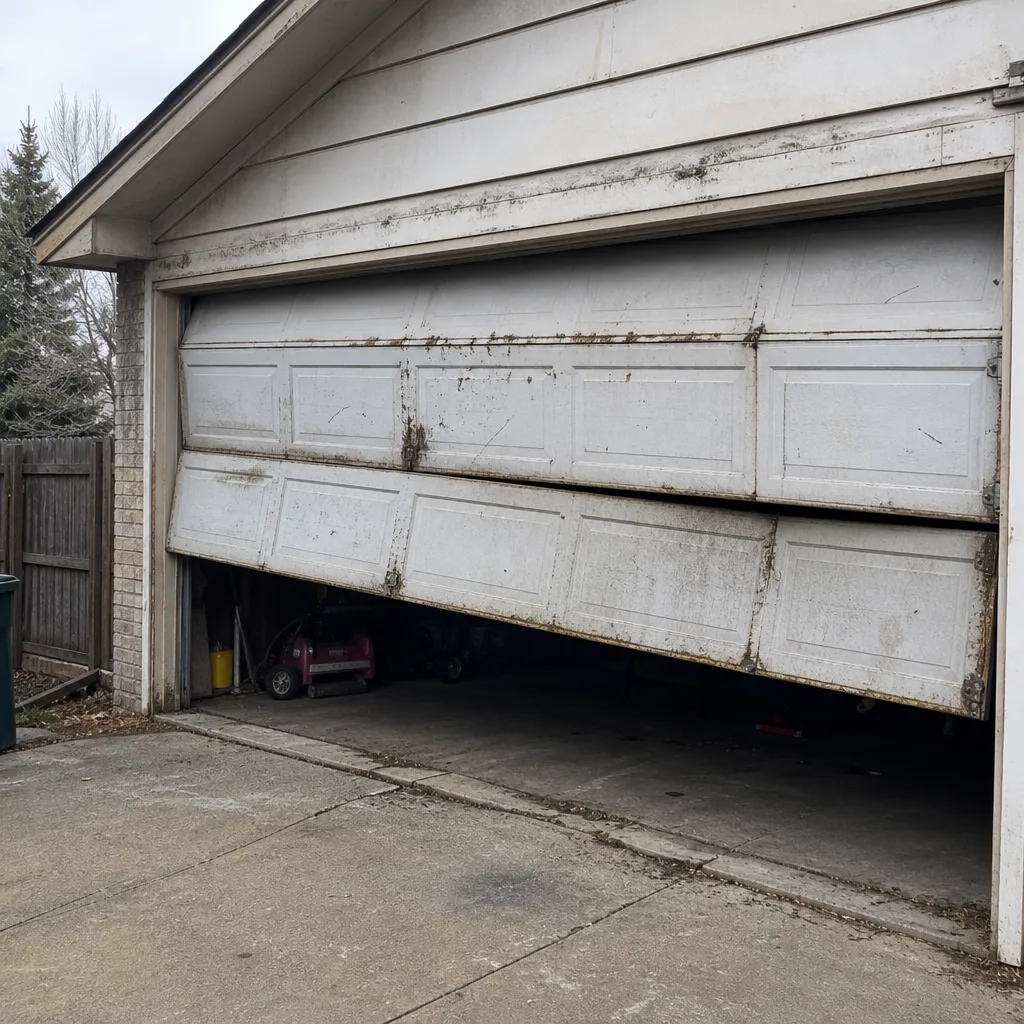 Before
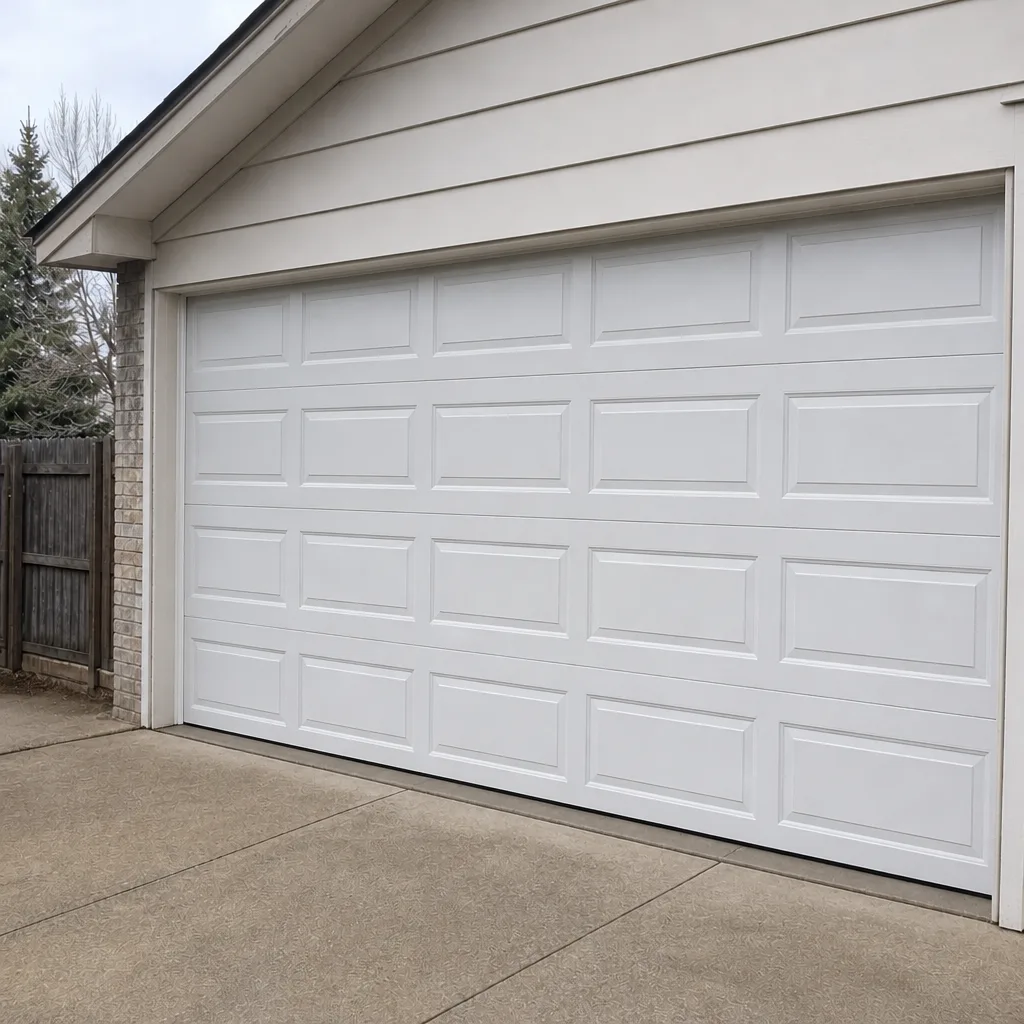 After
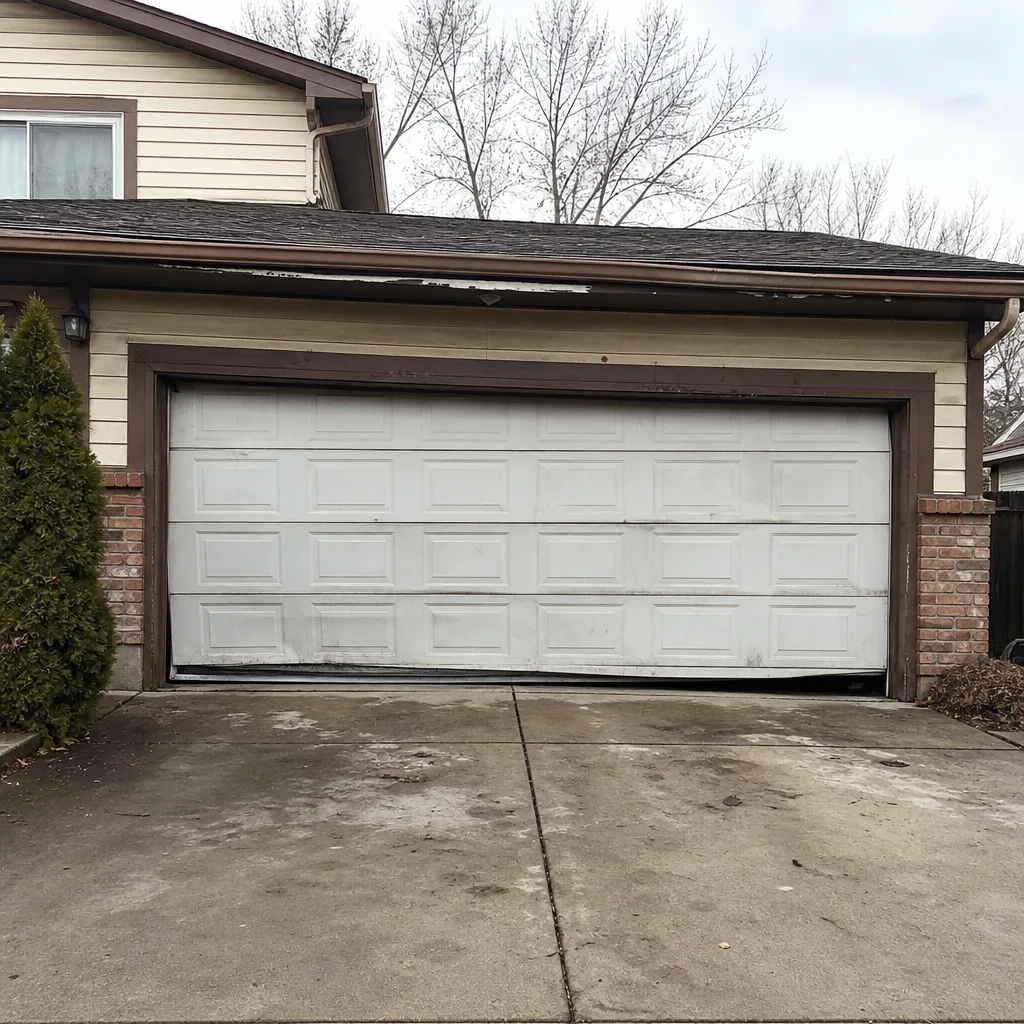 Before
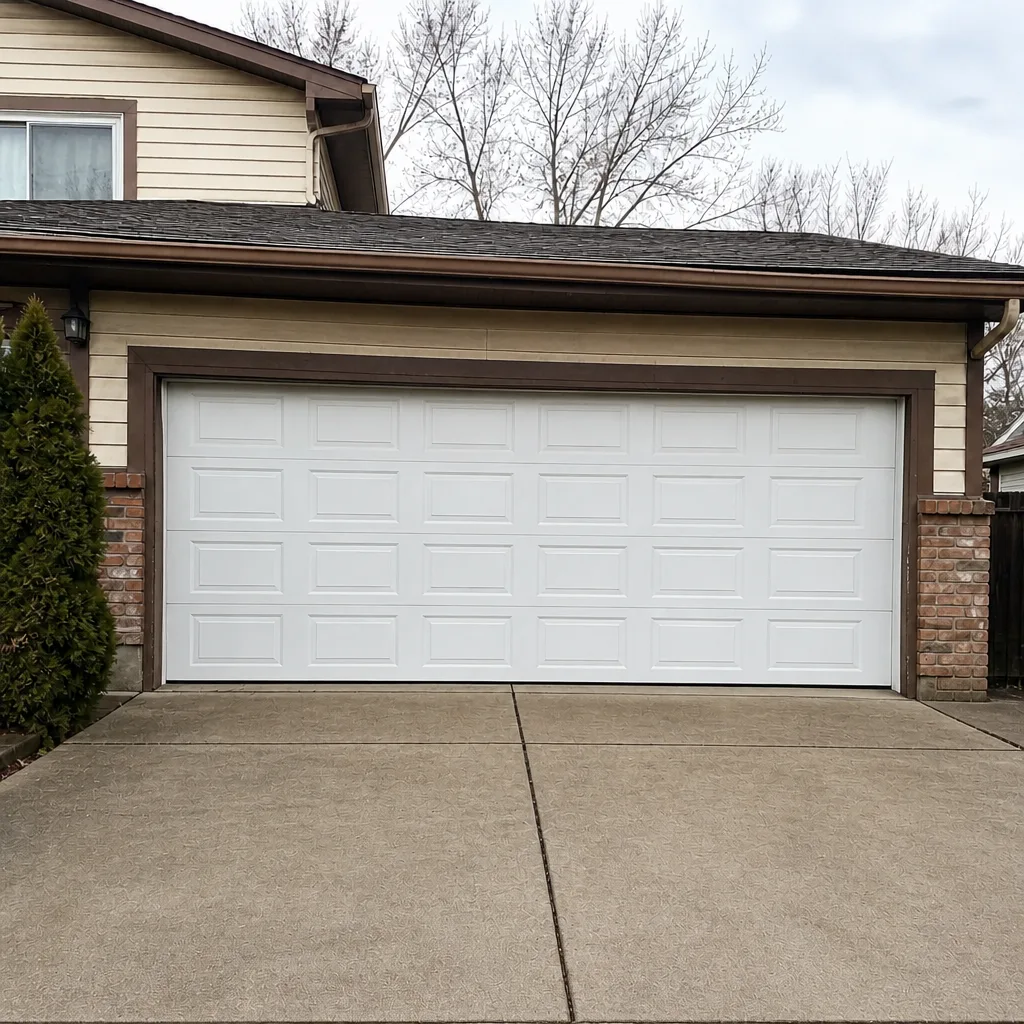 After
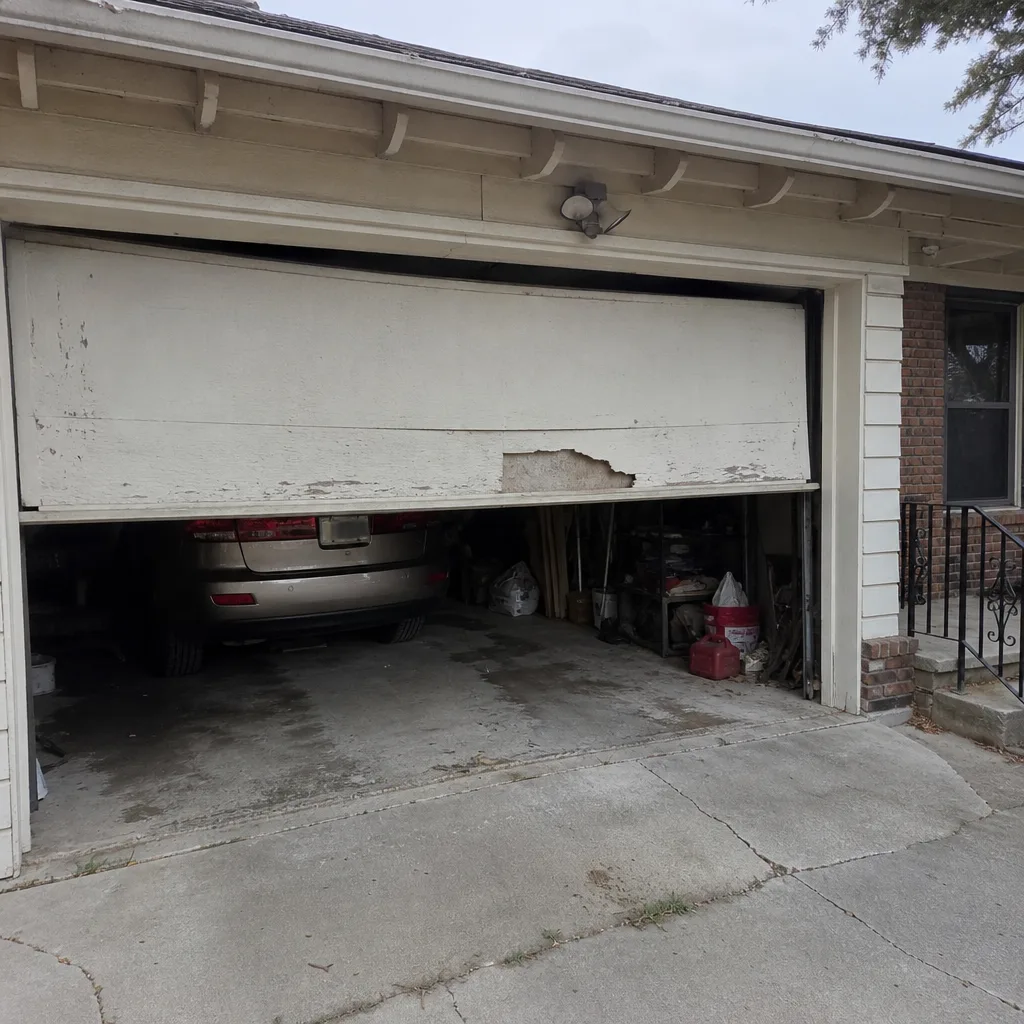 Before
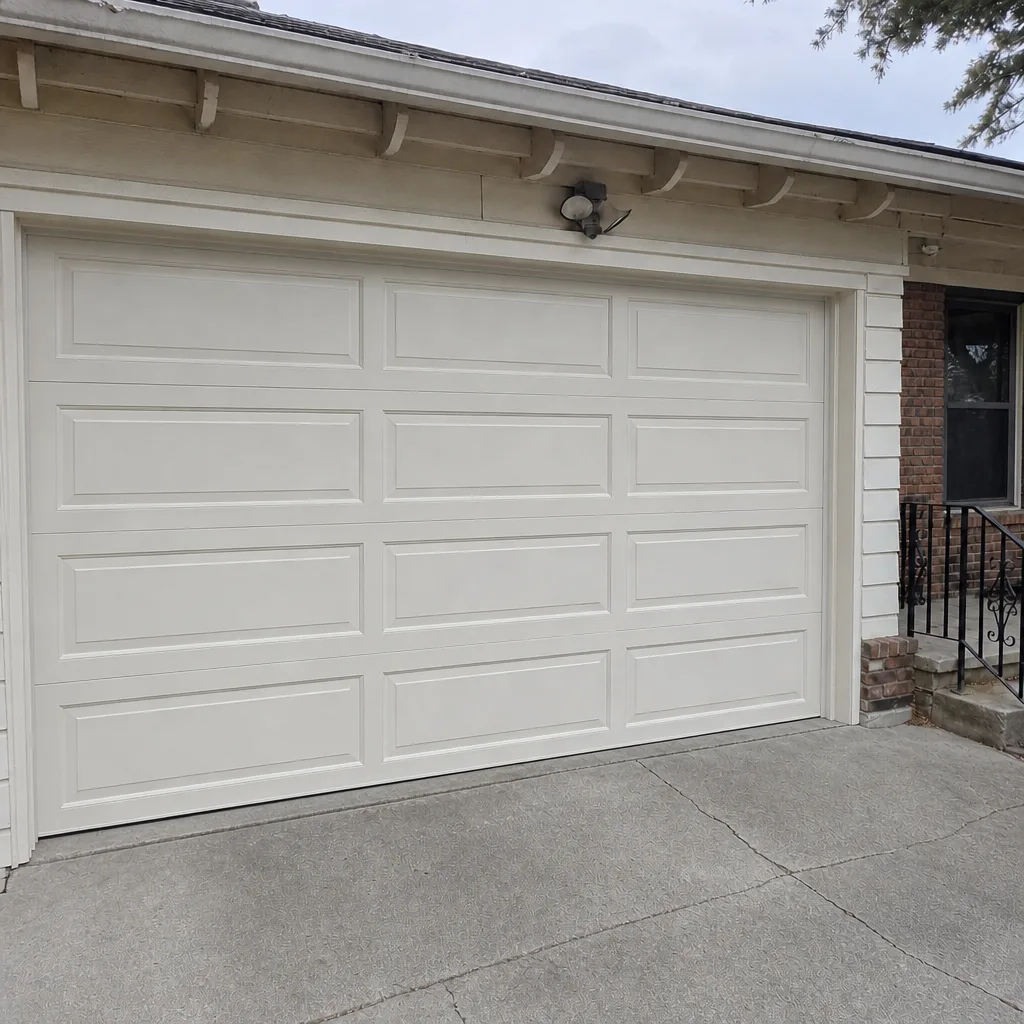 After
Frequently Asked Questions
Usually no, as long as the new door goes into the same opening at the same size and doesn’t change the structure, electrical, or fire-rated wall. If any of those change, a Jefferson County permit is typically required. Confirm with the county building department before ordering. Call (855) 337-2081 for a free estimate if you want the work assessed first.
Yes. An HOA architectural request and a Jefferson County building permit are separate approvals, and you generally need both when the HOA’s standards apply. A door can pass the county inspection and still fail an HOA architectural review if the color, panel style, or material doesn’t match the community standard. Submit both early. Call (855) 337-2081 if you need help choosing a door that fits HOA requirements.
Like-for-like means the new door goes into the same opening, at the same dimensions, with the same structural framing, and doesn’t change the header, the electrical, or the fire-rated wall. When it fits that definition, the project is usually maintenance and permit-free. When any of those elements change, it’s not like-for-like. Call (855) 337-2081 for a free estimate and a measurement to confirm.
Retroactive permitting is the path. Call Jefferson County, describe the work as it was actually done, apply for a permit, and schedule an inspection. Corrections may be required, which adds cost and time. It’s more work than pulling the permit originally, and it’s still far better than discovering the issue at a buyer’s inspection. Call (855) 337-2081 to have the installation assessed first.
Usually yes. A new dedicated circuit, a new outlet, or a panel change is electrical work, and it’s inspected separately from the door itself. Replacing an opener on an existing circuit is typically simpler and may not need a permit. Confirm with Jefferson County before running wire. Call (855) 337-2081 for opener diagnosis or repair.
No. Torsion and extension springs are under extreme tension and can cause serious injury when they fail or when they’re handled incorrectly. This is a job for a trained technician, not a DIY workaround. Our spring repair is handled as a safety-critical service. Call (855) 337-2081 for same-day spring repair.
The Bottom Line
Most like-for-like garage door replacements in unincorporated Jefferson County don’t require a permit, and that’s fine. The projects that do require one, structural changes, new electrical circuits, fire-rated wall penetrations, and anything that changes the door opening, are specific and worth taking seriously. HOA review in Dakota Ridge sits on top of the county rules, so both approvals need to be in place when they apply. And if work has already been done without a permit, retroactive permitting is the path. A little research before the project saves a lot of negotiation during a sale.
Frequently Asked Questions About Emergency and Same-Day Service
Usually yes. If a door has come off its track, a spring has broken, or an opener has failed and the door can’t be secured, call (855) 337-2081 and we’ll get you scheduled as quickly as we can. Emergency garage door service is a real offering for exactly these situations. Call for availability.
A broken spring usually means the door is unusable, and in many cases the door can’t be safely raised by hand. If the door is stuck, or if the safety of the garage is affected, treat it as urgent. Call (855) 337-2081 and we’ll talk through what’s happened and schedule the right visit.
No. We quote the price before work starts, and that written estimate is the price. The estimate is based on what the technician finds on the first visit and confirmed in writing before anything is touched. Call (855) 337-2081 for a free estimate.
The local professionals we connect you with are licensed and insured as their state requires, and they work as a single-trade garage door specialist, not a generalist splitting attention across trades. Our technicians have up to 9 years of experience and are trained on LiftMaster, Chamberlain, Genie, Clopay, Amarr, Wayne Dalton, Craftsman, and Raynor systems. Call (855) 337-2081 to schedule.
In most cases yes. Our technicians are trained and experienced on eight major brands, including LiftMaster, Chamberlain, Genie, Clopay, Amarr, Wayne Dalton, Craftsman, and Raynor. That means we work on the actual system in front of us, not a generic guess. Call (855) 337-2081 for a free estimate.
Often yes. A garage door repair, an opener repair, and spring repair can usually be assessed and addressed together when they’re on the same door. If a full replacement is needed instead of a repair, that’s a separate scheduled project with a free measure and a written price. Call (855) 337-2081 to talk through what you need.
Ready to get your garage door situation sorted? Call (855) 337-2081 for a free estimate. Whether you need a repair today, an opener diagnosed, a spring replaced, or a full new door measured and priced, we’ll give you a clear answer and a written price before any work begins.
Written by the team at Garage Door Repair Dakota Ridge.